
Fracaso - Deterioro
Descubre cómo los modismos en inglés como "on the ropes" y "fan the flames" se relacionan con el deterioro en inglés.
Revisión
Tarjetas de memoria
Cuestionario

to intensify a disagreement or argument

echar leña al fuego, agravar aún más la situación
No eches leña al fuego durante la discusión.

to worsen a bad situation by doing or saying something hurtful or disrespectful, in addition to the harm that has already been caused
echar sal a la herida, agravar la situación
Se olvidó de mi cumpleaños y, para colmo, hizo una broma al respecto.

to worsen a bad, unpleasant, or dangerous situation for someone or something
echar leña al fuego, avivar el conflicto
Los comentarios duros avivaron la tensión entre los dos grupos.
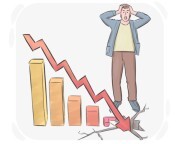
to rapidly and irreversibly deteriorate or decline in a manner that is likely to result in a bad outcome or failure
irse al garete, venirse abajo
Sin buen mantenimiento, el edificio viejo se vino abajo rápidamente.

to deteriorate or decline significantly
venirse abajo, irse a pique
El hotel antes era elegante, pero ahora se ha venido abajo.
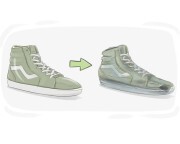
to be in a very poor condition, particularly compared to the past
en mal estado, bastante deteriorado
Su coche está en mal estado, así que evita los viajes largos.

to unintentionally do something that harms oneself or one's own interests
tirarse piedras a su tejado, hacerse daño a sí mismo
Se perjudicó a sí misma cuando criticó a su propio equipo en la entrevista.

a situation in which one gets affected by two unpleasant or unfortunate events that happen at once
doble golpe, doble desgracia
La tormenta y el apagón fueron un doble golpe para el pueblo.
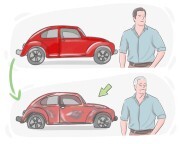
in a very poor condition or near the end of their lifespan or usefulness
en las últimas, a punto de acabar
Tras años de abandono, el viejo puente está en las últimas.

very likely to be defeated or completely fail
contra las cuerdas, al borde del fracaso
Tras el último escándalo, su campaña está contra las cuerdas.

used when one moves from a bad situation into a worse one
salir de Guatemala y meterse en Guatepeor, ir de mal en peor
Se libró de un mal trato solo para firmar uno peor; salió de Guatemala y se metió en Guatepeor.
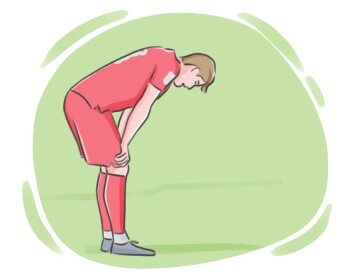
used to describe someone who is really tired after an exhaustive physical activity
hecho polvo, reventado
Al final del maratón, hasta los corredores más fuertes estaban reventados.

used to indicate that a situation is about to become tense, difficult, or critical
se pone fea la cosa, la situación se complica
La sala quedó en silencio; todos sabían que la cosa estaba a punto de ponerse fea.
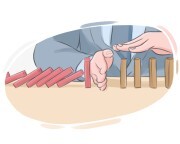
to suddenly and completely stop, often in a dramatic or unexpected manner, implying a sense of frustration, disappointment, or failure
quedarse completamente parado, frenarse en seco
Nuestros planes se frenaron en seco cuando cerraron el aeropuerto.

a situation, organization, or plan that seems likely to fail
to suddenly become worse
to barely keep a situation from falling apart
to suddenly become much worse
to exhaust or harm oneself by working or training too hard
to seem to lose progress or move away from improvement

to slowly come to a complete stop after gradually losing speed or power
irse parando poco a poco, perder impulso y detenerse
La economía se fue parando poco a poco mientras cerraban fábricas y caía el gasto.

to become ruined or destroyed, often due to a person's own actions or neglect
irse al diablo, echarse a perder
Sin el cuidado adecuado, el viejo jardín pronto se echó a perder.
