
Neúspěch - Zhoršení
Objevte, jak anglické idiomy jako "on the ropes" a "fan the flames" souvisí s úpadkem v angličtině.
Revize
Kartičky
Kvíz

to intensify a disagreement or argument

přilévat olej do ohně, zhoršit už napjatou situaci
Jeho poznámka jen přilila olej do ohně.

to worsen a bad situation by doing or saying something hurtful or disrespectful, in addition to the harm that has already been caused
ještě přilít olej do ohně, zhoršit už tak špatnou situaci
Manažer ho vyhodil a ještě ho přede všemi obvinil, čímž mu jen přisypal sůl do rány.

to worsen a bad, unpleasant, or dangerous situation for someone or something
přilévat olej do ohně, zhoršit situaci
Nová politika ještě víc rozdmýchala veřejný hněv.
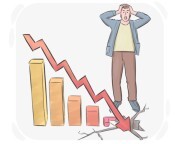
to rapidly and irreversibly deteriorate or decline in a manner that is likely to result in a bad outcome or failure
jít úplně ke dnu, rychle se hroutit
Lidé měli pocit, že město jde úplně ke dnu.

to deteriorate or decline significantly
jít ke dnu, upadat
Jestli přestaneme investovat do oprav, celé místo půjde ke dnu.
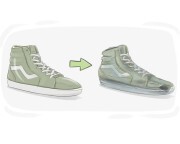
to be in a very poor condition, particularly compared to the past
v bídném stavu, ve špatné kondici
Náměstí je v bídném stavu, s popraskanou dlažbou a prázdnými obchody.

to unintentionally do something that harms oneself or one's own interests
sám sobě uškodit, jednat proti sobě
Tím, že lhal v životopise, sám sobě uškodit.

a situation in which one gets affected by two unpleasant or unfortunate events that happen at once
dvojitá rána, dvě rány najednou
Dostala dvojitou ránu: zrušili jí let a ztratili zavazadla.
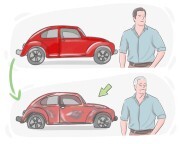
in a very poor condition or near the end of their lifespan or usefulness
mele z posledního, má namále
Na konci zápasu tým vypadal, že mele z posledního.

very likely to be defeated or completely fail
na pokraji porážky, ve vážných potížích
Bez nouzového financování bude charita do zimy na pokraji krachu.

used when one moves from a bad situation into a worse one
z bláta do louže, z horšího do ještě horšího
Záchranná půjčka vypadala užitečně, ale nová úroková sazba je dostala z bláta do louže.
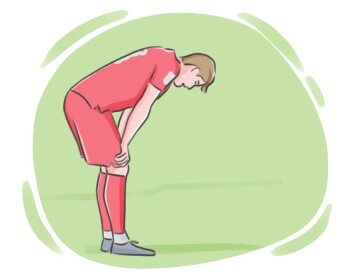
used to describe someone who is really tired after an exhaustive physical activity
úplně vyřízený, utahaný
Po vynesení těch krabic nahoru jsem byl úplně vyřízený.

used to indicate that a situation is about to become tense, difficult, or critical
jde do tuhého, situace se vyhrotí
Po oznámení ředitele měli všichni pocit, že jde do tuhého.
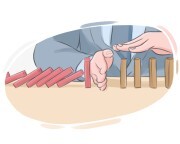
to suddenly and completely stop, often in a dramatic or unexpected manner, implying a sense of frustration, disappointment, or failure
úplně se zastavit, náhle uvíznout
Výroba se úplně zastavila, když se porouchal hlavní stroj.

a situation, organization, or plan that seems likely to fail
to suddenly become worse
to barely keep a situation from falling apart
to exhaust or harm oneself by working or training too hard
to seem to lose progress or move away from improvement

to slowly come to a complete stop after gradually losing speed or power
postupně se zastavit, ztratit tempo a ustat
Práce na novém webu se po odchodu vývojáře postupně zastavila.

to become ruined or destroyed, often due to a person's own actions or neglect
jít do háje, zničit se
Odmítáním spolupráce nechali celý plán jít do háje.
