
Humanités ACT - Littérature et Culture
Apprenez le vocabulaire des sciences humaines de l'ACT pour la littérature et la culture, y compris les genres, les traditions, l'identité, les coutumes, l'interprétation et les façons dont les sociétés expriment des idées et des valeurs.
Réviser
Flashcards
Orthographe
Quiz

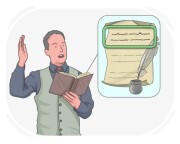
a series of lines in a poem, usually with recurring rhyme scheme and meter

strophe
La strophe a établi l'ambiance pour le reste du poème.

a verse of Italian origin that has 14 lines, usually in an iambic pentameter and a prescribed rhyme scheme
sonnet
Le schéma de rimes et le mètre du sonnet ont démontré la compétence technique du poète.
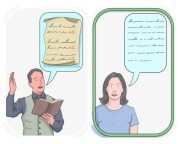
spoken or written language in its usual form, in contrast to poetry
prose
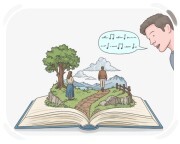
a tale that is narrated in the form of a song or poem
ballade
a literary and rhetorical device that involves repeating words or phrases in successive clauses or sentences, but in reverse order
antimétabole, chiasme
a literary device where human qualities or characteristics are attributed to non-human entities, objects, or ideas
personnification
Son essai a analysé la personnification de l'espoir dans le dernier chapitre du roman.
a statement that implies or indirectly mentions something or someone else, especially as a literary device
allusion
Le titre du roman, "Le Meilleur des mondes", est une allusion à "La Tempête" de Shakespeare, suggérant des thèmes d'exploration et de découverte.
(of a story, play, image, etc.) using characters or events in a symbolic sense that represent a concept, quality, etc.
allégorique
a clever or amusing use of words that takes advantage of the multiple meanings or interpretations that it has
jeu de mots, calembour
Le comédien est connu pour son utilisation de jeu de mots dans son spectacle.

a figure of speech in which a word or expression is used to describe something by implying a comparison with something else
métaphore
a word or phrase that compares two things or people, highlighting the similarities, often introduced by 'like' or 'as'
comparaison
Dans le roman, l'auteur utilise une comparaison pour décrire le cœur du protagoniste qui bat "comme un train fou", traduisant ainsi l'intensité de ses émotions.
a form of humor in which the words that someone says mean the opposite, producing an emphatic effect
ironie
a written account of the writer's own life experiences or of a particular period in their life
mémoire, autobiographie

the story of the life of a person, written by the same person
autobiographie
Son autobiographie détaillait ses luttes et ses triomphes tout au long de sa carrière.
a book that combines illustrations and storytelling to convey a narrative, often in a sequential art format
bande dessinée
Le roman graphique a été salué pour ses illustrations époustouflantes et son récit captivant.
a collection of selected writings by various authors, often on a similar theme or subject
anthologie
Elle a aimé lire l'anthologie de nouvelles d'écrivains émergents.
the original written version of a book, article, or other work before it is published
manuscrit, tapuscrit
intending to mock, ridicule, or criticize a person, group, or society in a humorous or exaggerated way
satirique, ironique
Le dessinateur est célèbre pour ses dessins satiriques.
a roll of parchment, paper, or other material containing writing or images, often used for historical or religious texts
parchemin, rouleau
(grammar) a phrase or word used suddenly to express a particular emotion
interjection
Elle a utilisé le mot interjection dans sa dissertation en anglais pour démontrer sa compréhension de la grammaire.
the quality or character of speech, writing, or behavior that reflects the speaker's or writer's attitude
registre
a recognized collection of authoritative books, texts, or works within a particular field or tradition, especially in religion
canon
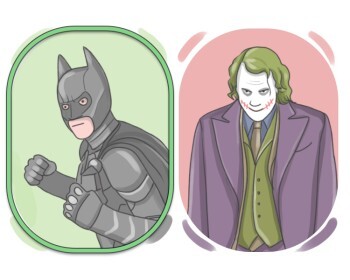
the main character in a movie, novel, TV show, etc.
protagoniste
Dans le film, la détermination et le courage inébranlables du protagoniste inspirent ceux qui l'entourent à se lever contre l'injustice.
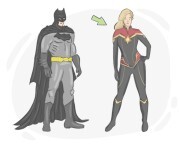
the main female character in a story, book, film, etc., typically known for great qualities
héroïne
Le film met en scène une héroïne qui défend ce en quoi elle croit.
the use of words and expressions that are not meant to be taken literally, but rather to create a vivid, imaginative image or effect in the reader's mind
langage figuré, langage imagé
exaggerated or overly emotional in a theatrical or sensational way
mélodramatique, théâtral
Le récit de l'événement par Jane est devenu mélodramatique alors qu'elle décrivait chaque détail avec une émotion accrue.
a cheap paperback novel often featuring an adventure or melodramatic story
roman à quatre sous
to turn real events or situations into a tale or story, often by changing or adding to the details
romancer, fictionaliser
Elle a romancé ses voyages à travers l'Europe dans une série de nouvelles.

the events that have happened to a character before their story in a book, movie, etc. begins
profil du personnage
an author whose work is published under someone else's name
nègre, nègre littéraire, prête-plume
Le politicien a employé un nègre littéraire pour rédiger ses discours et ses livres.
a decorative element or symbol carved or inscribed onto a surface
glyphe, symbole décoratif
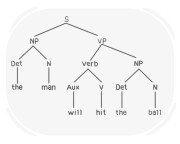
(linguistics) the way in which words and phrases are arranged to form grammatical sentences in a language
syntaxe
Comprendre la syntaxe d'une langue est crucial pour construire des phrases grammaticalement correctes et significatives.
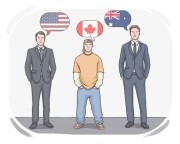
the spoken form of a language specific to a certain region or people which is slightly different from the standard form in words and grammar
dialecte
Les dialectes régionaux en anglais, tels que l'anglais britannique, l'anglais américain et l'anglais australien, varient en prononciation, vocabulaire et même en règles grammaticales.
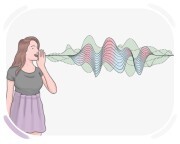
(phonetics) the rising and falling of the voice when speaking
intonation
a word formed from the initial letters of a phrase, pronounced as a single word
acronyme, sigle
L'enseignant a expliqué que scuba est un acronyme pour self-contained underwater breathing apparatus.
a type of abbreviation where the first letter of each word in a phrase or name is used to form a pronounceable acronym-like string of letters
sigle, acronyme
the study of the origins and historical developments of words and their meanings
étymologie
L'étude de l'étymologie aide à comprendre comment les langues évoluent et empruntent les unes aux autres.
an expert in the study of language, examining its structure, development, and cultural aspects
linguiste
En tant que linguiste computationnelle, Sarah a développé des algorithmes pour améliorer les systèmes de traduction automatique.
a collection of ancient myths, particularly one that belongs to a group of people and their history, etc.
mythologie
La mythologie nordique présente des récits de dieux comme Odin, Thor et Loki, ainsi que des aventures épiques de héros et de géants.
a mythological creature in Greek mythology, typically depicted as a fire-breathing creature with the body and head of a lion, the head of a goat protruding from its back, and a serpent for a tail
chimère
a legendary reptile, often depicted as having a deadly gaze or venomous breath
basilic, reptile légendaire
Selon la légende, le souffle du basilic pouvait flétrir les récoltes et empoisonner les sources d'eau.
the traditional beliefs, customs, stories, and legends of a particular community, usually passed down through generations by word of mouth
folklore
L'étude du folklore offre un aperçu des valeurs, croyances et pratiques d'une société, ainsi que de son histoire et de son identité.

a way of behaving or of doing something that is widely accepted in a society or among a specific group of people
coutume
collective knowledge, traditions, beliefs, and stories passed down within a culture or community, typically through storytelling
savoir, tradition
Elle a étudié le folklore des chevaliers médiévaux et de la chevalerie pour son projet de recherche.
a song or poem expressing sadness, especially in the memory of a dead person or a bitter event in the past
élégie
La mélodie envoûtante de l'élégie du musicien a résonné dans la salle de concert, évoquant un sentiment de mélancolie et de perte.

a person's ethnic, cultural, or religious background inherited from their ancestors
héritage
respected because of long-established use or tradition
consacré, séculaire
a group within a larger culture that shares distinctive values, norms, and behaviors, often differing from those of the dominant culture
sous-culture, subculture
Au sein de la sous-culture hip-hop, des éléments tels que la musique rap, l'art graffiti et le breakdance servent de moyens d'expression pour ses membres.
a renewed period of growth, popularity, or significance, particularly in cultural, artistic, or economic contexts
renaissance, renouveau
Les disques vinyles connaissent une renaissance parmi les amateurs de musique qui apprécient leur qualité sonore chaleureuse.
