pattern

ACT Humanities - Literature and Culture

Here you will learn some English words related to literature and culture, such as "elegy", "satirical", "memoir", etc. that will help you ace your ACTs.

Review

Flashcards

Spelling

Quiz

Start learning
ACT Vocabulary for Humanities
free verse

a type of verse without rhyme that has an irregular rhythm

Close
Sign in
stanza
stanza
[noun]

a series of lines in a poem, usually with recurring rhyme scheme and meter

Ex: The poem was structured with four stanzas, each following a different theme. 
Close
Sign in
sonnet
sonnet
[noun]

a verse of Italian origin that has 14 lines, usually in an iambic pentameter and a prescribed rhyme scheme
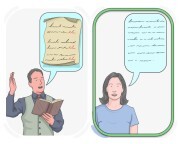
Ex: He struggled to fit his thoughts into the strict format of a sonnet. 
Close
Sign in
prose
prose
[noun]

spoken or written language in its usual form, in contrast to poetry
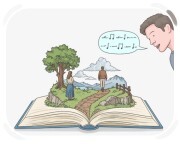
Ex: Her writing style is characterized by clear and concise prose, making her novels accessible to a wide audience. 
Close
Sign in
ballad
ballad
[noun]

a tale that is narrated in the form of a song or poem

Ex: The troubadours of medieval Europe traveled from town to town, singing ballads of love and chivalry. 
Close
Sign in
antimetabole

a literary and rhetorical device that involves repeating words or phrases in successive clauses or sentences, but in reverse order

Close
Sign in
personification

a literary device where human qualities or characteristics are attributed to non-human entities, objects, or ideas

Ex: The poem’s personification of the wind made it seem alive and restless. 
Close
Sign in
allusion
allusion
[noun]

a statement that implies or indirectly mentions something or someone else, especially as a literary device

Ex: Her comment about "meeting her Waterloo" was an allusion to Napoleon's final defeat, implying she faced an insurmountable challenge. 
Close
Sign in
allegorical
allegorical
[Adjective]

(of a story, play, image, etc.) using characters or events in a symbolic sense that represent a concept, quality, etc.

Close
Sign in
pun
pun
[noun]

a clever or amusing use of words that takes advantage of the multiple meanings or interpretations that it has

Ex: She made a clever pun during the meeting that had everyone laughing. 
Close
Sign in
metaphor
metaphor
[noun]

a figure of speech that compares two unrelated things to highlight their similarities and convey a deeper meaning

Ex: He used the metaphor of a journey to describe the process of personal growth. 
Close
Sign in
simile
simile
[noun]

a word or phrase that compares two things or people, highlighting the similarities, often introduced by 'like' or 'as'

Ex: The poet used a simile to compare the clouds to cotton candy, painting a vivid picture of their fluffy, ethereal appearance. 
Close
Sign in
irony
irony
[noun]

a form of humor in which the words that someone says mean the opposite, producing an emphatic effect

Ex: His irony was so sharp that some people didn’t realize he was mocking them. 
Close
Sign in
marginalia

marks and notes written in the margins of a book or document

Close
Sign in
memoir
memoir
[noun]

a written account of a person's own life experiences or a particular period in their life

Close
Sign in
autobiography

the story of the life of a person, written by the same person

Ex: He wrote an autobiography to share his life story with the world. 
Close
Sign in
graphic novel

a book that combines illustrations and storytelling to convey a narrative, often in a sequential art format

Ex: She is reading a graphic novel that explores dystopian themes. 
Close
Sign in
anthology
anthology
[noun]

a collection of selected writings by various authors, often on a similar theme or subject

Ex: The university library boasts an extensive anthology of classical literature. 
Close
Sign in
manuscript

a handwritten or typed document that has not yet been published or printed, often used to refer to an author's draft of a book or other literary work

Close
Sign in
satirical
satirical
[Adjective]

intending to mock, ridicule, or criticize a person, group, or society in a humorous or exaggerated way

Ex: The novel is a satirical critique of modern society. 
Close
Sign in
excerpt
excerpt
[noun]

a short piece taken from a longer composition

Close
Sign in
scroll
scroll
[noun]

a roll of parchment, paper, or other material containing writing or images, often used for historical or religious texts

Close
Sign in
interjection

(grammar) a phrase or word used suddenly to express a particular emotion

Ex: The teacher explained the concept of interjection during grammar class. 
Close
Sign in
tone
tone
[noun]

the quality or character of speech, writing, or behavior that reflects the speaker's or writer's attitude

Ex: The essay's tone was formal and authoritative. 
Close
Sign in
canon
canon
[noun]

a recognized collection of authoritative books, texts, or works within a particular field or tradition, especially in religion
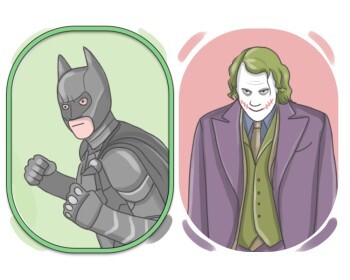
Ex: Shakespeare's plays are considered part of the literary canon in English literature. 
Close
Sign in
protagonist

the main character in a movie, novel, TV show, etc.
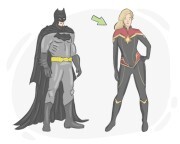
Ex: The protagonist of the novel is a young orphan who embarks on a journey of self-discovery and adventure. 
Close
Sign in
heroine
heroine
[noun]

the main female character in a story, book, film, etc., typically known for great qualities

Ex: She admired the bravery of the heroine in the novel. 
Close
Sign in
figurative language

the use of words and expressions that are not meant to be taken literally, but rather to create a vivid, imaginative image or effect in the reader's mind

Close
Sign in
melodramatic
melodramatic
[Adjective]

exaggerated or overly emotional in a theatrical or sensational way

Ex: Sarah's reaction to the minor inconvenience was melodramatic, complete with tears and exclamations. 
Close
Sign in
dime novel

a cheap paperback novel often featuring an adventure or melodramatic story

Close
Sign in
to fictionalize

to turn real events or situations into a tale or story, often by changing or adding to the details

Ex: The author fictionalized her childhood experiences in her bestselling novel. 
Close
Sign in
backstory
backstory
[noun]

the events that have happened to a character before their story in a book, movie, etc. begins

Ex: The author revealed the protagonist's tragic backstory through a series of flashbacks scattered throughout the novel. 
Close
Sign in
ghostwriter

an author whose work is published under someone else's name
Ex: The celebrity hired a ghostwriter to pen their memoirs. 
Close
Sign in
glyph
glyph
[noun]

a decorative element or symbol carved or inscribed onto a surface

Close
Sign in
syntax
syntax
[noun]

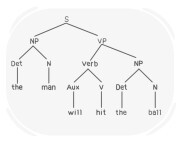
(linguistics) the way in which words and phrases are arranged to form grammatical sentences in a language
Ex: In linguistics, syntax refers to the rules that govern the structure of sentences, determining how words are arranged to convey meaning. 
Close
Sign in
dialect
dialect
[noun]

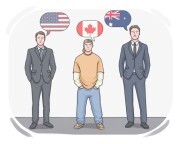
the spoken form of a language specific to a certain region or people which is slightly different from the standard form in words and grammar
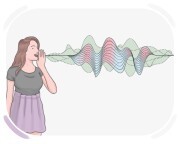
Ex: A dialect is a variety of a language spoken by a particular group of people, characterized by unique vocabulary, grammar, and pronunciation. 
Close
Sign in
intonation

(phonetics) the rising and falling of the voice when speaking

Ex: In phonetics, intonation refers to the pattern of rising and falling pitch in speech, which conveys meaning, emotion, and emphasis. 
Close
Sign in
acronym
acronym
[noun]

a word formed from the initial letters of a phrase, pronounced as a single word

Ex: NASA is an acronym for the National Aeronautics and Space Administration. 
Close
Sign in
initialism

a type of abbreviation where the first letter of each word in a phrase or name is used to form a pronounceable acronym-like string of letters

Close
Sign in
etymology
etymology
[noun]

the study of the origins and historical developments of words and their meanings

Ex: Linguists trace the etymology of "vocabulary" back to Latin "vocabulum," meaning word. 
Close
Sign in
linguist
linguist
[noun]

an expert in the study of language, examining its structure, development, and cultural aspects

Ex: The linguist conducted research on the syntax and grammar of an endangered indigenous language. 
Close
Sign in
mythology
mythology
[noun]

a collection of ancient myths, particularly one that belongs to a group of people and their history, etc.

Ex: Greek mythology includes stories of gods, goddesses, and heroes such as Zeus, Athena, and Hercules. 
Close
Sign in
chimera
chimera
[noun]

a mythological creature in Greek mythology, typically depicted as a fire-breathing creature with the body and head of a lion, the head of a goat protruding from its back, and a serpent for a tail

Close
Sign in
basilisk
basilisk
[noun]

a legendary reptile, often depicted as having a deadly gaze or venomous breath

Ex: The basilisk was feared throughout ancient lore for its deadly gaze. 
Close
Sign in
burlesque
burlesque
[noun]

an absurd or comically exaggerated replication of a literary or dramatic work

Close
Sign in
folklore
folklore
[noun]

the traditional beliefs, customs, stories, and legends of a particular community, usually passed down through generations by word of mouth
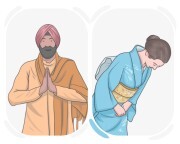
Ex: Folklore encompasses a wide range of cultural expressions, including myths, legends, fairy tales, folk songs, and folk dances. 
Close
Sign in
custom
custom
[noun]

a way of behaving or of doing something that is widely accepted in a society or among a specific group of people

Ex: It is a custom in Japan to take off your shoes before entering a house. 
Close
Sign in
lore
lore
[noun]

collective knowledge, traditions, beliefs, and stories passed down within a culture or community, typically through storytelling

Ex: The tribe's elders passed down ancient lore about the origins of their people. 
Close
Sign in
elegy
elegy
[noun]

a song or poem expressing sadness, especially in the memory of a dead person or a bitter event in the past

Ex: The poet composed an elegy to mourn the passing of a beloved friend, capturing the grief and longing felt by those left behind. 
Close
Sign in
heritage
heritage
[noun]

an individual's religious or ethnic background that is passed down to them from their ancestors

Ex: She takes great pride in her cultural heritage and often participates in traditional ceremonies and festivals. 
Close
Sign in
time-honored
time-honored
[Adjective]

(of traditions, practices, or customs) respected and followed for a long time because of their enduring value or significance

Ex: The time-honored ceremony has been celebrated in our family for generations. 
Close
Sign in
subculture

a group within a larger culture that shares distinctive values, norms, and behaviors, often differing from those of the dominant culture

Ex: The goth subculture, characterized by its dark fashion and music preferences, often congregates in alternative clubs and events. 
Close
Sign in
rebirth
rebirth
[noun]

a renewed period of growth, popularity, or significance, particularly in cultural, artistic, or economic contexts

Ex: The city underwent a cultural rebirth, revitalizing its arts scene and historical landmarks. 
Close
Sign in
LanGeek
Download LanGeek app