
Fejlett Szókincs a TOEFL-hez - Természeti jelenségek és környezet
Itt megtanulhat néhány angol szót a természeti jelenségekről és a környezetről, például "harmat", "széllökés", "szem" stb., amelyek szükségesek a TOEFL vizsgához.
Áttekintés
Villámkártyák
Betűzés
Kvíz

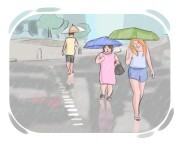
to rain lightly in fine, small drops

szemerkél, permetezik
Pont akkor kezdett szemerkélni, amikor elhagytuk a házat.
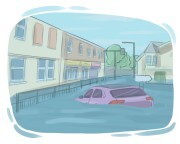
to cover a stretch of land with a lot of water
eláraszt, öntöz
A hó és jég olvadása eláraszthatja az alacsonyan fekvő mezőket, megnehezítve a mezőgazdasági hasznosításukat.
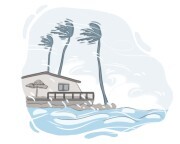
a weather phenomenon with an extensive circulation of winds around a central region of high barometric pressure that is connected with calm and fine weather
anticyklon, nagy nyomású terület
A anticyklon keresztezésével repülő pilóták sima körülményeket élveztek minimális turbulenciával, ami kellemes utazást tett lehetővé.
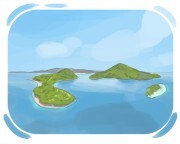
a large collection of islands or the sea surrounding them
szigetcsoport, szigetvilág
Meglátogatta a Galápagos-szigetvilágot, hogy egyedi vadállatvilágot lásson.

a suspension of fine solid or liquid particles dispersed in a gas
aeroszol, aeroszol
A laboratórium az aeroszolok viselkedését tanulmányozta ellenőrzött körülmények között.
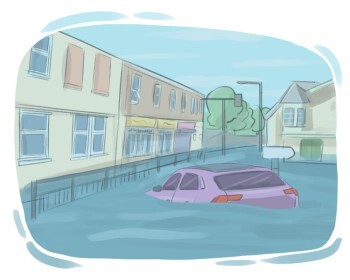
the overflow of normally dry land by rising water
árvíz, özönvíz
Egész falvakat elsöpört az árvíz, amely a vihart követően következett be.
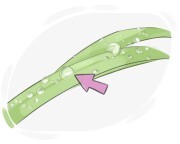
the tiny water drops that form on cool surfaces during the night, caused by condensation
harmat, éjszakai lecsapódás
A virág finom szirmai harmat cseppekkel voltak ékesítve, friss és fiatalos megjelenést kölcsönözve nekik.
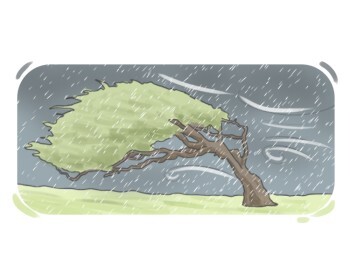
a small amount of rain, snow, etc. that moves in a quick and stormy way and lasts only for a short period of time
szélroham, hózápor
Az eső olyan gyorsan abbamaradt, ahogy kezdődött.
a drastic and sudden rush of wind
széllökés, szélroham
A vihar minden erős széllökéssel fokozódott, hajlítva a fákat és szétszórva a törmeléket a levegőben.
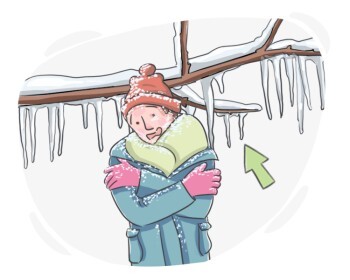
a long pointed piece of ice formed by the freezing of dripping water from a surface such as a roof
jégcsap, jégcsepp

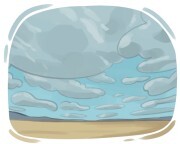
a type of cloud that is dark, grey, and large, often producing rain or snow
nimbusz, nimbuszfelhő
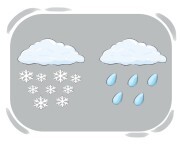
water in forms such as rain, snow, hail, or sleet that falls from the atmosphere to the Earth's surface
csapadék, csapadék
A csapadékmérők a csapadék mennyiségét mérik.
a period during which the weather becomes warmer causing snow and ice to melt
olvadás, engedés
Az olvadás lehetővé tette a folyó számára, hogy ismét szabadon folyjon.
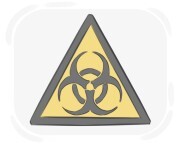
a risk to human health or to the environment caused by a biological source, especially microorganisms
biológiai veszély, biohazard
Az orvosi hulladék helytelen eltávolítása jelentős biológiai veszélyt jelenthet, esetleg fertőző betegségeket terjesztve.
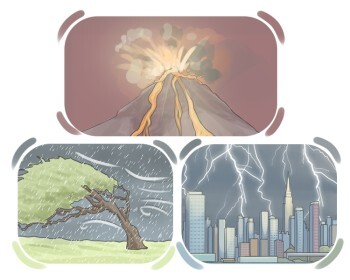
a sudden, violent natural disaster that drastically alters the earth's landscape
kataklizma, természeti katasztrófa
A földcsuszamlások és a szikla lavinák a viszonylag gyakori földi katasztrófák példái, amelyek kevés figyelmeztetéssel fejlődhetnek ki.
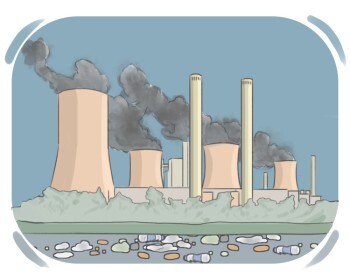
the act or process of making a substance or place dirty or polluted, especially by dangerous substances
szennyeződés, kontamináció
A gyárat a levegő szennyezése miatt bírságolták.
liquid waste or sewage discharged into rivers, lakes, or the sea
szennyvíz, folyékony hulladék
A környezetvédelmi előírások előírják, hogy az iparágak kezeljék szennyvízüket mielőtt tavakba és óceánokba engednék, hogy megelőzzék a szennyezést.
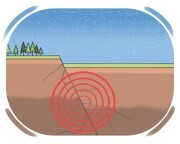
the point on the surface of the earth vertically above the focus of an earthquake where its effects are felt most strongly
epicentrum, központ
A mentőcsapatok erőfeszítéseiket az epicentrumra összpontosították, ahol a természeti katasztrófa hatása a legsúlyosabb volt.
the calm area at the center of a storm, hurricane, or tornado
szem, a vihar szeme
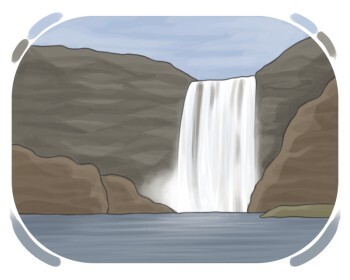
a small steep waterfall, usually one of several others
kis vízesés
Fotókat készítettek a nemzeti park mélyén rejtőző vízesésről.
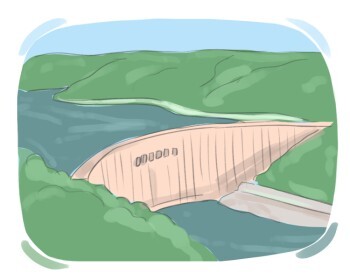
a wall built in order to stop water, especially from the sea, from entering an area
gát, védőgát
A gát törése miatt a közeli mezők teljesen víz alá kerültek.

a level path, typically beside the sea or a river, that is wide and open where people may walk by for pleasure
sétány
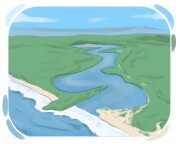
the part of a river that is wide and where it meets the sea
torkolat, folyótorkolat
A torkolatok fontos ökoszisztémák, ahol az édesvíz találkozik a sós vízzel.
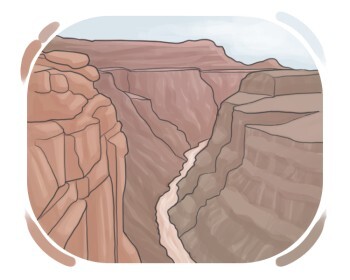
a steep-sided valley, often with a stream running through it
szurdok, völgy
A geológusok a szurdokot tanulmányozták, hogy megértsék az eróziós mintákat.
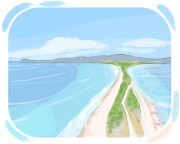
a narrow piece of land with water on each side that connects two larger areas
földnyelv, keskeny földsáv
Az ősi civilizációk gyakran telepedtek le a földszorosok mentén kereskedelmi és védelmi stratégiai jelentőségük miatt.
a structure built along a riverbank to serve as a landing place for boats or ships
kikötő, kikötőhely
Az árusok arakpart mentén sorakoztak fel, árukat értékesítve az érkező utasoknak.
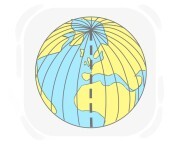
one of the imaginary lines between the North Pole and the South Pole, drawn on maps to help pinpoint a location
meridián, meridián vonal
A tengerészek a meridiánokra támaszkodtak a tengerek navigálásához, égi testeket használva a helyzetük meghatározásához ezekhez a képzeletbeli vonalakhoz viszonyítva.
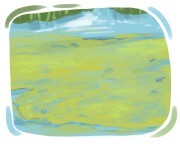
a muddy and wet piece of land in which it is possible to get stuck
mocsár, ingovány
A kemping egy mocsár közelében helyezkedett el, amely különféle vadállatokat vonzott.
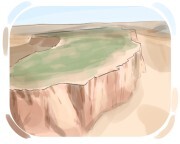
an area of land that is flat and higher than the land surrounding it
fennsík, plató
A Dekkán-fennsík Indiában egy nagy, magaslatban fekvő terület, amely gazdag vulkanikus talajáról és kiterjedt mezőgazdaságáról ismert.
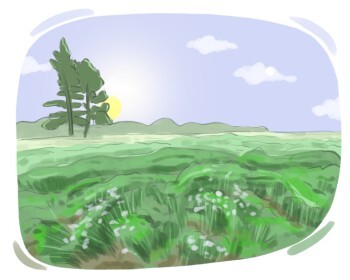
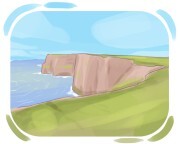
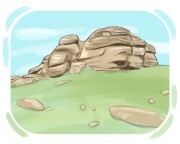
the highest point that a certain celestial body reaches, directly above an observer
zenit, legmagasabb pont
A műhold a megfigyelő feletti pályájának zenitjén volt elhelyezve.
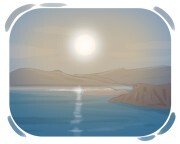
relating to or resembling twilight
szürkületi, a szürkületre jellemző
A szürkületi sugarak átszúrták a felhőket, drámai hatást kelthetve az esti égbolton.
connected with or produced by the heat inside the earth
geotermikus, földhő-
A geotermális források, mint például a Yellowstone Nemzeti Parkban találhatóak, a Föld belső hőjével melegednek fel.
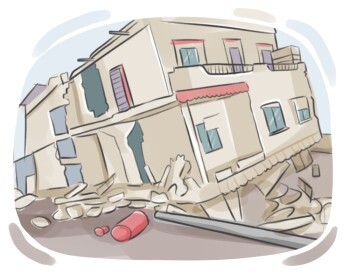
related to or caused by an earthquake
szeizmikus, földrengéssel kapcsolatos
A szeizmikus tevékenység seismométerekkel észlelhető és mérhető.
relating to the movement and arrangement of the Earth's crust
tektonikus, a Föld kérgének mozgásával és elrendeződésével kapcsolatos
A tektonikus erők a földkéreg emelkedését okozzák, hegyvonulatokat hozva létre.
| Fejlett Szókincs a TOEFL-hez | |||
|---|---|---|---|
| Sport | Vásárlás | Pénz és Üzlet | Szakmai Élet és Foglalkozások |
| Természeti jelenségek és környezet | Mezőgazdaság és Növényzet | Gondolkodom, Tehát Vagyok! | |
