
Pokročilá Slovní Zásoba pro TOEFL - Přírodní jevy a životní prostředí
Zde se naučíte některá anglická slova o přírodních jevech a životním prostředí, jako je "rosa", "náraz", "oko" atd., která jsou potřebná pro zkoušku TOEFL.
Revize
Kartičky
Pravopis
Kvíz

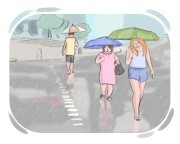
to rain lightly in fine, small drops

mrholit, krápat
Déšť mžil jemně na chodníku, což vytvořilo mlhavou atmosféru.
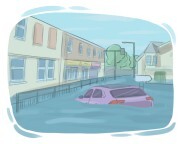
to cover a stretch of land with a lot of water
zaplavit, zatopit
Přívalová vlna hrozila zaplavením pobřežních měst, což vedlo k evakuačním rozkazům.
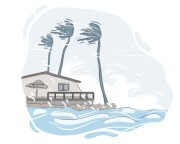
a weather phenomenon with an extensive circulation of winds around a central region of high barometric pressure that is connected with calm and fine weather
anticyklóna, oblast vysokého tlaku
Obyvatelé využili klidného počasí přineseného anticyklónou k užívání si venkovních aktivit, jako jsou pikniky a túry v horách.
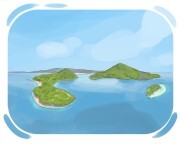
a large collection of islands or the sea surrounding them
souostroví, skupina ostrovů
Cestovatelé často objevují řecký souostroví kvůli jeho krásným ostrovům.

a suspension of fine solid or liquid particles dispersed in a gas
aerosol, aerosol
Aerosoly z průmyslových emisí mohou cestovat na velké vzdálenosti.
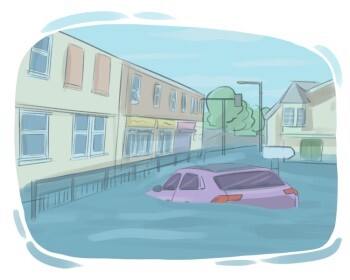
the overflow of normally dry land by rising water
povodeň, potopa
Satelitní snímky ukázaly rozsah záplavy na záplavové pláni.
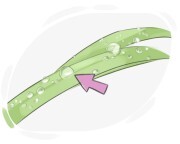
the tiny water drops that form on cool surfaces during the night, caused by condensation
rosa, noční kondenzace
V ranním světle se rosa třpytila jako diamanty na trávě a dodávala krajině kouzelnou kvalitu.
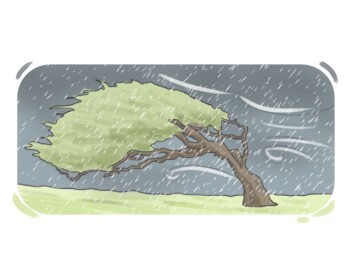
a small amount of rain, snow, etc. that moves in a quick and stormy way and lasts only for a short period of time
poryv, přeháňka
Krátký přeháňka sněhu udělala silnice kluzké.
a drastic and sudden rush of wind
poryv, náraz
S každým poryvem podzimní listí tancovalo a točilo se v barevném víru, než se znovu usadilo na zemi.
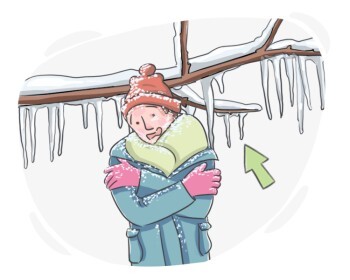
a long pointed piece of ice formed by the freezing of dripping water from a surface such as a roof
rampouch, ledový krápník

a type of light cloud that looks wispy formed at high altitudes
cirrus, řasová oblačnost
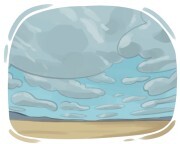
a type of cloud that is dark, grey, and large, often producing rain or snow
nimbus, dešťový mrak
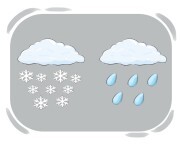
water in forms such as rain, snow, hail, or sleet that falls from the atmosphere to the Earth's surface
srážky, srážky
Předpověď počasí předpovídá silné srážky zítra.
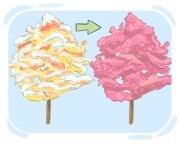
a period during which the weather becomes warmer causing snow and ice to melt
obleva, tání
Po dlouhé zimě jarní obleva odhalila první známky zeleně.
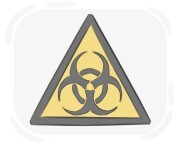
a risk to human health or to the environment caused by a biological source, especially microorganisms
biologické nebezpečí, biohazard
Výstražné značky biologického nebezpečí byly umístěny kolem kontaminované oblasti, aby varovaly lidi před potenciálním nebezpečím z biologických zdrojů.
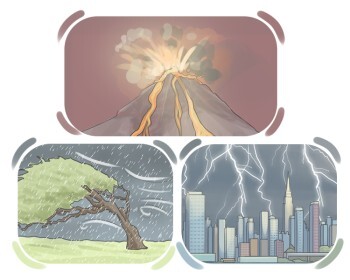
a sudden, violent natural disaster that drastically alters the earth's landscape
kataklyzma, přírodní katastrofa
Indonéské zemětřesení a tsunami v roce 2004 způsobily masivní kataklyzma, které si vyžádalo více než 200 000 životů.
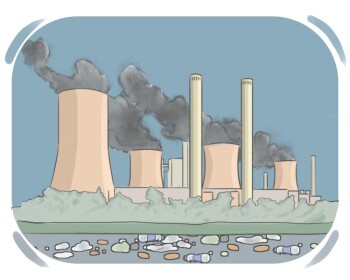
the act or process of making a substance or place dirty or polluted, especially by dangerous substances
kontaminace, znečištění
Chemická kontaminace poškodila mořský život.
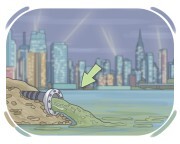
liquid waste or sewage discharged into rivers, lakes, or the sea
odpadní voda, tekutý odpad
Odtoková voda ze zemědělských polí, bohatá na hnojiva a pesticidy, se často dostává do blízkých potoků, což způsobuje znečištění a nerovnováhu v ekosystému.
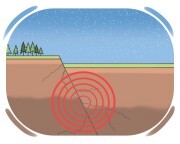
the point on the surface of the earth vertically above the focus of an earthquake where its effects are felt most strongly
epicentrum, střed
Během pandemie se město stalo epicentrem výskytu, přičemž nemocnice se potýkaly s přílivem pacientů.
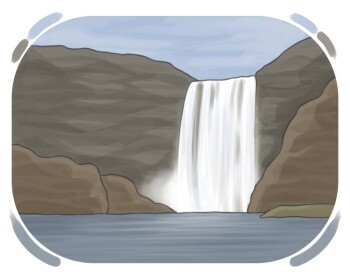
a small steep waterfall, usually one of several others
vodopád
Průvodce zdůraznil slavný vodopád jako povinnou atrakci.
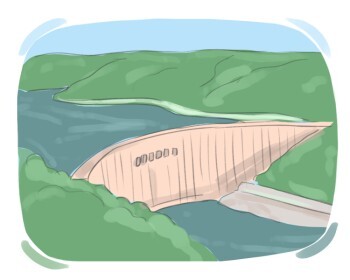
a wall built in order to stop water, especially from the sea, from entering an area
hráz, násep
Dělníci spěchali opravit poškozenou hráz před příchodem přílivu.
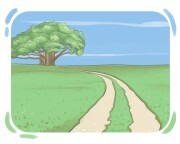
a level path, typically beside the sea or a river, that is wide and open where people may walk by for pleasure
nábřeží
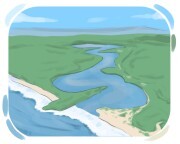
the part of a river that is wide and where it meets the sea
ústí, estuár
Environmentalisté pracují na ochraně ústí řek před znečištěním a ničením stanovišť.
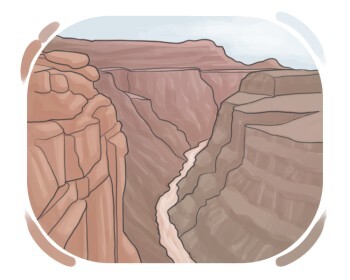
a steep-sided valley, often with a stream running through it
rokle, údolí
Ptáci hnízdili ve skalnatých stěnách rokle.
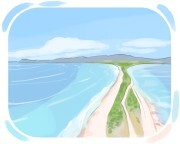
a narrow piece of land with water on each side that connects two larger areas
šíje, úzký pruh země
Úzká šíje mezi Středozemním a Rudým mořem je již dlouho středoborem námořního obchodu, ovlivňujícím vývoj civilizací v regionu.
a structure built along a riverbank to serve as a landing place for boats or ships
nábřeží, přístaviště
Náklad byl vyložen přímo na nábřeží pro přepravu do vnitrozemí.
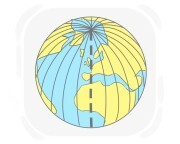
one of the imaginary lines between the North Pole and the South Pole, drawn on maps to help pinpoint a location
poledník, poledníková čára
Geografové studují poledníky, aby analyzovali prostorové vztahy a porozuměli tomu, jak jsou lidské aktivity distribuovány v různých oblastech světa.
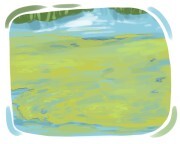
a muddy and wet piece of land in which it is possible to get stuck
bažina, močál
Bažina byla domovem unikátních rostlinných druhů, které prospívaly ve vlhkých, bažinatých podmínkách.
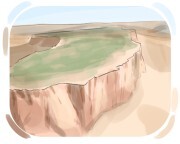
an area of land that is flat and higher than the land surrounding it
náhorní plošina, plató
Qinghajsko-tibetská plošina, často nazývaná "Střecha světa", je nejvyšší a největší plošina na světě.
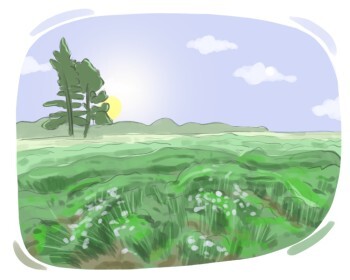
a flat, wide area of land with no or very few trees in North America
prérie, pláň
the highest point that a certain celestial body reaches, directly above an observer
zenit, nejvyšší bod
Teleskop byl upraven tak, aby sledoval planety, když se blížily k jejich zenitu.
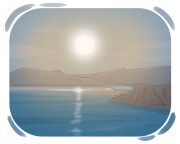
relating to or resembling twilight
soumračný, vztahující se k soumraku
Les získal soumračnou atmosféru, když slunce zapadlo za obzor.
connected with or produced by the heat inside the earth
geotermální, geotermický
Geotermální hotspoty, jako je Island a Nový Zéland, jsou oblasti, kde je teplo Země obzvláště dostupné.
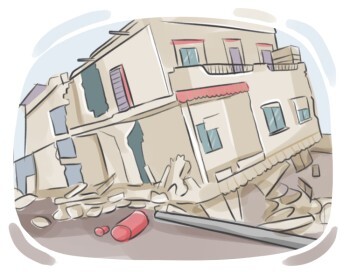
related to or caused by an earthquake
seismický, související se zemětřesením
Seismická data shromážděná výzkumníky poskytují cenné poznatky o vnitřní struktuře Země.
relating to the movement and arrangement of the Earth's crust
tektonický, vztahující se k pohybu a uspořádání zemské kůry
Tektonická aktivita podél zlomových linií může vést k zemětřesením a sopečným erupcím.
| Pokročilá Slovní Zásoba pro TOEFL | |||
|---|---|---|---|
| Sport | Nakupování | Peníze a Podnikání | Profesionální život a povolání |
| Přírodní jevy a životní prostředí | Zemědělství a Vegetace | Myslím, Tedy Jsem! | |
