
Zene - Zenei Elemek
Itt megtanulhat néhány angol szót a zenei elemekkel kapcsolatban, például "skála", "tonalitás" és "vibrato".
Áttekintés
Villámkártyák
Betűzés
Kvíz
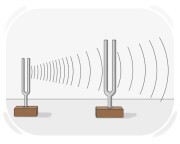
the degree of highness or lowness of a tone that is determined by the frequency of waves producing it

hangmagasság, tónus
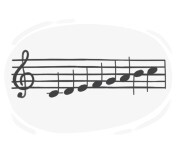
an arrangement of a series of musical notes with specified intervals, in ascending or descending pitch order
skála, zenei skála

a specific arrangement of tones and semitones that create a distinctive scale pattern
módusz, zenei módusz
the variation or contrast in volume or intensity of a musical performance
árnyalat, dinamika
in music refers to how notes or sounds are played, including factors like attack, duration, and release, which shape the expressiveness of a performance
artikuláció, frazírozás
the overall quality of a piece of music created by the way its different melodic, harmonic, and rhythmic parts interact
a combination of notes or chords that sounds harsh or unstable
disszonancia, hangzavar
Az akkord disszonanciája nyugtalanító érzést adott a zenének.
a musical quality where tones or chords blend smoothly, producing a sense of stability or pleasantness
konszonancia, harmónia
A konszonancia nyugtató hatást adott a darabnak.
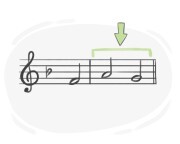
any of the short sections consisting of musical beats located between two consecutive lines
ütem, mérték
a dissimilarity in pitch between two notes
intervallum, különbség
a short melodic or rhythmic idea that recurs or is developed within a musical composition
motívum, zenei motívum
the use of dynamics, phrasing, tempo, articulation, and other interpretive elements by a performer to convey the emotional or artistic intent of a piece of music, adding depth, feeling, and individuality to the performance
zenei kifejezés, zenei értelmezés
the interval between two consecutive pitches in a scale
lépés, fok

the combination of different musical notes played or sung at the same time
harmónia, összhang
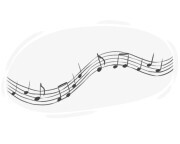
the arrangement or succession of single musical notes in a tune or piece of music
melódia
Dúdolta a dallamot magának, miközben az utcán sétált, elveszve a gondolataiban.
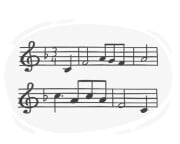
a system of written signs or symbols that are used in music or mathematics
notáció, notációs rendszer
a repeated pattern of beats or sounds in music
ritmus, ütem
the unique quality of a sound that distinguishes it from others, even when pitch and loudness are the same, often described as tone color
hangszín, tímbre
Egy hegedű és egy fuvola, amelyek ugyanazt a hangot játsszák, különböző hangszínekkel rendelkeznek.
the fundamental unit of time that forms the basis of musical rhythm
ütem, pulzus
a component of a musical sound that is produced alongside the fundamental pitch, contributing to the overall richness and timbre of the sound
felhang, harmonikus összetevő
A hegedűs gondosan hangolta meg minden húrt, hogy tiszta és élénk harmonikus hangot produkáljon.
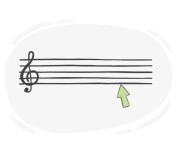
a set of horizontal lines and spaces on which musical notes are written
kottavonal, zenei vonalak
A kottában minden kottavonal egy másik hangszer vagy énekes részt képvisel az együttesben.
a regular underlying beat that establishes the timing of music
pulzus, ütem
the first beat of a measure, typically emphasized in terms of accentuation and providing a sense of rhythmic stability
erős ütem, első ütem
A jazz-dobosok gyakran hangsúlyozzák az ütemet egy erős ütéssel a basszusdobon, ezzel rögzítve az együttes ritmusát.
a vocal or musical sound with a particular pitch, intensity, and quality
hangszín, tonalitás
a seven-note scale with a specific pattern of whole and half steps
diatonikus hangsor, diatonikus skála
A diatonikus skála a hangok és félhangok lépcsőzetes elrendezésével jellemezhető, amely keretet biztosít a dallamok és harmóniák számára.
an unusual combination of musical notes that sound strange when played
viszály, disszonancia
A zeneszerző szándékosan használt disszonanciát a feszültség érzetének keltésére.
the simultaneous performance of the same pitch or note by multiple musicians or instruments
uniszónó, egyezés
A hegedűk unisonóban játszották a dallamot, hangsúlyozva a dallam tisztaságát és erejét.
a short, repeated musical pattern found in both jazz and popular music, serving as a prominent and recognizable element within a song or composition
egy riff, egy ismétlődő zenei minta
A basszusgitáros egy funky riffet improvizált a jam session alatt.
the organization of pitches and chords around a central pitch, creating a sense of harmonic stability and establishing a key center
tonalitás, tonális szervezés
A barokk zeneszerzők gyakran alkalmazták a tonalitást, hogy kompozícióikat világos harmonikus haladások és kadenciák köré építsék.
the organization and shaping of musical phrases or sections to convey expression, emotion, and musical coherence
kifejezésmód, artikuláció
A jazz improvizátorok a kreatív frazírozásra összpontosítanak, ritmikus variációkat és artikulációt használva, hogy közvetítsék zenei ötleteiket.
a musical unit or segment consisting of several notes played or sung together
frázis, zenei szegmens
a rapid repetition of a single musical note or alternation between two notes
egy tremolo, egy remegés
A gitáros tremolót használt, hogy textúrát és intenzitást adjon az akkordmenetnek.
a slight, rapid variation in pitch and intensity of a note
vibrato, remegés
A gordonkás vibratója gazdagította a dallam hangszínét, mélységet és karaktert adva neki.
the overall structure or organization of a musical composition
forma, szerkezet
