
Salute e Malattia - Nomi generali relativi alla salute e alla malattia
Qui imparerai alcuni sostantivi inglesi generali relativi alla salute e alla malattia come "condizione", "epidemia" e "portatore".
Revisione
Flashcard
Ortografia
Quiz
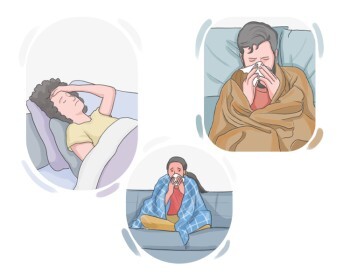
the state of being physically or mentally sick

malattia
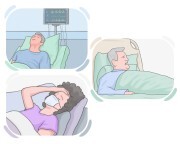
an illness in a human, animal, or plant that affects health
malattia
the state of being ill or in poor health
malattia

the act in which a disease-causing organism, such as a virus or parasite, causes a particular illness
infezione
an illness or condition that disrupts normal physical or mental functioning
disordine
a typically minor health issue or condition for which one seeks medical assistance
reclamo
a medical problem, such as a disorder, illness, etc.
condizione
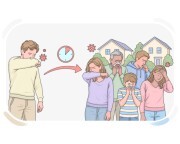
the rapid spread of an infectious disease within a specific population, community, or region, affecting a significant number of individuals at the same time
epidemia
any disease or virus that can be easily passed from one person to another
contagio
Nonostante i loro sforzi, il contagio si è diffuso rapidamente, portando a un significativo aumento dei ricoveri ospedalieri.
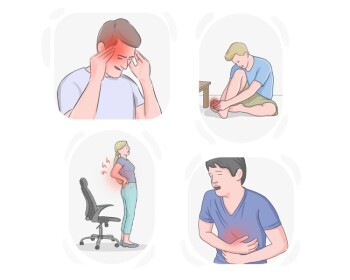
a state of pain or suffering due to a physical or mental condition
afflizione
L'afflizione delle emicranie le ha reso difficile concentrarsi e ha sconvolto la sua routine quotidiana.
a tiny living organism that can cause disease
virus
Un microbo gastrico lo ha tenuto a casa dal lavoro.
a state of emotional, mental, and physical exhaustion caused by stress, overwork, or a lack of balance between work and personal life
esaurimento
Fare pause regolari e praticare attività di cura di sé sono strategie essenziali per prevenire il burnout in ambienti ad alto stress.
a mild state of being unwell, often leading to a temporary inability to perform one's usual activities
indisposizione, malessere
L'atleta ha deciso di ritirarsi dalla competizione a causa di un'indisposizione inaspettata che ha influenzato la sua performance.
the state of being weak and unhealthy, especially due to old age or sickness
infermità
Dopo l'incidente, ha lottato con una infermità fisica che lo costringeva a usare un bastone.
a state of severe mental disorder affecting a person's ability to understand reality, think rationally, or behave in a socially acceptable manner
follia, alienazione mentale
Gli standard legali spesso richiedono un significativo deterioramento cognitivo per l'insania.
a bodily system or organ's failure to function in an effective or typical manner
insufficienza, malfunzionamento
L'insufficienza intestinale compromette l'assorbimento dei nutrienti nel sistema digestivo.
a feeling of being physically ill and irritated without knowing the reason
malessere
Dopo essersi ripreso dall'influenza, ha sperimentato un malessere persistente, rendendo difficile il ritorno alla sua routine normale.
conditions affecting how a person thinks, feels, behaves, or their mood, often needing medical or therapeutic help
malattia mentale
La malattia mentale non è un fallimento personale ma una condizione di salute che merita compassione.
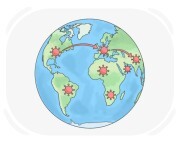
a disease that spreads across a large region or even across the world
pandemia
a characteristic pattern of attitudes, behavior, or qualities associated with a particular type of person or situation
sindrome
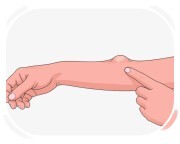
a swelling or hard mass in or on the body, especially one caused by illness or injury
bernoccolo
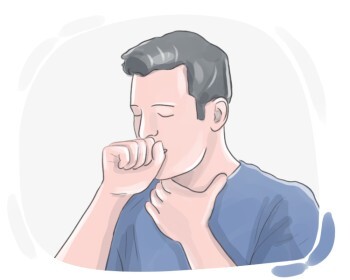
an illness or condition that causes someone to cough frequently
tosse
damage inflicted on the body as a result of an external force or event
trauma
Il pugile ha sofferto di un grave trauma cerebrale dopo aver ricevuto ripetuti colpi alla testa durante l'incontro.
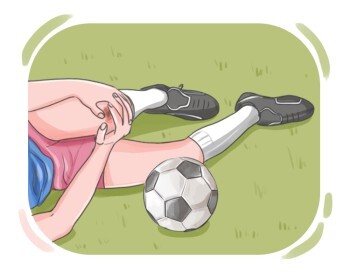
any physical damage to a part of the body caused by an accident or attack
ferita
the state of being physically or mentally unable to do one's work or to manage one's affairs
incapacità
a short period during which someone is suffering from an illness
attacco
Un improvviso attacco di vertigini le ha fatto sentire capogiro e disorientata, spingendola a sedersi e riposare.
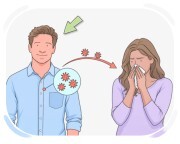
a person or animal that carries an infectious agent without showing symptoms and can transmit it to others
vettore
the outbreak of a contagious illness among the people of a particular region where the source of the infection is not easily traceable
diffusione della comunità
La diffusione comunitaria della malattia indica che il virus sta circolando ampiamente all'interno della popolazione, rendendo più difficile il contenimento.
any physical problem that might put one's health in danger
malattia
Il villaggio medievale era afflitto da una malattia che si diffuse rapidamente, causando malattia diffusa e morte.
the feeling of discomfort in the stomach, often with the urge to vomit
nausea
La nausea è un effetto collaterale comune del trattamento chemioterapico.
the unpleasant feeling caused by an illness or injury
dolore

the condition of having an unhealthy pale appearance as a result of illness, emotional distress, etc.
pallore
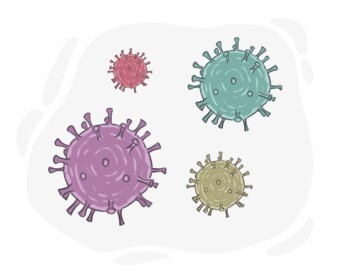
any organism that can cause diseases
patogeno
Il patogeno responsabile della malaria viene trasmesso all'uomo attraverso la puntura di una zanzara infetta.
the first person known to have a certain disease, often seen as the starting point of an outbreak
paziente zero
Identificando il paziente zero precocemente, le autorità possono implementare misure di contenimento efficaci per controllare la diffusione della malattia.
a sudden, severe, and often brief appearance of a health problem that is hard to control
crisi, attacco
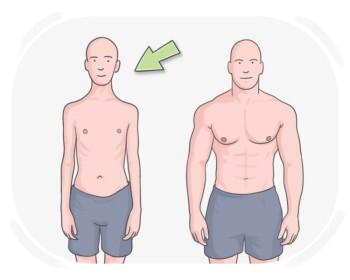
a state of extreme thinness and weakness, often due to illness, starvation, etc.
emaciazione
La gravità della sua emaciazione era un chiaro segno del neglecto e dell'abuso che aveva subito.
severe physical or mental pain
dolore estremo
I pazienti con gravi ustioni spesso sperimentano un'agonia straziante durante il trattamento.
a state of deep unconsciousness, typically of a long duration and caused by a serious injury or severe illness
coma
La squadra medica ha lavorato duramente per determinare la causa del suo coma.
someone who spreads a contagious disease to a very large number of people
supercontagger

a change in the normal condition of the body of a person, which is the sign of a disease
sintomo
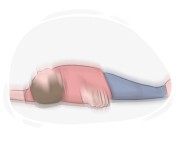
the state of not being awake or aware of one's surroundings
incoscienza
Incoscienza può essere una condizione medica grave che richiede attenzione immediata.
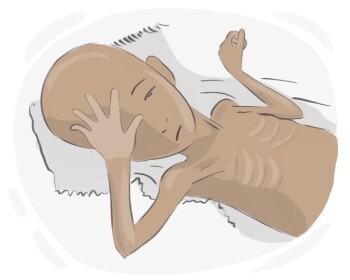
a condition in which individuals do not receive enough nutrients and calories, leading to various health problems such as stunted growth
denutrite
La denutrizione cronica provoca affaticamento, debolezza e compromissione della funzione cognitiva.
a health problem that disrupts the normal functioning of the stomach
disagio
an area with a high number of infected people where strict public health rules are applied to control the spread of infection
zona rossa
È essenziale rimanere aggiornati sulle ultime informazioni riguardanti le zone rosse e aderire alle misure di sicurezza raccomandate per proteggere se stessi e gli altri durante una pandemia.
the return of symptoms or a condition after a period of improvement or recovery
ricaduta
Era determinato a prevenire una ricaduta partecipando a regolari sedute di terapia e rimanendo in contatto con un gruppo di supporto.
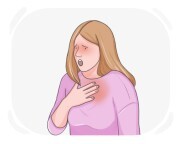
a sudden and unexpected start or return of a medical problem
confisca
Alla famiglia sono state date istruzioni su come gestire un episodio di crisi a casa.
a reflexive movement of the body or part of it caused by cold, fear, or excitement
scuotere
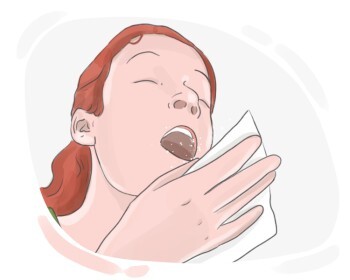
the act of blowing air out of your nose and mouth in a forceful way
starnuto
Lo starnuto l'ha interrotta mentre parlava.
physical weakness that is caused by a disease or aging
debolezza
Con l'avanzare dell'età, la sua artrite ha causato debilità nelle sue mani, rendendole difficile afferrare oggetti.

a doctor's report stating that the patient is in good physical or mental health
