pattern

Hälsa och Sjukdom - Allmänna substantiv relaterade till hälsa och sjukdom

Här kommer du att lära dig några allmänna engelska substantiv relaterade till hälsa och sjukdom såsom "tillstånd", "epidemi" och "bärare".

Recension

Flashcards

Stavning

Quiz
Starta lärandet
Words Related to Health and Sickness
illness
illness
[Substantiv]

the state of being physically or mentally sick

sjukdom, åkomma
sjukdom, åkomma

Ex: She missed several weeks of work because of illness. 
Stäng
Logga in
disease
disease
[Substantiv]

an illness in a human, animal, or plant that affects health

sjukdom, sjukdom

sjukdom, sjukdom

Ex: The disease can affect both humans and animals. 
Stäng
Logga in
sickness
sickness
[Substantiv]

the state of being ill or in poor health

sjukdom,  sjuka

sjukdom, sjuka

Ex: Poor sanitation contributed to widespread sickness in the camp. 
Stäng
Logga in
infection
infection
[Substantiv]

the act in which a disease-causing organism, such as a virus or parasite, causes a particular illness

infektion

infektion

Ex: Proper hygiene can help prevent infection by harmful bacteria. 
Stäng
Logga in
disorder
disorder
[Substantiv]

an illness or condition that disrupts normal physical or mental functioning

störning,  sjukdom

störning, sjukdom

Ex: Some digestive disorders can be managed through changes in diet. 
Stäng
Logga in
complaint
complaint
[Substantiv]

a typically minor health issue or condition for which one seeks medical assistance

klagomål, besvär

klagomål, besvär

Ex: The most common complaint among the elderly population is arthritis-related pain. 
Stäng
Logga in
condition
condition
[Substantiv]

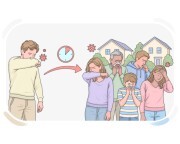
a medical problem, such as a disorder, illness, etc.

tillstånd, sjukdom
tillstånd, sjukdom

Ex: The doctor diagnosed him with a heart condition. 
Stäng
Logga in
epidemic
epidemic
[Substantiv]

the rapid spread of an infectious disease within a specific population, community, or region, affecting a significant number of individuals at the same time

epidemi, sjukdomsutbrott

epidemi, sjukdomsutbrott

Ex: The government launched a vaccination campaign during the epidemic. 
Stäng
Logga in
contagion
contagion
[Substantiv]

any disease or virus that can be easily passed from one person to another

smitta, infektion

smitta, infektion

Ex: The school's nurse educated students about the importance of vaccination in preventing the spread of contagion. 

Skolans sjuksköterska utbildade eleverna om vikten av vaccination för att förhindra spridningen av smitta.
Stäng
Logga in
affliction
affliction
[Substantiv]

a state of pain or suffering due to a physical or mental condition

lidande, plåga

lidande, plåga

Ex: Despite the medication, her affliction persisted, causing constant and excruciating pain. 

Trots medicinen kvarstod hennes plåga och orsakade konstant och plågsam smärta.

Stäng
Logga in
bug
bug
[Substantiv]

a tiny living organism that can cause disease

mikrob, mikroorganism

mikrob, mikroorganism

Ex: Handwashing prevents the transfer of bugs. 

Handtvätt förhindrar överföringen av bakterier.

Stäng
Logga in
burnout
burnout
[Substantiv]

a state of emotional, mental, and physical exhaustion caused by stress, overwork, or a lack of balance between work and personal life

utmattning, burnout

utmattning, burnout

Ex: Burnout can manifest as physical symptoms such as fatigue, headaches, and insomnia, in addition to emotional and mental exhaustion. 

Utbrändhet kan manifestera sig som fysiska symptom som trötthet, huvudvärk och sömnlöshet, förutom känslomässig och mental utmattning.

Stäng
Logga in
indisposition
indisposition
[Substantiv]

a mild state of being unwell, often leading to a temporary inability to perform one's usual activities

obehag, dålig hälsa

obehag, dålig hälsa

Ex: The actress regretfully announced her indisposition, leading to the cancellation of the scheduled performance. 

Skådespelerskan meddelade tyvärr sin obehag, vilket ledde till inställningen av den schemalagda föreställningen.

Stäng
Logga in
infirmity
infirmity
[Substantiv]

the state of being weak and unhealthy, especially due to old age or sickness

svaghet, sjuklighet

svaghet, sjuklighet

Ex: Age often brings with it various infirmities, making daily tasks more challenging. 

Ålder medför ofta olika sjukdomar, vilket gör vardagliga uppgifter mer utmanande.

Stäng
Logga in
insanity
insanity
[Substantiv]

a state of severe mental disorder affecting a person's ability to understand reality, think rationally, or behave in a socially acceptable manner

vansinne, psykisk störning

vansinne, psykisk störning

Ex: Public perception has shifted away from associating all disorders with insanity. 

Den allmänna uppfattningen har flyttat bort från att associera alla störningar med galenskap.

Stäng
Logga in
insufficiency
insufficiency
[Substantiv]

a bodily system or organ's failure to function in an effective or typical manner

otillräcklighet, brist

otillräcklighet, brist

Ex: Respiratory insufficiency limits the lungs' capacity to provide enough oxygen. 

Respiratorisk otillräcklighet begränsar lungornas förmåga att tillhandahålla tillräckligt med syre.

Stäng
Logga in
malaise
malaise
[Substantiv]

a feeling of being physically ill and irritated without knowing the reason

malaise

malaise

Ex: The doctor noted that malaise can be a nonspecific symptom indicating an underlying health issue, such as an infection or chronic illness. 

Läkaren noterade att malaise kan vara ett ospecifikt symptom som indikerar en underliggande hälsoproblem, såsom en infektion eller kronisk sjukdom.

Stäng
Logga in
mental illness
mental illness
[Substantiv]

conditions affecting how a person thinks, feels, behaves, or their mood, often needing medical or therapeutic help

psykisk sjukdom

psykisk sjukdom

Ex: Open conversations about mental illness contribute to breaking down societal barriers. 

Öppna samtal om psykisk sjukdom bidrar till att bryta ner samhälleliga barriärer.
Stäng
Logga in
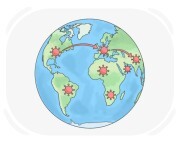
pandemic
pandemic
[Substantiv]

a disease that spreads across a large region or even across the world

pandemi, global epidemi

pandemi, global epidemi

Ex: Pandemics can spread illness globally due to increased international travel and trade networks. 
Stäng
Logga in
syndrome
syndrome
[Substantiv]

a characteristic pattern of attitudes, behavior, or qualities associated with a particular type of person or situation

syndrom,  benägenhet
syndrom, benägenhet

Ex: The team had developed a last-minute syndrome, leaving every task until the deadline. 
Stäng
Logga in
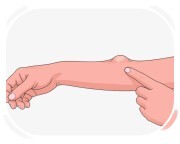
lump
lump
[Substantiv]

a swelling or hard mass in or on the body, especially one caused by illness or injury

knöl, svullnad
knöl, svullnad

Ex: She found a lump in her breast and made a medical appointment. 
Stäng
Logga in
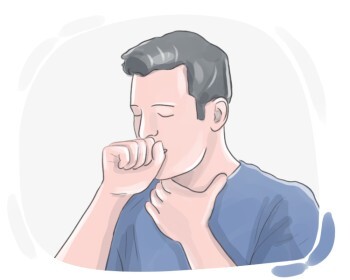
cough
cough
[Substantiv]

an illness or condition that causes someone to cough frequently

Ex: His cough became worse during the night. 
Stäng
Logga in
trauma
trauma
[Substantiv]

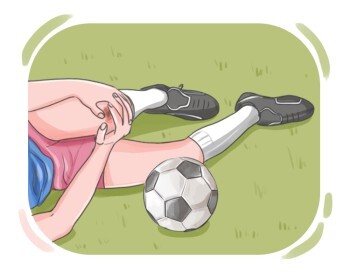
damage inflicted on the body as a result of an external force or event

trauma, skada

trauma, skada

Ex: Victims of domestic violence often suffer from both physical and emotional trauma. 

Offer för våld i nära relationer lider ofta av både fysiska och emotionella trauman.
Stäng
Logga in
injury
injury
[Substantiv]

any physical damage to a part of the body caused by an accident or attack

skada, sår

skada, sår

Ex: He missed several games because of a knee injury. 
Stäng
Logga in
incapacity
incapacity
[Substantiv]

‌the state of being physically or mentally unable to do one's work or to manage one's affairs

oförmåga

oförmåga

Stäng
Logga in
bout
bout
[Substantiv]

a short period during which someone is suffering from an illness

anfall, episod

anfall, episod

Ex: The boxer trained rigorously to prepare for his upcoming bout in the championship match. 

Boxaren tränade strängt för att förbereda sig för sin kommande match i mästerskapsmatchen.
Stäng
Logga in
carrier
carrier
[Substantiv]

a person or animal that carries an infectious agent without showing symptoms and can transmit it to others

bärare,  smittbärare

bärare, smittbärare

Ex: Some carriers continue to spread the bacteria for several weeks. 
Stäng
Logga in
community spread
community spread
[Substantiv]

the outbreak of a contagious illness among the people of a particular region where the source of the infection is not easily traceable

samhällsspridning, överföring i samhället

samhällsspridning, överföring i samhället

Ex: Understanding the patterns of community spread can help authorities implement more effective containment measures. 

Att förstå mönstren för samhällsspridning kan hjälpa myndigheterna att genomföra mer effektiva inneslutningsåtgärder.

Stäng
Logga in
dehydration
dehydration
[Substantiv]

a harmful state in which the body has lost a lot of water

uttorkning

uttorkning

Stäng
Logga in
exacerbation
exacerbation
[Substantiv]

the act of aggravating a disease, pain, illness, etc.

förvärring,  exacerbation

förvärring, exacerbation

Stäng
Logga in
malady
malady
[Substantiv]

any physical problem that might put one's health in danger

sjukdom, åkomma

sjukdom, åkomma

Ex: Despite extensive testing, the exact cause of his malady remained unknown, leaving doctors perplexed. 

Trots omfattande tester förblev den exakta orsaken till hans sjukdom okänd, vilket förvirrade läkarna.

Stäng
Logga in
nausea
nausea
[Substantiv]

the feeling of discomfort in the stomach, often with the urge to vomit

illamående, kräkningar

illamående, kräkningar

Ex: The medication caused him to feel intense nausea shortly after taking it. 

Medicinet orsakade intensiv illamående hos honom kort efter intag.

Stäng
Logga in
pain
pain
[Substantiv]

the unpleasant feeling caused by an illness or injury

smärta

smärta

Ex: She felt a sudden pain in her knee. 
Stäng
Logga in
pallor
pallor
[Substantiv]

the condition of having an unhealthy pale appearance as a result of illness, emotional distress, etc.

blekhet, vissenblekt utseende
blekhet, vissenblekt utseende

Stäng
Logga in
pathogen
pathogen
[Substantiv]

any organism that can cause diseases

patogen, sjukdomsalstrande

patogen, sjukdomsalstrande

Ex: Proper hand hygiene and sanitation practices are crucial in preventing the spread of pathogens in healthcare settings. 

Korrekt handhygien och sanitetspraxis är avgörande för att förhindra spridningen av patogener i vårdmiljöer.

Stäng
Logga in
patient zero
patient zero
[Substantiv]

the first person known to have a certain disease, often seen as the starting point of an outbreak

patient noll, det första fallet

patient noll, det första fallet

Ex: The search for patient zero in the recent outbreak has led to significant advancements in epidemiology. 

Sökandet efter patient noll i det senaste utbrottet har lett till betydande framsteg inom epidemiologi.

Stäng
Logga in
attack
attack
[Substantiv]

a sudden, severe, and often brief appearance of a health problem that is hard to control

anfall, attack
anfall, attack

Ex: She had a panic attack during the flight. 
Stäng
Logga in
emaciation
emaciation
[Substantiv]

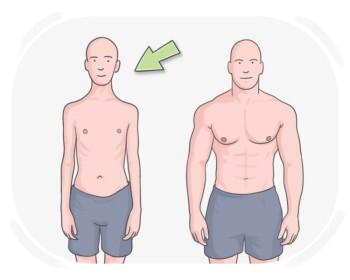
a state of extreme thinness and weakness, often due to illness, starvation, etc.

utmärgling,  extrem magerhet

utmärgling, extrem magerhet

Ex: Historical photos from the famine showed widespread emaciation among the population. 

Historiska foton från svälten visade utbredd utmärgling bland befolkningen.

Stäng
Logga in
agony
agony
[Substantiv]

severe physical or mental pain

plåga, lidande

plåga, lidande

Ex: Individuals with kidney stones often describe the episodes as moments of intense agony. 
Stäng
Logga in
coma
coma
[Substantiv]

a state of deep unconsciousness, typically of a long duration and caused by a serious injury or severe illness

koma, komatillstånd

koma, komatillstånd

Ex: He emerged from a coma but struggled with memory loss. 

Han vaknade ur en koma men kämpade med minnesförlust.

Stäng
Logga in
superspreader
superspreader
[Substantiv]

someone who spreads a contagious disease to a very large number of people

superspridare, superkontaminatör

superspridare, superkontaminatör

Stäng
Logga in
symptom
symptom
[Substantiv]

a change in the normal condition of the body of a person, which is the sign of a disease

symptom
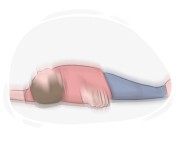
symptom

Ex: Fever is a common symptom of many infections. 
Stäng
Logga in
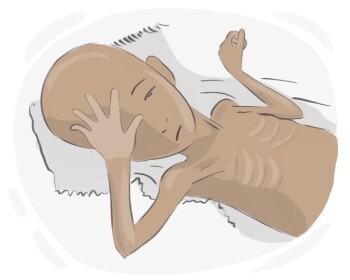
unconsciousness
unconsciousness
[Substantiv]

the state of not being awake or aware of one's surroundings

medvetslöshet, tillstånd av medvetslöshet

medvetslöshet, tillstånd av medvetslöshet

Ex: The victim’s unconsciousness lasted several hours before he regained awareness. 

Offrets medvetslöshet varade i flera timmar innan han återfick medvetandet.
Stäng
Logga in
undernourishment
undernourishment
[Substantiv]

a condition in which individuals do not receive enough nutrients and calories, leading to various health problems such as stunted growth

undernäring, brist på näring

undernäring, brist på näring

Ex: Undernourishment is a significant public health challenge in some developing countries. 

Undernäring är en betydande folkhälsoutmaning i vissa utvecklingsländer.

Stäng
Logga in
upset
upset
[Substantiv]

a health problem that disrupts the normal functioning of the stomach

magsjuka, magbesvär

magsjuka, magbesvär

Ex: The medicine may cause mild stomach upset. 
Stäng
Logga in
red zone
red zone
[Substantiv]

an area with a high number of infected people where strict public health rules are applied to control the spread of infection

röd zon, högriskområde

röd zon, högriskområde

Ex: The school decided to temporarily close its doors and transition to online learning as the community entered the red zone due to a significant outbreak. 

Skolan beslöt att tillfälligt stänga sina dörrar och övergå till onlineinlärning när samhället gick in i den röda zonen på grund av ett betydande utbrott.

Stäng
Logga in
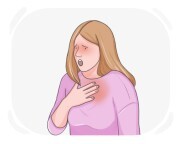
relapse
relapse
[Substantiv]

‌the return of symptoms or a condition after a period of improvement or recovery

återfall

återfall

Ex: The athlete's injury healed well initially, but unfortunately, there was a relapse, and they had to undergo further treatment. 

Atletens skada läkte väl initialt, men tyvärr inträffade en återfall, och de var tvungna att genomgå ytterligare behandling.
Stäng
Logga in
seizure
seizure
[Substantiv]

a sudden and unexpected start or return of a medical problem

anfall

anfall

Ex: Despite taking precautions, he still experienced seizures from time to time, which made daily life challenging. 

Trots försiktighetsåtgärder upplevde han fortfarande anfall då och då, vilket gjorde vardagen utmanande.

Stäng
Logga in
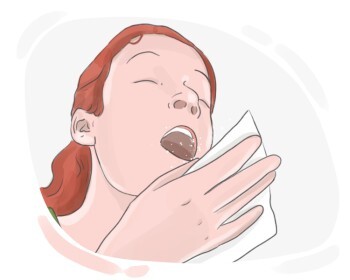
shake
shake
[Substantiv]

a reflexive movement of the body or part of it caused by cold, fear, or excitement

skakning, darrning
skakning, darrning

Ex: She felt a shake of excitement as she opened the letter. 
Stäng
Logga in
sneeze
sneeze
[Substantiv]

the act of blowing air out of your nose and mouth in a forceful way

nysning, nysa

nysning, nysa

Ex: The pepper made me have a big sneeze. 

Pepparen fick mig att nysa stort.

Stäng
Logga in
cyst
cyst
[Substantiv]

a growth with abnormal features that appears in the body and contains fluid

cysta

cysta

Stäng
Logga in
debility
debility
[Substantiv]

physical weakness that is caused by a disease or aging

svaghet, fysisk svaghet

svaghet, fysisk svaghet

Ex: The disease progressed, leading to increasing debility and a decline in overall physical functioning. 

Sjukdomen fortskred, vilket ledde till ökande svaghet och en nedgång i den övergripande fysiska funktionen.

Stäng
Logga in
clean bill of health

a doctor's report stating that the patient is in good physical or mental health

Ex: US President Joe Biden got the clean bill of health on Friday after a detailed physical examination. 
Stäng
Logga in
LanGeek
Ladda ner LanGeek app