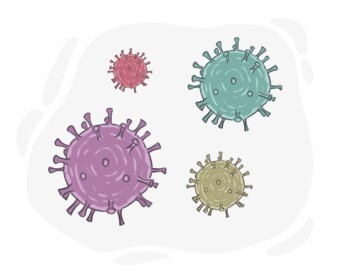
pattern

Vocabolario per IELTS (Accademico) - Biologia

Qui imparerai alcune parole inglesi sulla biologia, come "ciclo", "gene", "fertile", ecc. che sono necessarie per l'esame IELTS.

Revisione

Flashcard

Ortografia

Quiz

Inizia a imparare
Words for Academic IELTS
biology
biology
[sostantivo]

the scientific study of living organisms; the science that studies living organisms

biologia

biologia

Ex: Understanding biology is crucial for addressing environmental and health-related challenges. 

Comprendere la biologia è cruciale per affrontare le sfide ambientali e legate alla salute.

Chiudi
Accedi
biologist
biologist
[sostantivo]

a person who studies the science that deals with living organisms

biologist
biologist

Ex: The biologist worked in the lab to conduct experiments on how certain bacteria affect the human immune system. 
Chiudi
Accedi
cycle
cycle
[sostantivo]

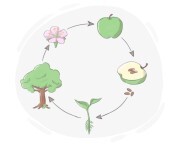
(biology) a series of transformations and events that happen in an animal or plant's lifetime

ciclo

ciclo

Ex: The butterfly's life cycle includes stages from egg to caterpillar to adult. 
Chiudi
Accedi
to divide
to divide
[Verbo]

to separate people or things into two or more groups, parts, etc.

dividere

dividere

Ex: The politician's speech divided public opinion on the issue. 
Chiudi
Accedi
bacteria
bacteria
[sostantivo]

(microbiology) single-celled microorganisms that can be found in various environments, including soil, water, and living organisms, and can be beneficial, harmful, or neutral

batteri

batteri

Ex: Proper handwashing helps prevent the spread of bacteria and viruses. 

Un corretto lavaggio delle mani aiuta a prevenire la diffusione di batteri e virus.
Chiudi
Accedi
cell
cell
[sostantivo]

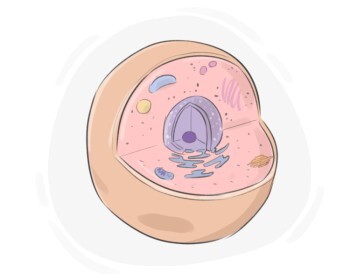
an organism's smallest unit, capable of functioning on its own

cellula

cellula

Ex: The human body is made up of trillions of cells. 
Chiudi
Accedi
DNA
DNA
[sostantivo]

(biochemistry) a chemical substance that carries the genetic information, which is present in every cell and some viruses

DNA

DNA

Ex: DNA contains the instructions for building proteins in the body. 
Chiudi
Accedi
biological
biological
[aggettivo]

relating to biology or the scientific study of living organisms

biologico

biologico

Ex: Daniel became interested in biological research while studying at college. 
Chiudi
Accedi
evolution
evolution
[sostantivo]

the process by which populations of living organisms change genetically across successive generations

evoluzione

evoluzione

Ex: Genetic evidence has revealed important details about human evolution. 
Chiudi
Accedi
to evolve
to evolve
[Verbo]

to change genetically across generations through the process of evolution

evolvere,  evolversi

evolvere, evolversi

Ex: Scientists are studying how these insects evolved in response to environmental changes. 
Chiudi
Accedi
genetic
genetic
[aggettivo]

(of diseases) passed on from one's parents

genetico

genetico

Chiudi
Accedi
gene
gene
[sostantivo]

(genetics) a basic unit of heredity and a sequence of nucleotides in DNA that is located on a chromosome in a cell and controls a particular quality

gene

gene

Ex: The study revealed that some genes could influence intelligence. 
Chiudi
Accedi
genetics
genetics
[sostantivo]

the branch of biology that deals with how individual features and different characteristics are passed through genes

genetica

genetica

Ex: Modern techniques in genetics allow for the editing of genes in living organisms. 

Le moderne tecniche della genetica consentono la modifica dei geni negli organismi viventi.

Chiudi
Accedi
germ
germ
[sostantivo]

a microscopic organism, especially one that causes disease

germe
germe

Ex: Don't drink from that cup; you'll swap germs with your brother. 
Chiudi
Accedi
nerve
nerve
[sostantivo]

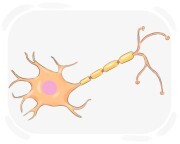
a bundle of fibers that carries signals between the brain or spinal cord and other parts of the body

nervo

nervo

Ex: A trapped nerve can cause pain that spreads down the leg. 
Chiudi
Accedi
organism
organism
[sostantivo]

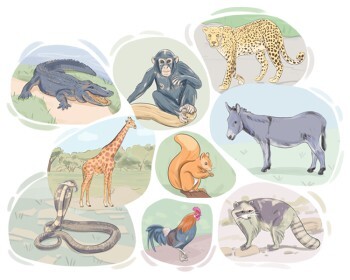
an individual living thing, such as an animal, plant, fungus, or bacterium

organismo
organismo

Ex: The parasite depends on another organism for food and shelter. 
Chiudi
Accedi
species
species
[sostantivo]

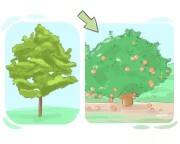
a group that animals, plants, etc. of the same type which are capable of producing healthy offspring with each other are divided into

specie

specie

Ex: The monarch butterfly is a species of butterfly that migrates thousands of miles each year. 

La farfalla monarca è una specie di farfalla che migra per migliaia di miglia ogni anno.
Chiudi
Accedi
fertile
fertile
[aggettivo]

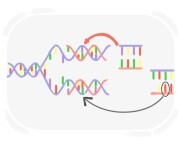
(of an animal, person, or plant) able to produce offspring, fruit, or seed

fertile

fertile

Ex: The fertile land near the river produces abundant harvests each year. 

La terra fertile vicino al fiume produce raccolti abbondanti ogni anno.
Chiudi
Accedi
mutation
mutation
[sostantivo]

(biology) a change in the structure of the genes of an individual that causes them to develop different physical features

mutazione

mutazione

Ex: Scientists are studying the mutation responsible for giving certain plants drought resistance. 

Gli scienziati stanno studiando la mutazione responsabile di conferire a certe piante la resistenza alla siccità.

Chiudi
Accedi
organic
organic
[aggettivo]

relating to chemical compounds that contain carbon

organico

organico

Ex: The reaction produces several organic products. 
Chiudi
Accedi
metabolism
metabolism
[sostantivo]

the chemical processes through which food is changed into energy for the body to use

metabolismo

metabolismo

Ex: Metabolism slows down with age, leading to changes in energy levels and body composition. 
Chiudi
Accedi
to reproduce

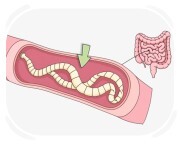
to produce offspring or new individuals of the same kind

riprodurre
riprodurre

Ex: The researchers studied how the species reproduces in the wild. 
Chiudi
Accedi
parasite
parasite
[sostantivo]

(biology) a small organism that lives on or inside another organism, called a host, and is dependent on it for nutrition and growth

parassita
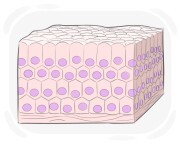
parassita

Ex: The relationship between the host and the parasite is often detrimental to the host, as the parasite exploits its resources for survival and reproduction. 
Chiudi
Accedi
tissue
tissue
[sostantivo]

a group of similar cells that work together to form a particular part of a human, animal, or plant

tessuto

tessuto

Ex: The disease can affect healthy brain tissue. 
Chiudi
Accedi
antibody
antibody
[sostantivo]

a protein produced by the immune system that recognizes and helps neutralize harmful substances such as bacteria and viruses

anticorpo

anticorpo

Ex: Some antibodies remain in the body long after an infection has ended. 
Chiudi
Accedi
dominant
dominant
[aggettivo]

(of genes) causing a person to inherit a particular physical feature, even if it is only present in one parent's genome

dominante

dominante

Ex: The dominant gene responsible for dimples appears in many family members. 
Chiudi
Accedi
genetic engineering

the science or process of deliberately modifying the features of a living organism by changing its genetic information

ingegneria genetica

ingegneria genetica

Ex: Genetic engineering in medicine has led to the development of personalized therapies that target specific genetic mutations in patients. 

L'ingegneria genetica in medicina ha portato allo sviluppo di terapie personalizzate che prendono di mira specifiche mutazioni genetiche nei pazienti.

Chiudi
Accedi
male
male
[aggettivo]

belonging to the sex that cannot give birth to babies or lay eggs but is capable of fertilization of the opposite sex

maschile
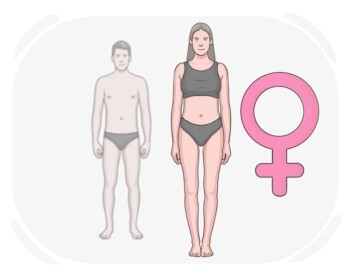
maschile

Ex: The male elephant's tusks and larger size were indicative of his maturity and dominance within the herd. 
Chiudi
Accedi
female
female
[aggettivo]

belonging to the sex that is fertilized by the opposite sex and can lay eggs or give birth to babies

feminile
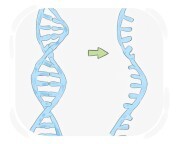
feminile

Ex: Tim marveled at the female monarch butterfly's delicate wings as it fluttered among the flowers. 
Chiudi
Accedi
RNA
RNA
[sostantivo]

(biochemistry) a chemical substance that carries the information from DNA to control the cellular protein biosynthesis

RNA

RNA

Ex: Scientists edited the RNA to correct a cellular malfunction. 

Gli scienziati hanno modificato l'RNA per correggere un malfunzionamento cellulare.

Chiudi
Accedi
virus
virus
[sostantivo]

an infectious agent that reproduces only inside living cells and can cause disease

virus

virus

Ex: Doctors confirmed that a virus was responsible for the outbreak. 
Chiudi
Accedi
LanGeek
Scarica l'app LanGeek