pattern

Словарный Запас для IELTS (Академический) - Биология

Здесь вы выучите некоторые английские слова о биологии, такие как "цикл", "ген", "плодородный" и т.д., которые необходимы для экзамена IELTS.

Обзор

Флэш-карточки

Правописание

Тест

Начать учиться
Words for Academic IELTS
biology
biology
[существительное]

the scientific study of living organisms; the science that studies living organisms

биология

биология

Ex: She developed a keen interest in biology and decided to pursue a career in medicine. 

Она проявила живой интерес к биологии и решила сделать карьеру в медицине.

Закрыть
Войти
biologist
biologist
[существительное]

a person who studies the science that deals with living organisms

биолог
биолог

Ex: The biologist spent years researching the behavior of dolphins in the wild to better understand their social structures. 
Закрыть
Войти
cycle
cycle
[существительное]

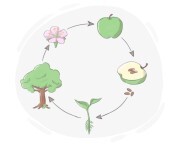
(biology) a series of transformations and events that happen in an animal or plant's lifetime

цикл

цикл

Ex: The butterfly's life cycle includes several distinct stages. 
Закрыть
Войти
to divide
to divide
[глагол]

to separate people or things into two or more groups, parts, etc.

разделять

разделять

Ex: The teacher divides the class into small groups for a project. 
Закрыть
Войти
bacteria
bacteria
[существительное]

(microbiology) single-celled microorganisms that can be found in various environments, including soil, water, and living organisms, and can be beneficial, harmful, or neutral

бактерия

бактерия

Ex: Bacteria play a crucial role in the decomposition of organic matter in the ecosystem. 

Бактерии играют ключевую роль в разложении органического вещества в экосистеме.
Закрыть
Войти
cell
cell
[существительное]

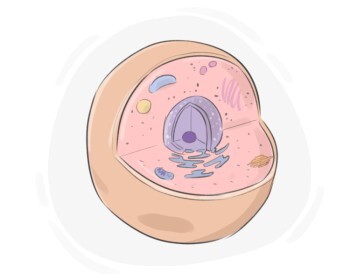
an organism's smallest unit, capable of functioning on its own

клетка

клетка

Ex: The study of cells, known as cell biology or cytology, delves into their structure, function, and interactions. 
Закрыть
Войти
DNA
DNA
[существительное]

(biochemistry) a chemical substance that carries the genetic information, which is present in every cell and some viruses

ДНК, дезоксирибонуклеиновая кислота

ДНК, дезоксирибонуклеиновая кислота

Ex: DNA contains the instructions needed for growth and development. 
Закрыть
Войти
biological
biological
[прилагательное]

relating to biology or the scientific study of living organisms

биологический

биологический

Ex: Maria is conducting biological research on marine organisms. 
Закрыть
Войти
evolution
evolution
[существительное]

the process by which populations of living organisms change genetically across successive generations

эволюция

эволюция

Ex: Evolution explains how populations of organisms change over many generations. 
Закрыть
Войти
to evolve
to evolve
[глагол]

to change genetically across generations through the process of evolution

эволюционировать

эволюционировать

Ex: Bacteria can evolve resistance to antibiotics. 
Закрыть
Войти
genetic
genetic
[прилагательное]

(of diseases) passed on from one's parents

генетический

генетический

Закрыть
Войти
gene
gene
[существительное]

(genetics) a basic unit of heredity and a sequence of nucleotides in DNA that is located on a chromosome in a cell and controls a particular quality

ген

ген

Ex: Scientists identified a gene linked to the inherited disorder. 
Закрыть
Войти
genetics
genetics
[существительное]

the branch of biology that deals with how individual features and different characteristics are passed through genes

генетика

генетика

Ex: Understanding genetics helps scientists explore how diseases are passed through families. 

Понимание генетики помогает ученым исследовать, как болезни передаются через семьи.

Закрыть
Войти
germ
germ
[существительное]

a microscopic organism, especially one that causes disease

микроб
микроб

Ex: Make sure you wash your hands after riding the subway to get rid of any germs. 
Закрыть
Войти
nerve
nerve
[существительное]

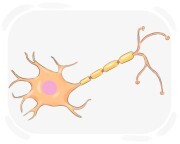
a bundle of fibers that carries signals between the brain or spinal cord and other parts of the body

нерв

нерв

Ex: The injury damaged a nerve in Daniel's left arm. 
Закрыть
Войти
organism
organism
[существительное]

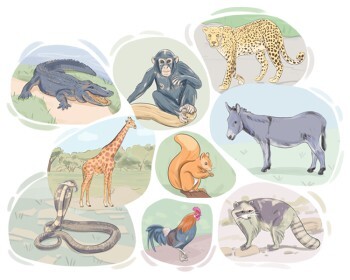
an individual living thing, such as an animal, plant, fungus, or bacterium

организм
организм

Ex: Every organism needs suitable conditions in order to survive. 
Закрыть
Войти
species
species
[существительное]

a group that animals, plants, etc. of the same type which are capable of producing healthy offspring with each other are divided into

виды

виды

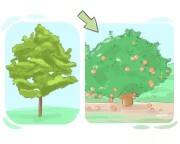
Ex: The Galapagos finches are a classic example of how different species can evolve from a common ancestor. 

Галапагосские вьюрки — это классический пример того, как разные виды могут эволюционировать от общего предка.
Закрыть
Войти
fertile
fertile
[прилагательное]

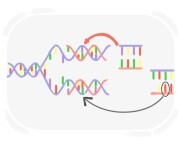
(of an animal, person, or plant) able to produce offspring, fruit, or seed

плодородный, плодовитый

плодородный, плодовитый

Ex: The fertile soil allowed the farmers to grow a variety of crops. 

Плодородная почва позволила фермерам выращивать различные культуры.
Закрыть
Войти
mutation
mutation
[существительное]

(biology) a change in the structure of the genes of an individual that causes them to develop different physical features

мутация

мутация

Ex: Due to a mutation in his genes, the child was born with blue eyes, even though both parents had brown eyes. 

Из-за мутации в его генах ребенок родился с голубыми глазами, хотя у обоих родителей были карие глаза.

Закрыть
Войти
organic
organic
[прилагательное]

relating to chemical compounds that contain carbon

органический

органический

Ex: Methane is a simple organic compound. 
Закрыть
Войти
metabolism
metabolism
[существительное]

the chemical processes through which food is changed into energy for the body to use

обмен веществ

обмен веществ

Ex: Metabolism involves various biochemical reactions that convert nutrients from food into energy. 
Закрыть
Войти
to reproduce
to reproduce
[глагол]

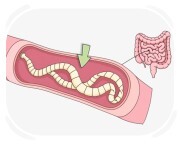
to produce offspring or new individuals of the same kind

размножаться
размножаться

Ex: Rabbits can reproduce several times a year. 
Закрыть
Войти
parasite
parasite
[существительное]

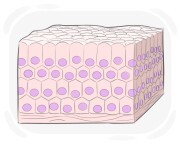
(biology) a small organism that lives on or inside another organism, called a host, and is dependent on it for nutrition and growth

паразит
паразит

Ex: The mosquito is a well-known parasite that feeds on the blood of its host, often transmitting diseases in the process. 
Закрыть
Войти
tissue
tissue
[существительное]

a group of similar cells that work together to form a particular part of a human, animal, or plant

ткань

ткань

Ex: Muscle tissue can be damaged by a serious injury. 
Закрыть
Войти
antibody
antibody
[существительное]

a protein produced by the immune system that recognizes and helps neutralize harmful substances such as bacteria and viruses

антитело

антитело

Ex: The body produces antibodies to fight certain infections. 
Закрыть
Войти
dominant
dominant
[прилагательное]

(of genes) causing a person to inherit a particular physical feature, even if it is only present in one parent's genome

доминантный

доминантный

Ex: A dominant gene can determine a trait even when only one copy is present. 
Закрыть
Войти
genetic engineering
genetic engineering
[существительное]

the science or process of deliberately modifying the features of a living organism by changing its genetic information

генетическая инженерия

генетическая инженерия

Ex: Genetic engineering has enabled scientists to create crops that are resistant to pests and diseases, improving agricultural yields. 

Генная инженерия позволила ученым создавать культуры, устойчивые к вредителям и болезням, повышая урожайность.

Закрыть
Войти
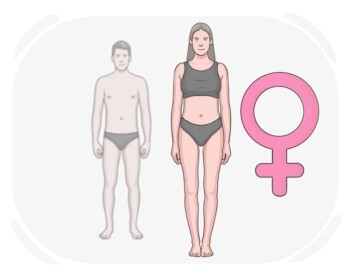
male
male
[прилагательное]

belonging to the sex that cannot give birth to babies or lay eggs but is capable of fertilization of the opposite sex

мужской
мужской

Ex: The male lion's mane and larger size distinguish him from the female lion. 
Закрыть
Войти
female
female
[прилагательное]

belonging to the sex that is fertilized by the opposite sex and can lay eggs or give birth to babies

женский
женский

Ex: The female bird incubates the eggs while the male gathers food. 
Закрыть
Войти
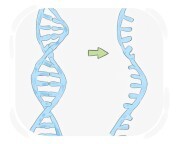
RNA
RNA
[существительное]

(biochemistry) a chemical substance that carries the information from DNA to control the cellular protein biosynthesis

РНК

РНК

Ex: RNA transcribes genetic information from DNA to guide protein production. 

РНК транскрибирует генетическую информацию из ДНК для руководства производством белков.
Закрыть
Войти
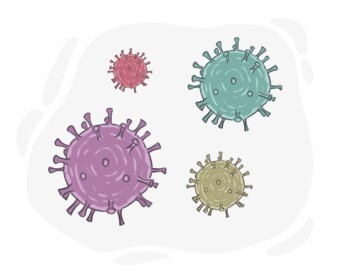
virus
virus
[существительное]

an infectious agent that reproduces only inside living cells and can cause disease

вирус

вирус

Ex: The virus spreads mainly through close contact with an infected person. 
Закрыть
Войти
LanGeek
Скачать приложение LanGeek