pattern

法律と規制 - 刑法と裁判

レビュー

フラッシュカード

語形

綴り

クイズ

学習を開始
Words Related to Law and Regulation
charge
charge
[名詞]

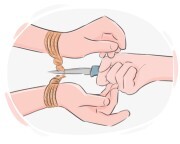
an accusation against a person who is on trial

告発,  起訴
告発, 起訴

Ex: The charge of fraud led to a lengthy investigation and trial. 
to discharge
to discharge
[動詞]

to officially release someone from legal custody, confinement, or a court proceeding

釈放する,  解放する

釈放する, 解放する

Ex: The judge discharged the defendant without imposing a sentence. 
to find
to find
[動詞]

(of a law court) to make an official decision

判決を下す, 決定する

判決を下す, 決定する

Ex: Did the court find the defendant guilty or not guilty? 
to find against

to declare someone guilty or make a decision against someone in a court case

有罪を宣告する、反対の判決を下す

有罪を宣告する、反対の判決を下す

Ex: The court found against the defendant. 

裁判所は被告に不利な判決を下した.

to find for
to find for
[動詞]

to declare someone right or innocent in a court of law case

無罪を宣言する, 無罪と見なす

無罪を宣言する, 無罪と見なす

Ex: The court found for the plaintiff. 

裁判所は原告に有利な判決を下した.

finding
finding
[名詞]

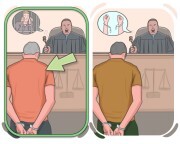
a judgment or decision reached by a court regarding matters of fact or law

判決, 決定
判決, 決定

Ex: Legal findings are recorded in the case file. 
guilty
guilty
[形容詞]

responsible for an illegal act or wrongdoing

有罪の, 責任がある

有罪の, 責任がある

Ex: He pleaded guilty to the charges in court. 

彼は裁判所で罪状を有罪と認めた。

wrongful
wrongful
[形容詞]

having no legal right or claim

不法な, 不当な

不法な, 不当な

Ex: He made a wrongful claim to the property. 

彼は財産に対して不当な請求をした。

innocent
innocent
[形容詞]

not guilty of a crime, offense, or wrongdoing
Ex: The jury found Emma innocent of all charges. 
judge
judge
[名詞]

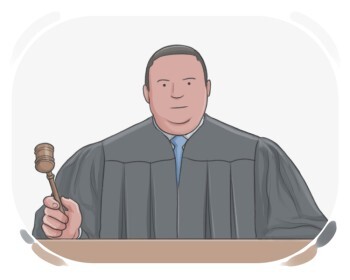
the official in charge of a court who decides on legal matters

裁判官, 判事

裁判官, 判事

Ex: The judge sentenced the defendant to five years in prison for their crimes. 
judgment
judgment
[名詞]

the decision of a judge or law court

判決, 決定
判決, 決定

Ex: The judgment set a legal precedent for future cases involving similar issues. 
judicial
judicial
[形容詞]

belonging or appropriate for a court, a judge, or the administration of justice

司法の

司法の

Ex: The judicial branch of government oversees the interpretation and application of laws through courts and judges. 

政府の司法部門は、裁判所と裁判官を通じて法律の解釈と適用を監督します。

jurisdiction
jurisdiction
[名詞]

the legal authority of a court, government, or official organization to make decisions and judgments

管轄権,  裁判権

管轄権, 裁判権

Ex: The court ruled that it had no jurisdiction over the case. 
justiciary
justiciary
[名詞]

the process of administering justice or carrying out legal judgments

司法の執行, 司法機関

司法の執行, 司法機関

Ex: The justiciary must be fair and impartial. 

司法は公正で公平でなければならない。

majority verdict

(law) a decision supported or made by a jury that most of the people, but not all agree with

多数決評決, 多数決決定

多数決評決, 多数決決定

Ex: The jury reached a majority verdict after hours of deliberation. 

陪審員は数時間の審議の後、多数決評決に達しました。

to pardon
to pardon
[動詞]

to officially forgive someone for a crime and cancel or reduce the legal punishment

赦免する,  許す

赦免する, 許す

Ex: The governor pardoned the prisoner after reviewing the case. 
to prosecute
to prosecute
[動詞]

to try to charge someone officially with a crime in a court as the lawyer of the accuser

起訴する, 告訴する

起訴する, 告訴する

Ex: The lawyer was hired to prosecute the case on behalf of the victim’s family. 

弁護士は被害者の家族に代わって事件を起訴するために雇われました。

prosecution
prosecution
[名詞]

the legal process of officially accusing someone of a crime and trying to prove their guilt in court

起訴,  訴追

起訴, 訴追

Ex: The driver could face prosecution for leaving the scene of the accident. 
to rule
to rule
[動詞]

to officially declare or state something as true, especially in a legal or authoritative manner

裁定する, 決定する

裁定する, 決定する

Ex: The judge ruled that the contract was invalid due to lack of consent. 
ruling
ruling
[名詞]

a decision made by someone with official power, particularly a judge

決定, 判決

決定, 判決

Ex: Citizens protested against the government's ruling to increase taxes without public consultation. 
to try
to try
[動詞]

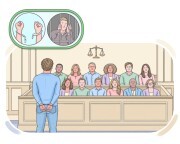
to put a person on trial or investigate a case in a trial

裁判にかける, 審理する
裁判にかける, 審理する

Ex: He was tried for theft and sentenced to two years in prison. 
verdict
verdict
[名詞]

the formal decision reached by a jury in a court case

Ex: The jury returned a guilty verdict. 
bail
bail
[名詞]

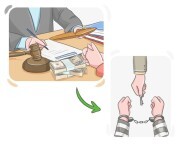
an amount of money that must be paid in order for someone who is accused of a crime to be released until their trial

保釈金, 保釈
保釈金, 保釈

Ex: The judge set bail at $10,000 for the defendant's release from jail before the trial. 
to bail out
to bail out
[動詞]

to pay money to the court to release someone from custody until their trial

保釈金を払って釈放させる, 保釈金を払って一時釈放させる

保釈金を払って釈放させる, 保釈金を払って一時釈放させる

Ex: We're trying to find ways to bail out the community leader arrested during the demonstration. 

私たちは、デモ中に逮捕されたコミュニティリーダーを保釈する方法を模索しています。

cross-examination

the questioning of a witness by the opposing lawyer in court

反対尋問, クロス尋問

反対尋問, クロス尋問

Ex: The lawyer began the cross-examination. 

弁護士は反対尋問を始めた。

to cross examine

to question a witness in court by the opposing lawyer to test their testimony

反対尋問する, 相手側弁護士が証人を尋問する

反対尋問する, 相手側弁護士が証人を尋問する

Ex: The lawyer will cross-examine the witness tomorrow. 

弁護士は明日、証人を反対尋問します。

to defend
to defend
[動詞]

to represent a person who is on trial

弁護する,  代表する

弁護する, 代表する

Ex: The team of lawyers was tasked with defending the corporation in a major lawsuit. 
defense
defense
[名詞]

the person on trial and their legal team representing them in court

弁護側, 防御側
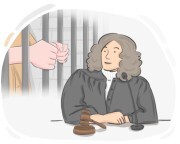
弁護側, 防御側

Ex: Negotiations between the defense and prosecution took hours. 
to convict
to convict
[動詞]

to officially find someone guilty of a crime in a court of law

有罪判決を下す

有罪判決を下す

Ex: The jury convicted Michael of fraud after a three-week trial. 
conviction
conviction
[名詞]

a court's formal judgment that someone is guilty of a crime

有罪判決

有罪判決

Ex: The prosecutor secured a conviction after presenting the new evidence. 
parole
parole
[名詞]

(law) the permission for a prisoner to leave prison before the end of their imprisonment sentence, on the condition of good conduct

仮釈放

仮釈放

Ex: After serving half of his sentence in prison, the inmate was eligible for parole, subject to certain conditions and supervision. 

刑期の半分を刑務所で服役した後、その受刑者は一定の条件と監督の下で仮釈放の資格を得た。

legal action
legal action
[名詞]

a process in court where one person or group sues or takes a case against another

法的措置, 訴訟

法的措置, 訴訟

Ex: The company took legal action against the contractor. 

会社は請負業者に対して法的措置を取った。

to deport
to deport
[動詞]

to force a foreigner to leave a country, usually because they have broken the law

強制送還する, 国外退去させる

強制送還する, 国外退去させる

Ex: The immigration officers deport undocumented immigrants who are found living in the country illegally. 

入国管理官は、不法に国内に住んでいることが判明した不法移民を強制送還する。

to uphold
to uphold
[動詞]

(particularly of a law court) to state that a previous decision is correct

確認する, 維持する

確認する, 維持する

Ex: The Supreme Court decided to uphold the lower court's ruling, affirming the original verdict. 

最高裁判所は下級裁判所の判決を支持することを決定し、元の判決を確認しました。

LanGeek
LanGeekアプリをダウンロード