pattern

自然科学 SAT - 電磁気学と力学

ここでは、SATを突破するために必要な「トルク」、「アノード」、「回路」など、電磁気学と力学に関連するいくつかの英語の単語を学びます。

レビュー

フラッシュカード

綴り

クイズ
学習を開始
SAT Vocabulary for Natural Sciences
voltage
voltage
[名詞]

the measure of electric potential difference between two points in a circuit, expressed in volts

電圧, ボルテージ

電圧, ボルテージ

Ex: Measure the voltage between the two ends of the resistor. 
resistor
resistor
[名詞]

an electrical component designed to limit or control the flow of electric current in a circuit, typically by providing resistance

抵抗器, レジスタ

抵抗器, レジスタ

Ex: In electronic circuits, resistors are commonly used to regulate the flow of current and protect sensitive components. 
circuit
circuit
[名詞]

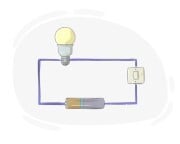
the complete circle through which an electric current flows, typically consists of the source of electric energy

回路

回路

Ex: The electrical circuit is designed to power the light bulb when the switch is turned on. 
semiconductor

a solid substance that conducts electricity or heat better than insulators, but not as well as most metals

半導体, セミコンダクター

半導体, セミコンダクター

superconductivity

a phenomenon where certain materials conduct electricity without resistance when cooled to extremely low temperatures

超伝導, 超伝導性

超伝導, 超伝導性

Ex: Scientists are researching new materials to achieve superconductivity at higher temperatures. 
to electrify
to electrify
[動詞]

to apply an electric charge to a conductor

充電する, 電気を帯びさせる

充電する, 電気を帯びさせる

Ex: The technician used a special device to electrify the metal rod for the experiment. 
electrode
electrode
[名詞]

a conductor through which electricity travels to or from an object, such as batteries

電極, 電気伝導体

電極, 電気伝導体

static electricity

a form of electricity generated by friction between two materials, resulting in an imbalance of electric charges on their surfaces

静電気, 静電

静電気, 静電

Ex: When you shuffle your feet on a carpet, static electricity builds up, causing a shock when you touch a doorknob. 
rechargeable
rechargeable
[形容詞]

(of a battery or device) capable of being supplied with electrical power again

充電可能な, 再充電可能な

充電可能な, 再充電可能な

Ex: The flashlight runs on rechargeable batteries. 
generator
generator
[名詞]

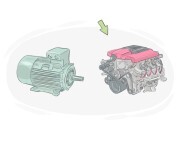
a machine that produces electricity by converting mechanical energy into electrical energy

発電機, オルタネーター

発電機, オルタネーター

Ex: The hydroelectric generator harnesses the power of flowing water to produce electricity for nearby communities. 
anode
anode
[名詞]

a positively charged electrode in an electrical device where oxidation occurs, resulting in the release of electrons

陽極, 正極

陽極, 正極

Ex: The anode of the X-ray tube emits electrons when heated, producing X-rays for medical imaging. 
cathode
cathode
[名詞]

a negatively charged electrode within an electrical device, from which electrons flow out into the external circuit

カソード, 負極

カソード, 負極

Ex: The cathode of the battery supplies electrons to the external circuit when the device is in use. 
solar cell
solar cell
[名詞]

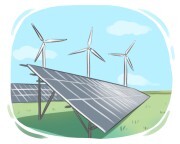
a device that converts the energy of the sun into electricity

太陽電池, 光起電力セル

太陽電池, 光起電力セル

Ex: A solar cell, also known as a photovoltaic cell, converts sunlight directly into electricity. 
solar irradiance

the amount of solar energy received per unit area on Earth's surface

太陽放射, 太陽エネルギー

太陽放射, 太陽エネルギー

radiation
radiation
[名詞]

energy transmitted through space or matter in the form of waves or particles

放射, 放射線

放射, 放射線

Ex: The sun emits radiation that warms the Earth. 
photovoltaic
photovoltaic
[形容詞]

related to the technology that turns sunlight directly into electricity

光起電力の, 太陽光を直接電気に変換する技術に関する

光起電力の, 太陽光を直接電気に変換する技術に関する

Ex: Solar panels use photovoltaic cells to convert sunlight into electricity. 
electromagnetic
electromagnetic
[形容詞]

referring to the combined interaction of electric and magnetic fields, often associated with waves or radiation

電磁気の, 電磁場に関連する

電磁気の, 電磁場に関連する

Ex: Light is an electromagnetic wave that can travel through a vacuum. 
magnetic field

an invisible area around a magnetic object where magnetic forces can attract or repel other objects

磁場, 磁気領域

磁場, 磁気領域

Ex: The Earth has a magnetic field that helps guide the navigation of compasses. 
lever
lever
[名詞]

a long rigid bar that is put under a heavy object in order to move it

レバー, バール

レバー, バール

Ex: He used a lever to lift the heavy rock from the ground. 
fulcrum
fulcrum
[名詞]

a point or support on which a lever pivots or rotates in order to lift or move objects

支点, てこ

支点, てこ

Ex: The plank acted as a fulcrum for the seesaw, allowing the children to take turns going up and down. 
vibration
vibration
[名詞]

the rapid back-and-forth movement of an object

振動, 揺れ

振動, 揺れ

Ex: The vibration of the phone on the table alerted her to an incoming call. 
torque
torque
[名詞]

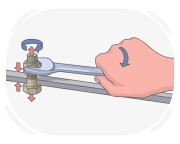
a rotational force measured in newton-meters or foot-pounds

トルク, 回転力

トルク, 回転力

Ex: The wrench applied torque to loosen the stubborn nut on the bolt. 
spring constant

a measure of a spring's stiffness, indicating how much force is needed to stretch or compress it

ばね定数, ばねの剛性

ばね定数, ばねの剛性

counterweight

a mass used to provide balance to another mass

釣り合いおもり, バランスウェイト

釣り合いおもり, バランスウェイト

Ex: The elevator uses a counterweight to help lift and lower the car smoothly. 
supersonic
supersonic
[形容詞]

having a speed greater than that of sound

超音速の, 超音波の

超音速の, 超音波の

Ex: The fighter jet can travel at supersonic speeds, making it highly agile in aerial combat. 
acceleration
acceleration
[名詞]

(physics) the increase in velocity over time

加速度, 速度の増加

加速度, 速度の増加

Ex: Acceleration measures how quickly an object's speed changes. 
terminal velocity

the constant speed reached by a falling object when the drag force equals the gravitational force pulling it downward, resulting in no further acceleration

終端速度, 終速度

終端速度, 終速度

Ex: Skydivers reach terminal velocity during their freefall before deploying their parachutes. 
aviation
aviation
[名詞]

the study of the design, development, and operation of aircrafts, focusing on principles of aerodynamics, propulsion, and material science

航空, 航空学

航空, 航空学

hydraulics
hydraulics
[名詞]

a branch of science and engineering that deals with the mechanical properties of liquids, particularly their behavior in confined spaces and under pressure

油圧, 流体力学

油圧, 流体力学

Ex: Many agricultural implements, like tractors and plows, use hydraulics for performing various tasks on the field. 
robotics
robotics
[名詞]

an area of technology that is concerned with the study or use of robots

ロボティクス, ロボットの科学

ロボティクス, ロボットの科学

gravity
gravity
[名詞]

(physics) the universal force of attraction between any pair of objects with mass

重力

重力

Ex: Gravity is what keeps the planets in orbit around the Sun and the Moon in orbit around the Earth. 
LanGeek
LanGeekアプリをダウンロード