pattern

Cambridge IELTS 18 - アカデミック - テスト 3 - 読解 - パッセージ 1 (2)

ここでは、Cambridge IELTS 18 - AcademicコースブックのTest 3 - Reading - Passage 1 (2)からの語彙を見つけることができます。これであなたのIELTS試験の準備を助けます。

レビュー

フラッシュカード

語形

綴り

クイズ
学習を開始
Cambridge IELTS 18 - Academic
to factor in
to factor in
[動詞]

to take into consideration, particularly in decision making

考慮に入れる, 計算に入れる
考慮に入れる, 計算に入れる

Ex: When planning the budget, be sure to factor in unexpected expenses to ensure financial stability. 
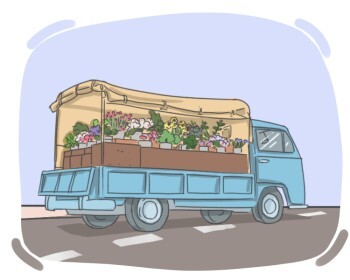
to ship
to ship
[動詞]

to send goods or individuals from one place to another using some form of transportation

送る, 出荷する
送る, 出荷する

Ex: The company decided to ship the products overseas to meet the growing demand in international markets. 
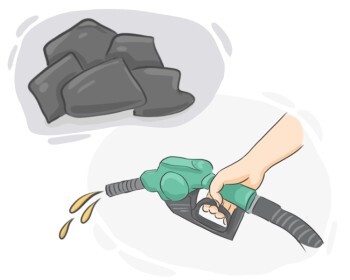
fossil fuel
fossil fuel
[名詞]

a fuel that is found in nature and obtained from the remains of plants and animals that died millions of years ago, such as coal and gas

化石燃料, 化石エネルギー

化石燃料, 化石エネルギー

Ex: Burning fossil fuels releases carbon dioxide into the atmosphere. 
to [make] sense

to be understandable in a way that is reasonable

Ex: Her explanation didn't make sense to me; I couldn't understand why she made that decision. 
perspective
perspective
[名詞]

a specific manner of considering something

視点, 観点

視点, 観点

Ex: From a historical perspective, the Renaissance marked a period of great cultural advancement. 
promising
promising
[形容詞]

indicating potential for success or positive outcomes

有望な, 期待できる
有望な, 期待できる

Ex: The young artist showed promising talent in her early works. 
unproven
unproven
[形容詞]

not proved

証明されていない, 検証されていない

証明されていない, 検証されていない

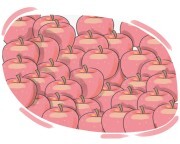
abundant
abundant
[形容詞]

existing or available in large quantities

豊富な, たっぷりの

豊富な, たっぷりの

Ex: The garden was filled with abundant flowers of every color. 
innovation
innovation
[名詞]

a method, product, way of doing something, etc. that is newly introduced

革新, イノベーション

革新, イノベーション

Ex: Innovation drives progress in every industry. 
institute
institute
[名詞]

an organization focused on a specific field of study or training, offering programs and services related to science, technology, medicine, business, or the arts

研究所, 機関

研究所, 機関

affair
affair
[名詞]

a social gathering or event, often formal or noteworthy

イベント, レセプション

イベント, レセプション

Ex: The gala was a grand affair. 
to [reach] a conclusion

to come to a decision or judgment after considering evidence, arguments, or facts

Ex: After hours of deliberation, the jury reached a conclusion and delivered their verdict. 
novel
novel
[形容詞]

new and unlike anything else

新しい, 独創的な

新しい, 独創的な

Ex: Her novel approach to problem-solving impressed the entire team with its creativity and effectiveness. 
to break through

to successfully overcome or manage a problem or a difficult situation

突破する, 乗り越える

突破する, 乗り越える

Ex: The community came together to break through social challenges. 
at present
at present
[副詞]

at the current moment or during the existing time

現在, 今のところ

現在, 今のところ

Ex: The store is closed at present for inventory management. 
cost-effective
cost-effective
[形容詞]

producing good results without costing too much

費用対効果が高い, 経済的

費用対効果が高い, 経済的

Ex: Investing in energy-efficient appliances proved to be cost-effective in the long run, saving money on electricity bills. 
raw material
raw material
[名詞]

a basic substance used in manufacturing or production that has not yet been processed or refined

原材料, 未加工材料
原材料, 未加工材料

Ex: Timber is a crucial raw material for the construction industry, used to produce various wood products. 
shortage
shortage
[名詞]

a lack of something needed, such as supplies, resources, or people

不足, 欠乏

不足, 欠乏

Ex: The shortage of medical supplies during the pandemic highlighted the vulnerabilities in global supply chains. 
resistance
resistance
[名詞]

the act of opposing or refusing to accept something one disapproves of or disagrees with

抵抗, 反対

抵抗, 反対

Ex: The proposal met strong resistance from local residents. 
to contain
to contain
[動詞]

to consist of or include several different elements or parts

含む, 包含する
含む, 包含する

Ex: The book contains stories from different cultures and traditions. 
potential
potential
[形容詞]

having the possibility to develop or be developed into something particular in the future

潜在的な, 可能性のある

潜在的な, 可能性のある

Ex: She saw potential issues with the project and addressed them early on. 
reference
reference
[名詞]

a mention or citation of something, often to provide context or support for an idea

参照, 引用

参照, 引用

Ex: The article included several references to previous studies on the topic. 
high-rise
high-rise
[形容詞]

(of buildings) having many floors

高層の, 高層ビルの
高層の, 高層ビルの

Ex: They moved into a high-rise apartment with a stunning view of the city. 
indication
indication
[名詞]

something that serves to show, suggest, or point to a fact, condition, or situation

兆候, 表示
兆候, 表示

Ex: The dark clouds are an indication of approaching rain. 
belief
belief
[名詞]

something that we think is true or real

信念, 信条

信念, 信条

Ex: Many people hold the belief that honesty is the best policy. 
to regard as
to regard as
[動詞]

to think of someone or something in a particular way

と見なす, と考える

と見なす, と考える

Ex: She regards him as a talented artist. 
prone
prone
[形容詞]

having a tendency or inclination toward something

傾向がある, しやすい

傾向がある, しやすい

Ex: He is prone to making impulsive decisions. 
to equal
to equal
[動詞]

to reach the same level or ability as someone or something else

同等である, 匹敵する

同等である, 匹敵する

Ex: Her singing talent equals that of the most famous performers. 
in terms of
in terms of
[前置詞]

referring to or considering a specific aspect or factor

の観点から, に関して

の観点から, に関して

Ex: In terms of performance, the new car outperforms its competitors in terms of speed and acceleration. 
nota bene
nota bene
[名詞]

a Latin phrase (or its abbreviation) used to indicate that special attention should be paid to something

ノタ・ベネ, よく注意せよ

ノタ・ベネ, よく注意せよ

to assume
to assume
[動詞]

to think that something is true without having proof or evidence

仮定する, 想定する

仮定する, 想定する

Ex: She often assumes that everyone agrees with her perspective. 
to offer
to offer
[動詞]

to present goods or services for purchase to potential buyers

提供する, 申し出る

提供する, 申し出る

Ex: The local bakery offers fresh pastries and cakes every morning. 
comparable
comparable
[形容詞]

having similarities that justify making a comparison

比較可能な, 類似した

比較可能な, 類似した

Ex: The two products are comparable in price and quality 
expense
expense
[名詞]

the amount of money spent to do or have something

費用,  出費

費用, 出費

Ex: Keeping track of your monthly expenses can help you create a realistic budget. 
due to
due to
[前置詞]

as a result of a specific cause or reason

による, のため

による, のため

Ex: The flight delay was due to heavy fog at the airport. 
to base
to base
[動詞]

to situate or establish as a central location for operations, activities, or planning

基づく, 設立する
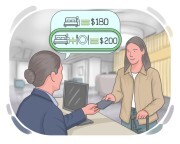
基づく, 設立する

Ex: The company decided to base its regional headquarters in the bustling city for better accessibility. 
including
including
[前置詞]

used to point out that something or someone is part of a set or group

含む, を含めて

含む, を含めて

Ex: He has visited many countries, including France, Italy, and Spain. 
to lock away
to lock away
[動詞]

to place something in a container or place that can be securely fastened with a lock

鍵をかけてしまう, 金庫にしまう

鍵をかけてしまう, 金庫にしまう

Ex: The jeweler locked away the precious gems in a vault for safekeeping. 
range
range
[名詞]

an area in which something acts, operates, or has influence or control

範囲, 影響範囲

範囲, 影響範囲

Ex: The radio tower covers a range of several miles. 
fly ash
fly ash
[名詞]

fine solid particles of ash that are carried into the air when fuel is combusted

フライアッシュ, 燃焼残渣

フライアッシュ, 燃焼残渣

slag
slag
[名詞]

the byproduct of smelting ore that forms a glass-like material, often found as a residue in mining and metalworking activities

スラグ, 溶融残留物
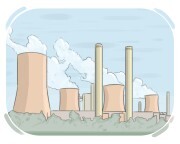
スラグ, 溶融残留物

Ex: The old mine was littered with heaps of slag, remnants of the smelting operations that had once thrived there. 
iron ore
iron ore
[名詞]

an ore from which iron can be extracted

鉄鉱石, 鉱石鉄

鉄鉱石, 鉱石鉄

byproduct
byproduct
[名詞]

a product made during the manufacture of something else

副産物, 派生物

副産物, 派生物

coal-burning
coal-burning
[形容詞]

fueled by burning coal

石炭燃焼の, 石炭を燃やす

石炭燃焼の, 石炭を燃やす

power plant
power plant
[名詞]

a large building in which electricity is made

発電所, 電力プラント
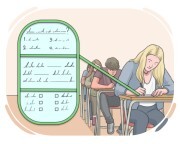
発電所, 電力プラント

Ex: The massive hydroelectric power plant harnessed the power of the rushing river to generate clean electricity. 
to incorporate

to include something as part of a larger whole or system

組み込む, 統合する

組み込む, 統合する

Ex: The new design will incorporate feedback from various stakeholders to ensure satisfaction. 
durability
durability
[名詞]

the ability of an object or material to withstand wear, pressure, or damage over time, without significant deterioration

耐久性, 強度

耐久性, 強度

Ex: The durability of the new smartphone was tested through rigorous drop and impact tests. 
smelting
smelting
[名詞]

the process of heating and melting rocks or ores to take out metals from them

製錬, 溶解

製錬, 溶解

Ex: The smelting of iron was important in ancient times. 
incorporation

consolidating two or more things; union in (or into) one body

統合, 合併

統合, 合併

council
council
[名詞]

a group of elected people who govern a city, town, etc.

議会, 評議会

議会, 評議会

Ex: She was elected to serve on the local council. 
to note
to note
[動詞]

to mention something to make it stand out

指摘する, 言及する

指摘する, 言及する

Ex: He noted the improvements in the project during the presentation. 
waste product

any materials unused and rejected as worthless or unwanted

廃棄物, 廃産物

廃棄物, 廃産物

content
content
[名詞]

the proportion of a substance in an alloy or mixture

含有量, 濃度

含有量, 濃度

Ex: The metal's content of copper was unusually high. 
overall
overall
[副詞]

with everything considered

全体的に, 概して

全体的に, 概して

Ex: Overall, the event was a great success. 
calculation
calculation
[名詞]

the process of thinking carefully about risks, outcomes, or effects before making a decision or taking action

計算, 熟考

計算, 熟考

Ex: His decision was based on careful calculation. 
life cycle
life cycle
[名詞]

the series of stages something goes through from the beginning to the end of its use or existence

ライフサイクル, 寿命

ライフサイクル, 寿命

Ex: The life cycle of a building includes design, construction, use, and demolition. 
conventional
conventional
[形容詞]

following established practices or standards that are widely accepted or commonly used

従来の, 伝統的な

従来の, 伝統的な

Ex: The government may continue to use conventional policies, though some are calling for radical change. 
LanGeek
LanGeekアプリをダウンロード