책 English File - 중상급 - 레슨 2A

여기에서는 English File Upper Intermediate 교과서의 2A 과 단어를 찾을 수 있습니다. "minor", "condition", "blister" 등.

review-disable

리뷰

flashcard-disable

플래시카드

spelling-disable

철자법

quiz-disable

퀴즈

학습 시작
책 English File - 중상급
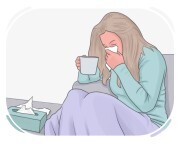
illness [명사]
اجرا کردن

질병

Ex: He recovered from his illness after a long treatment .

그는 오랜 치료 끝에 에서 회복했다.

injury [명사]
اجرا کردن

부상

Ex: She 's been doing exercises to heal her shoulder injury .

그녀는 어깨 부상을 치유하기 위해 운동을 해왔습니다.

minor [형용사]
اجرا کردن

사소한

Ex: He brushed off the minor criticism , focusing on more important matters .

그는 사소한 비판을 무시하고 더 중요한 문제에 집중했다.

condition [명사]
اجرا کردن

상태

Ex: Living with a mental health condition can be challenging , but many find support through therapy and community resources .

정신 건강 상태와 함께 사는 것은 도전적일 수 있지만, 많은 사람들이 치료와 지역 사회 자원을 통해 지원을 찾습니다.
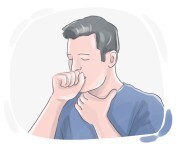
to cough [동사]
اجرا کردن

기침하다

Ex: Please cover your mouth when you cough .

기침할 때 입을 가려주세요.

headache [명사]
اجرا کردن

두통

Ex: I ca n't concentrate on this report ; I 've got a terrible headache .

이 보고서에 집중할 수 없어요; 심한 두통이 있어요.

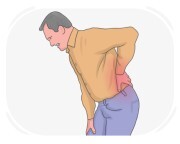
backache [명사]
اجرا کردن

등 통증

Ex: He could n't play football due to a severe backache .

그는 심한 등 통증 때문에 축구를 할 수 없었다.

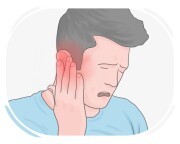
earache [명사]
اجرا کردن

귀 통증

Ex: If your earache is accompanied by a fever , you should see a doctor immediately .

귀앓이에 열이 동반된다면, 즉시 의사를 만나야 합니다.

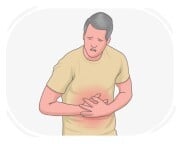
stomachache [명사]
اجرا کردن

복통

Ex:

그녀는 롤러코스터를 탄 후 복통이 오는 것을 느꼈다.

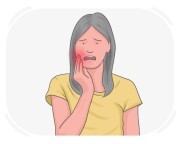
toothache [명사]
اجرا کردن

치통

Ex: He could n't eat his ice cream because of his toothache .

그는 치통 때문에 아이스크림을 먹을 수 없었다.

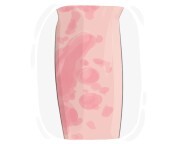
rash [명사]
اجرا کردن

발진

Ex: Common types of rashes include eczema , contact dermatitis , heat rash , and viral rashes like measles or chickenpox .

일반적인 발진 유형에는 습진, 접촉성 피부염, 땀띠, 홍역 또는 수두와 같은 바이러스성 발진이 포함됩니다.
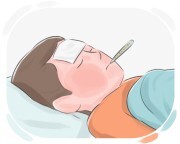
temperature [명사]
اجرا کردن

Ex: Children often experience a rise in temperature during common illnesses , such as the flu or cold .

아이들은 감기나 독감과 같은 일반적인 질병 동안 종종 체온이 상승합니다.
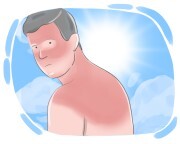
sunburn [명사]
اجرا کردن

햇볕에 타다

Ex: Sunburn can be prevented by applying a high-SPF sunscreen and wearing protective clothing .

햇볕에 타는 것은 높은 SPF의 선크림을 바르고 보호복을 입음으로써 예방할 수 있습니다.

اجرا کردن

to throw up the contents of the stomach, often due to illness or nausea

Ex: She had to leave the movie because she started to be sick .

그녀는 영화를 떠나야 했는데, 그녀가 아프기 시작했기 때문이다.

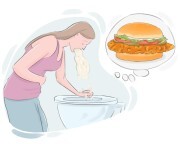
to vomit [동사]
اجرا کردن

토하다

Ex: Yesterday , he unexpectedly vomited after having dinner at the restaurant .

어제, 그는 레스토랑에서 저녁을 먹은 후 예기치 않게 토했다.

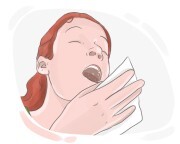
to sneeze [동사]
اجرا کردن

재채기하다

Ex: If you sneeze into your hand , remember to wash it afterwards .

손에 재채기를 했다면, 이후에 씻는 것을 잊지 마세요.

hurt [명사]
اجرا کردن

상처

Ex: Emotional hurt can be just as significant as physical injuries , affecting a person ’s mental health .

정서적 상처는 신체적 부상만큼 중요할 수 있으며, 한 사람의 정신 건강에 영향을 미칩니다.
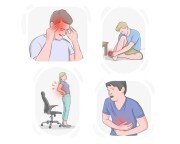
ache [명사]
اجرا کردن

통증

Ex: My grandmother always complains about an ache in her leg .

할머니는 항상 다리의 통증에 대해 불평하십니다.

to bleed [동사]
اجرا کردن

피를 흘리다

Ex: It 's essential to apply pressure to a wound to stop it from bleeding excessively .

상처에 압력을 가하는 것은 과도하게 출혈하는 것을 멈추기 위해 필수적입니다.
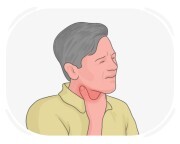
sore throat [명사]
اجرا کردن

목 아픔

Ex: He always gets a sore throat when the weather changes

날씨가 변할 때마다 그는 항상 목이 아프다.

diarrhea [명사]
اجرا کردن

설사

Ex: Chronic diarrhea may indicate underlying conditions such as irritable bowel syndrome ( IBS ) or inflammatory bowel disease ( IBD ) .

만성 설사는 과민성 대장 증후군(IBS) 또는 염증성 장 질환(IBD)과 같은 기저 질환을 나타낼 수 있습니다.
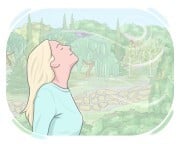
to feel [동사]
اجرا کردن

느끼다

Ex:

그녀는 자신의 실수를 깨달았을 때 당황스러움을 느꼈다.

sick [형용사]
اجرا کردن

아픈

Ex: My father was so sick that he could n't even get out of bed .

아버지는 너무 아파서 침대에서 일어날 수도 없었습니다.

to faint [동사]
اجرا کردن

기절하다

Ex: The sight of blood can be distressing for some people and may cause them to faint .

피를 보는 것은 어떤 사람들에게는 고통스러울 수 있으며 그들을 기절시킬 수 있습니다.
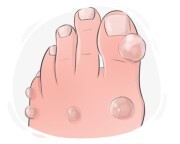
blister [명사]
اجرا کردن

물집

Ex: Common causes of blisters include wearing ill-fitting shoes , repetitive friction from tools or sports equipment , or exposure to heat .

물집의 일반적인 원인에는 잘 맞지 않는 신발을 신는 것, 도구나 스포츠 장비로 인한 반복적인 마찰, 또는 열에 노출되는 것이 포함됩니다.
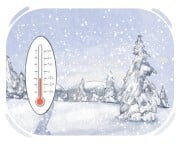
cold [형용사]
اجرا کردن

차가운

Ex:

그녀는 추운 날씨에 따뜻하게 지내기 위해 스카프와 장갑으로 몸을 둘러쌌다.

flu [명사]
اجرا کردن

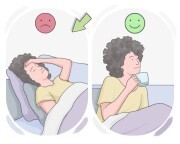
독감

Ex: He has a high fever ; it might be the flu .

그는 고열이 있다; 독감일 수 있다.

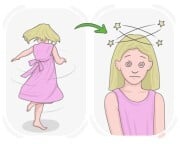
dizzy [형용사]
اجرا کردن

어지러운

Ex: Low blood sugar levels can cause people with diabetes to feel dizzy and disoriented .

낮은 혈당 수치는 당뇨병 환자에게 어지러움과 방향 감각 상실을 유발할 수 있습니다.
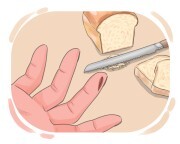
to cut [동사]
اجرا کردن

자르다

Ex: I accidentally cut my finger while I was chopping vegetables .

야채를 썰다가 실수로 손가락을 베었어요.

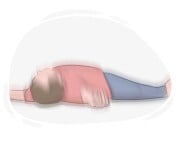
unconscious [형용사]
اجرا کردن

의식 없는

Ex: She spoke to him while he was unconscious in hopes that he could hear her voice .

그가 의식이 없을 때 그녀는 그가 자신의 목소리를 들을 수 있기를 바라며 그에게 말을 걸었다.
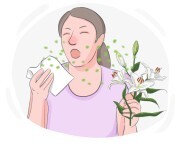
اجرا کردن

알레르기 반응

Ex: Common symptoms of an allergic reaction include hives , swelling , and difficulty breathing .

알레르기 반응의 일반적인 증상으로는 두드러기, 부종 및 호흡 곤란이 포함됩니다.
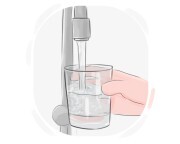
اجرا کردن

수도 물

Ex: During the drought , conserving running water became a priority for the entire community .

가뭄 동안 수돗물을 보존하는 것은 전체 커뮤니티의 우선 순위가 되었습니다.
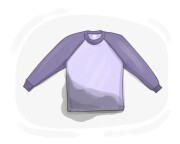
damp [형용사]
اجرا کردن

축축한

Ex: The basement felt damp and musty after heavy rainfall seeped in through cracks .

폭우가 균열을 통해 스며든 후 지하실은 축축하고 곰팡내가 났다.

cloth [명사]
اجرا کردن

Ex: He preferred clothes made from natural cloth like cotton and linen .

그는 면과 리넨 같은 천연 으로 만든 옷을 선호했다.

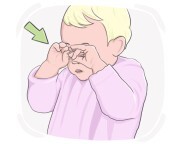
to rub [동사]
اجرا کردن

문지르다

Ex: To ease the tension , she began to rub her temples in slow , circular motions .

긴장을 완화하기 위해, 그녀는 천천히 원을 그리며 관자놀이를 문지르기 시작했다.
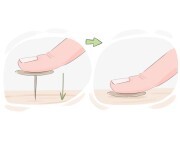
to press [동사]
اجرا کردن

누르다

Ex: The athlete pressed her body against the wall , preparing for the starting signal .

선수는 출발 신호에 대비하여 몸을 벽에 밀어붙였다.

to tip [동사]
اجرا کردن

기울이다

Ex: The child tipped the chair back on its hind legs , trying to reach for something on the shelf .

아이가 의자를 뒷다리로 기울여 선반 위의 무언가를 잡으려고 했다.

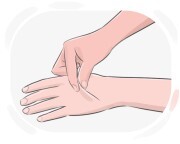
to pinch [동사]
اجرا کردن

꼬집다

Ex: The chef instructed the students to pinch the edges of the pastry to create a decorative pattern .

셰프는 학생들에게 장식적인 패턴을 만들기 위해 페이스트리의 가장자리를 꼬집으라고 지시했습니다.
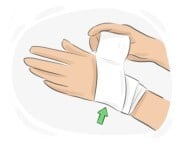
bandage [명사]
اجرا کردن

붕대

Ex: In case of an emergency , it ’s important to know how to properly use a bandage to dress a wound .

응급 상황에서 상처를 감싸기 위해 붕대를 올바르게 사용하는 방법을 아는 것이 중요합니다.
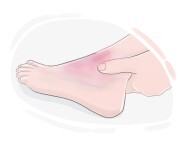
sprain [명사]
اجرا کردن

염좌

Ex: Rest and ice are important for recovery from a sprain , along with gentle stretching exercises .

삐었을 때는 휴식과 얼음이 중요하며, 부드러운 스트레칭 운동도 함께해야 합니다.
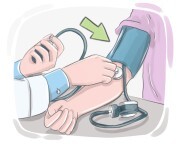
اجرا کردن

혈압

Ex: Maintaining a balanced diet and regular exercise can help manage blood pressure levels effectively .

균형 잡힌 식단을 유지하고 규칙적으로 운동하는 것은 혈압 수준을 효과적으로 관리하는 데 도움이 될 수 있습니다.

high [형용사]
اجرا کردن

높은

Ex: The prices at the luxury boutique were quite high .

럭셔리 부티크의 가격은 상당히 높았습니다.

low [형용사]
اجرا کردن

낮은

Ex: Their energy levels were low after the hike .

하이킹 후 그들의 에너지 수준은 낮았다.

اجرا کردن

식중독

Ex: Common causes of food poisoning include bacteria such as Salmonella and E. coli found in improperly handled food .

식중독의 일반적인 원인으로는 잘못 처리된 음식에서 발견되는 살모넬라와 대장균과 같은 박테리아가 있습니다.

to choke [동사]
اجرا کردن

목이 멜

Ex: During the emotional speech , he almost choked , overwhelmed by the memories he was sharing .

감정적인 연설 중에, 그는 공유하던 기억들에 압도되어 거의 목이 막혔다.
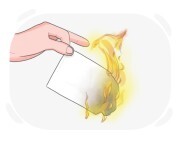
to burn [동사]
اجرا کردن

타다

Ex: The forest burned for days , leaving behind a trail of destruction .

숲이 며칠 동안 면서 파괴의 흔적을 남겼다.

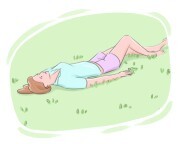
to lie down [동사]
اجرا کردن

눕다

Ex: The weary traveler lay down on the bed , eager to escape the hustle and bustle of the city .

피곤한 여행자는 도시의 소란스러움에서 벗어나고 싶어 침대에 눕혔다.

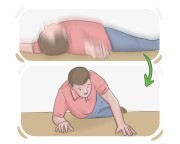
to pass out [동사]
اجرا کردن

기절하다

Ex: After standing for hours in the sun , he passed out from dehydration .

햇볕 아래 몇 시간 동안 서 있은 후, 그는 탈수로 의식을 잃었다.

اجرا کردن

정신을 차리다

Ex: He was knocked unconscious in the accident but gradually came around in the ambulance .

그는 사고로 의식을 잃었지만 구급차에서 점차 정신을 차렸다.

to get over [동사]
اجرا کردن

회복하다

Ex: The therapy sessions helped her get over the trauma from the accident .

치료 세션은 그녀가 사고의 트라우마를 극복하는 데 도움이 되었습니다.

to throw up [동사]
اجرا کردن

토하다

Ex: She had a stomach bug and spent the night throwing up .

그녀는 위장 바이러스에 걸려 밤새 토하며 보냈다.