
Książka English File - Średnio zaawansowany wyższy - Lekcja 2A
Tutaj znajdziesz słownictwo z lekcji 2A w podręczniku English File Upper Intermediate, takie jak "drobny", "stan", "pęcherz" itp.
Przegląd
Fiszki
formy
Pisownia
Test

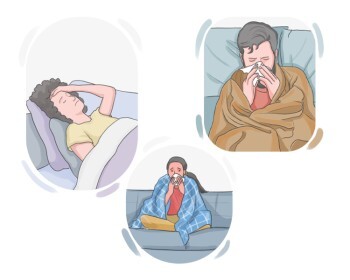
the state of being physically or mentally sick

choroba, dolegliwość
Jego choroba trzymała go w łóżku przez tygodnie.
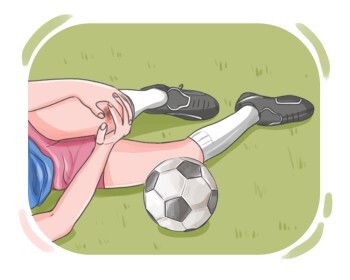
any physical damage to a part of the body caused by an accident or attack
uraz, uszkodzenie
Wypadek samochodowy spowodował wiele urazów.
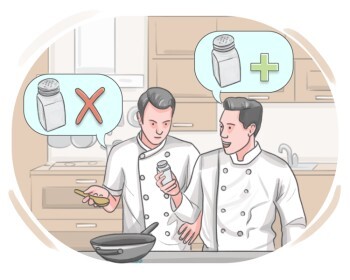
having little importance, effect, or seriousness
drobny, nieznaczny
Problem był drobny w porównaniu z innymi wyzwaniami, przed którymi stanęli.
a medical problem, such as a disorder, illness, etc.
stan, choroba
Jej przewlekły stan wymaga regularnych badań lekarskich i starannego zarządzania.
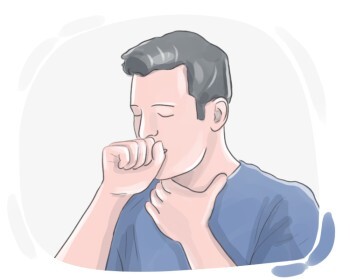
to push air out of our mouth with a sudden noise
kasłać, dostać kaszlu
Tak bardzo kaszlała, że musiała wyjść z pokoju.
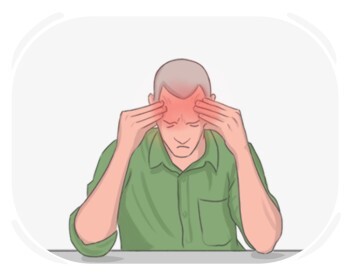
a pain in the head, usually persistent
ból głowy
Często ma ból głowy, kiedy jest zmęczona.
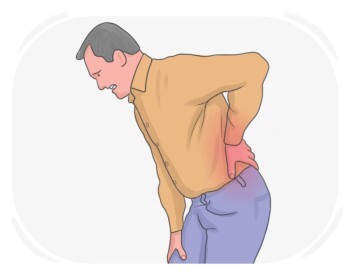
a pain in someone's back
ból pleców, ból krzyża
Używa specjalnej poduszki, aby uniknąć bólu pleców podczas długich podróży.
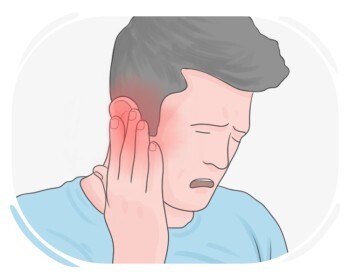
a pain inside the ear
ból ucha, otalgia
Mój syn często ma ból ucha, gdy jest przeziębiony.
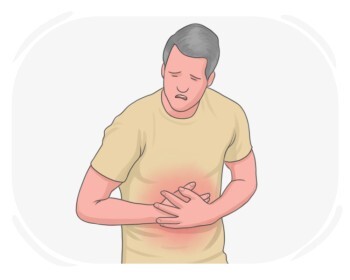
a pain in or near someone's stomach
ból brzucha, ból żołądka
Wzięła gorącą kąpiel, aby pomóc złagodzić ból brzucha.
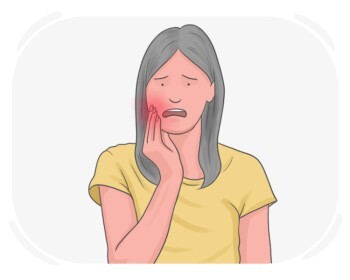
pain felt in a tooth or several teeth
ból zęba, zęboból
Jeśli masz ból zęba, powinieneś unikać bardzo gorących lub bardzo zimnych napojów.
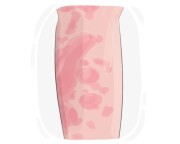
a part of one's skin covered with red spots, which is usually caused by a sickness or an allergic reaction
wysypka, zaczerwienienie
Objawy wysypki mogą obejmować swędzenie, pieczenie lub dyskomfort w dotkniętym obszarze.
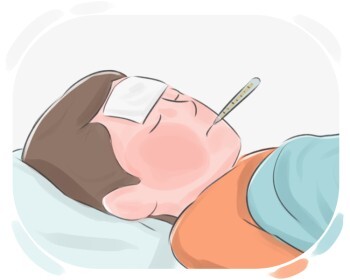
a condition characterized by a body temperature above the normal range, often indicating an immune response to infection or illness within the body
gorączka, wysoka temperatura
Monitorowanie temperatury jest kluczowe w określeniu, czy pacjent wymaga natychmiastowej pomocy medycznej.
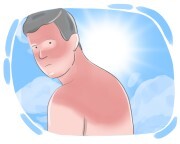
pain and redness of the skin caused by overexposure to the sun
oparzenie słoneczne, poparzenie słoneczne
Jej nos i policzki stały się jaskrawoczerwone od oparzenia słonecznego po weekendowym festiwalu na świeżym powietrzu.
![to [be] sick](https://cdn.langeek.co/photo/26300/thumb/350?type=jpeg "to [be] sick")
to throw up the contents of the stomach, often due to illness or nausea
Trzęsąca jazda na roller coasterze sprawiła, że niektórzy ludzie zwymiotowali.
to eject what has been eaten or drunk through the mouth
wymiotować, zwracać
Po przejażdżce roller coasterem niektórzy ludzie wymiotowali z powodu choroby lokomocyjnej.
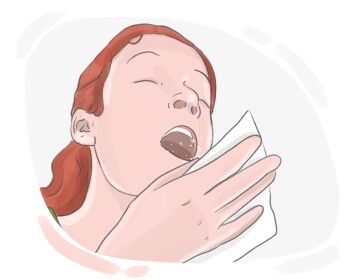
to blow air out of our nose and mouth in a sudden way
kichać, kichnąć
Zaczęła kichać z powodu kurzu w pokoju.

any physical injury, pain, suffering, or damage
uraz, ból
Mimo że został ranny podczas wypadku, udało mu się pomóc innym poszkodowanym.
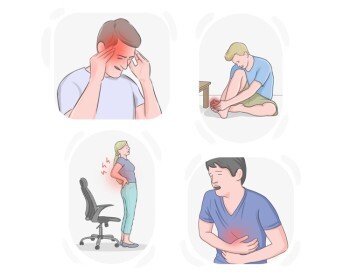
a continuous pain in a part of the body, often not severe
ból, tępy ból
Po treningu poczuła lekki ból w ramieniu.
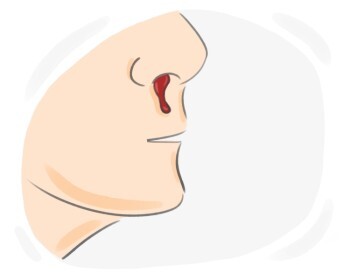
to lose blood from an injury or wound
krwawić, tracie krew
W przypadku niewielkiego urazu małe zadrapanie może krótko krwawić, zanim się zaskrzepnie.
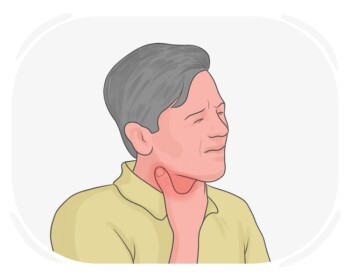
a condition when you feel pain in the throat, usually caused by bacteria or viruses
ból gardła
Jego ból gardła utrudniał mu mówienie.
a medical condition in which body waste turns to liquid and comes out frequently
biegunka, dyzenteria
Leczenie biegunki często obejmuje nawadnianie płynami i elektrolitami, aby zapobiec odwodnieniu.
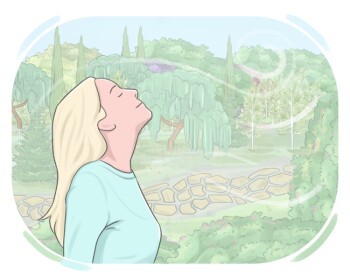
to experience a particular emotion
czuć, doznawać
Po obejrzeniu emocjonalnego filmu, przez godziny czuł smutek.
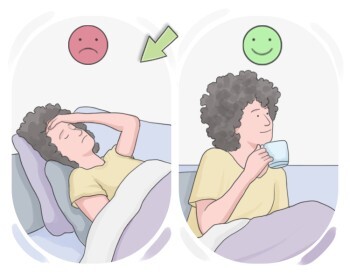
not in a good and healthy physical or mental state
chory, mdłości
Została w domu, ponieważ jest chora.
to suddenly lose consciousness from a lack of oxygen in the brain, which is caused by a shock, etc.
zemdleć, stracić przytomność
Często mdleje na widok igieł, co sprawia, że wizyty lekarskie są trudne.
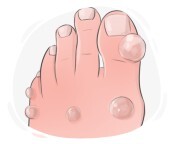
a swollen area on the skin filled with liquid, caused by constant rubbing or by burning
pęcherz, bąbel
Aby leczyć pęcherz, ważne jest, aby utrzymywać go w czystości, unikać przekłuwania, jeśli to możliwe, aby zapobiec infekcji, i chronić go bandażem lub podkładką.
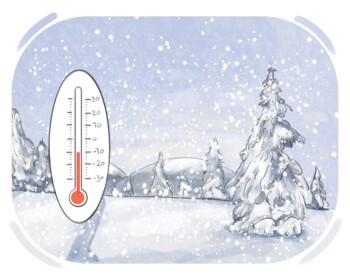
having a temperature lower than the human body's average temperature
zimny, lodowaty
Klimatyzacja sprawiła, że w pokoju było zbyt zimno, więc wyregulowałem temperaturę.
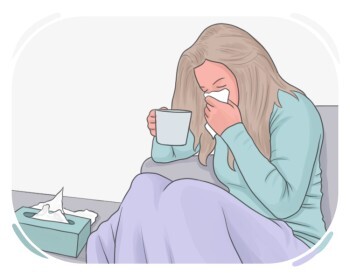
an infectious disease similar to a bad cold, causing fever and severe pain
grypa
Złapałem grypę i musiałem zostać w domu przez tydzień.
unable to keep one's balance and feeling as though everything is circling around one, caused by an illness or looking down from a high place
oszołomiony, zawrotny
Zawroty głowy mogą sprawić, że osoby poczują się zawroty głowy, jakby pokój wirował wokół nich.
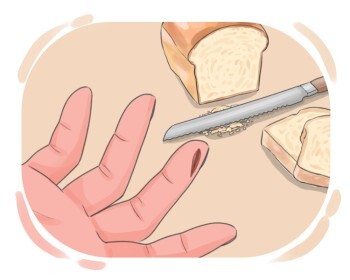
to accidentally wound and hurt yourself or others, especially with a sharp object, causing the skin to break and bleed
ciąć, zranić
Ostrożnie z tym szkłem; może pociąć twoją rękę.
(of a person) unresponsive and unaware of the surroundings, usually due to an illness or injury
nieprzytomny, nieświadomy
Był nieprzytomny po uderzeniu głową w upadku.
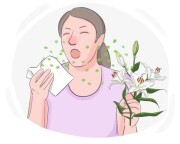
a reaction caused by inhaling, touching, or ingesting specific substances that one's body is severely sensitive to
reakcja alergiczna
Zawsze nosi przy sobie EpiPen na wypadek reakcji alergicznej na ukąszenia owadów.
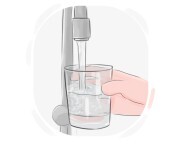
water that is brought into a house, building, etc. through pipes
woda bieżąca, woda pitna
Napełniła garnek wodą z kranu, aby ugotować makaron na obiad.
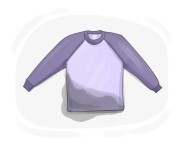
slightly wet, particularly in an uncomfortable way
wilgotny, mokry
Gleba w ogrodzie była wilgotna od nocnego podlewania, idealna do sadzenia nasion.
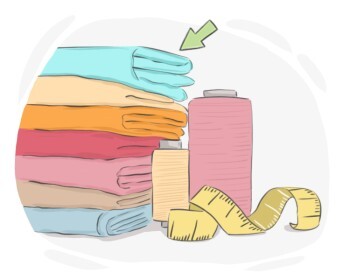
material used for making clothes, which is made by knitting or weaving silk, cotton, etc.
tkanina, materiał
Stragan na rynku był wypełniony kolorową tkaniną o różnych wzorach i fakturach.
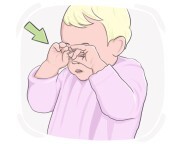
to apply pressure to a surface with back and forth or circular motions
pocierać, masować
Dziecko pocierało senne oczy, próbując nie zasnąć.
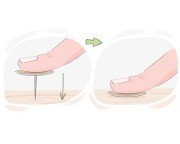
to push a thing tightly against something else
naciskać, przyciskać
Dziecko przycisnęło dłoń do okna, aby poczuć krople deszczu.
to move something into an angled position where one side is lower or higher than the other
przechylać, przekrzywiać
Aby nalać sok, przechyliła karton na bok, upewniając się, że nie rozleje.
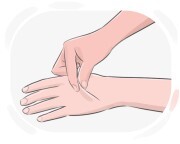
to tightly grip and squeeze something, particularly someone's flesh, between one's fingers
szczypać, ściskać
Kiedy zobaczyła zapierający dech w piersiach widok, nie mogła się powstrzymać od szczypnięcia się, aby upewnić się, że to nie sen.

a piece of cloth that is put around a wound to prevent infections
bandaż, opatrunek
Zawsze miał w samochodzie apteczkę pierwszej pomocy z dodatkowymi bandażami na wszelkie drobne urazy podczas wędrówek.
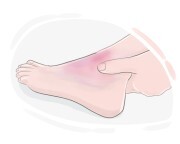
a painful injury resulting in the sudden twist of a bone or joint, particularly one's wrist or ankles
skręcenie, zwichnięcie
Owinął swoje skręcone nadgarstek bandażem, aby go wspierać podczas gojenia.
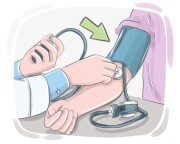
the pressure at which one's blood circulates one's body
ciśnienie krwi, ciśnienie tętnicze
Monitorował swoje ciśnienie krwi w domu za pomocą cyfrowego monitora, aby śledzić swoje zdrowie.
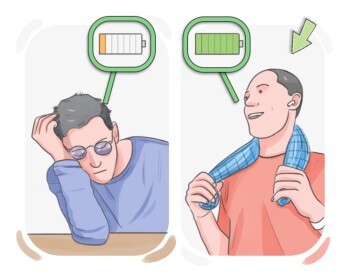
having a value or level greater than usual or expected, often in terms of numbers or measurements
wysoki, podwyższony
Miała wysoką gorączkę i musiała iść do lekarza.
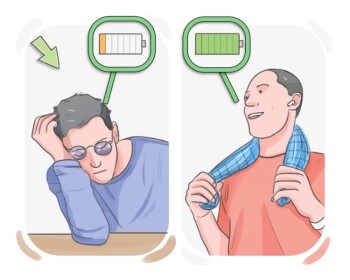
small or below average in degree, value, level, or amount
niski, mały
Wychowywała troje dzieci przy niskich dochodach.
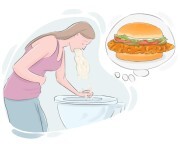
an illness resulting from the consumption of food or water contaminated with bacteria
zatrucie pokarmowe, intoksykacja pokarmowa
Aby zapobiec zatruciu pokarmowemu, ważne jest praktykowanie bezpiecznego obchodzenia się z żywnością i właściwych technik gotowania.
to not be able to speak clearly and normally due to experiencing very strong emotions
dławić się, zacinać się
Nierzadko można zadławić się podczas omawiania trudnych tematów, które wywołują silne uczucia.
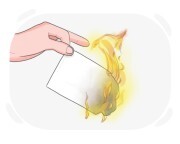
to be on fire and be destroyed by it
płonąć, spłonąć
Stare fotografie spłonęły w pożarze domu, na zawsze stracone w płomieniach.
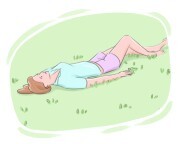
to put one's body in a flat position in order to sleep or rest
położyć się, odpocząć
Zmęczony turysta położył się na trawie, z ulgą, że w końcu odpoczywa.
to lose consciousness
zemdleć, stracić przytomność
Bez wystarczającej wentylacji w pomieszczeniu kilka osób zaczęło czuć, że mogą stracić przytomność.
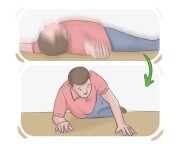
to awaken from a state of unconsciousness
odzyskiwać przytomność, budzić się
Bokserowi zajęło trochę czasu, zanim doszedł do siebie po nokaucie na ringu.
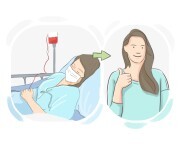
to recover from an unpleasant or unhappy experience, particularly an illness
wyzdrowieć, pokonać
Po rozstaniu zajęło mu dużo czasu, aby przejść przez ból.
to expel the contents of the stomach through the mouth
wymiotować, zwracać
Choroba morska spowodowała, że kilku pasażerów na statku zwymiotowało.
