pattern

English File - Upper Intermediate - Lesson 2A

Here you will find the vocabulary from Lesson 2A in the English File Upper Intermediate coursebook, such as "minor", "condition", "blister", etc.

Review

Flashcards

Forms

Spelling

Quiz

Start learning
English File - Upper Intermediate
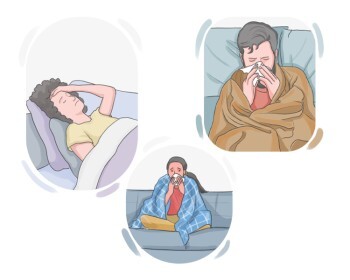
illness
illness
[noun]

the state of being physically or mentally sick
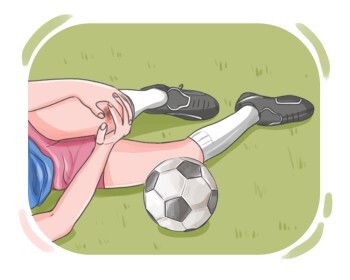
Ex: The patient was unable to recover from his illness. 
Close
Sign in
injury
injury
[noun]

any physical damage to a part of the body caused by an accident or attack
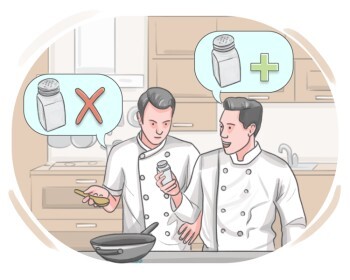
Ex: After the attack, she had a serious head injury. 
Close
Sign in
minor
minor
[Adjective]

having little importance, effect, or seriousness

Ex: The issue was minor compared to the other challenges they faced. 
Close
Sign in
condition
condition
[noun]

a medical problem, such as a disorder, illness, etc.
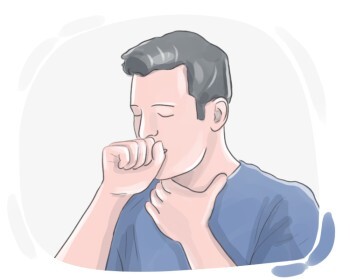
Ex: Her chronic condition requires regular medical check-ups and careful management. 
Close
Sign in
to cough
to cough
[Verb]

to push air out of our mouth with a sudden noise

Ex: Don't cough into your hand; it's better to use a tissue. 
Close
Sign in
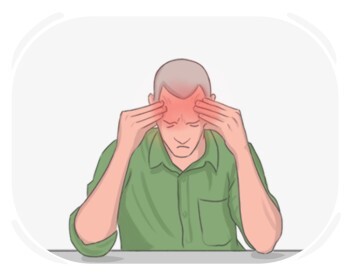
headache
headache
[noun]

a pain in the head, usually persistent
Ex: Avoiding stress can help you prevent headaches. 
Close
Sign in
backache
backache
[noun]

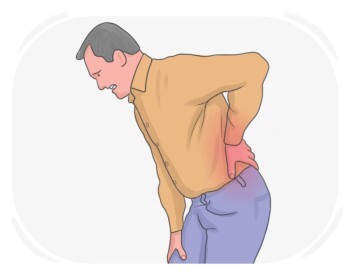
a pain in someone's back

Ex: Backache is a common complaint among office workers. 
Close
Sign in
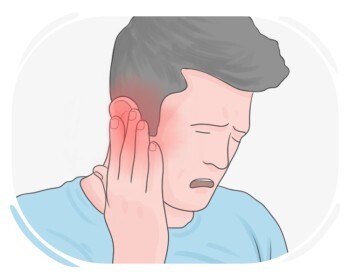
earache
earache
[noun]

a pain inside the ear

Ex: Don't ignore a severe earache, it might need medical attention. 
Close
Sign in
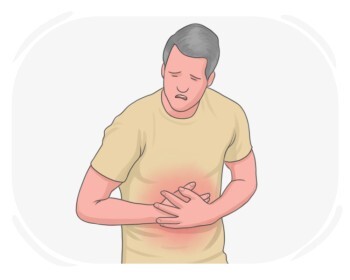
stomachache

a pain in or near someone's stomach

Ex: Drinking too much coffee gives me a stomachache. 
Close
Sign in
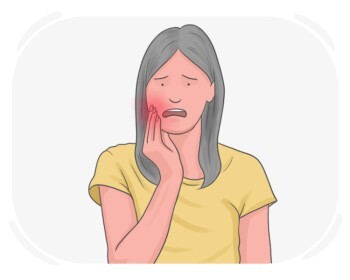
toothache
toothache
[noun]

pain felt in a tooth or several teeth
Ex: After eating too many sweets, she got a severe toothache. 
Close
Sign in
rash
rash
[noun]

a part of one's skin covered with red spots, which is usually caused by a sickness or an allergic reaction
Ex: A rash is a change in the skin's appearance, often characterized by redness, bumps, or blisters. 
Close
Sign in
temperature

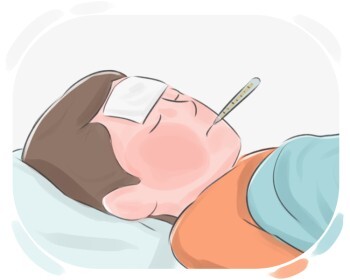
a condition characterized by a body temperature above the normal range, often indicating an immune response to infection or illness within the body
Ex: A high temperature is often one of the first signs that the body is fighting off an infection. 
Close
Sign in
sunburn
sunburn
[noun]

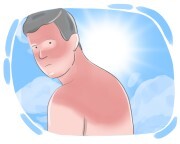
pain and redness of the skin caused by overexposure to the sun

Ex: After spending the entire day at the beach without sunscreen, she suffered from a severe sunburn. 
Close
Sign in
to [be] sick
to be sick
[phrase]

to throw up the contents of the stomach, often due to illness or nausea

Ex: He didn't want to be sick at school, so he stayed home instead. 
Close
Sign in
to vomit
to vomit
[Verb]

to eject what has been eaten or drunk through the mouth
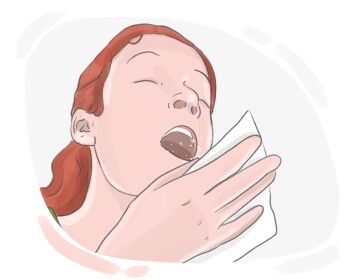
Ex: She sometimes vomits after eating certain foods. 
Close
Sign in
to sneeze
to sneeze
[Verb]

to blow air out of our nose and mouth in a sudden way

Ex: Don't forget to cover your mouth when you sneeze. 
Close
Sign in
hurt
hurt
[noun]

any physical injury, pain, suffering, or damage
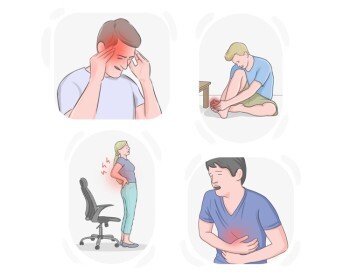
Ex: He felt a sharp pain in his ankle after he hurt it while playing soccer. 
Close
Sign in
ache
ache
[noun]

a continuous pain in a part of the body, often not severe
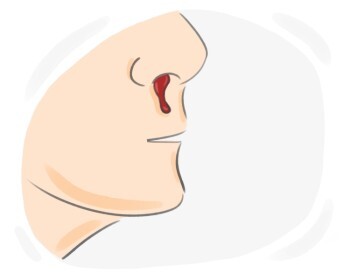
Ex: After the long hike, I had an ache in my legs. 
Close
Sign in
to bleed
to bleed
[Verb]

to lose blood from an injury or wound
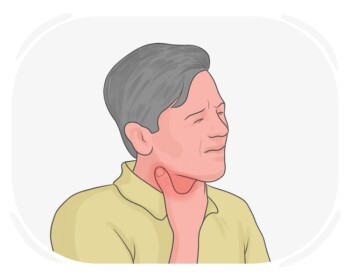
Ex: The paper cut on her finger began to bleed after she accidentally touched it. 
Close
Sign in
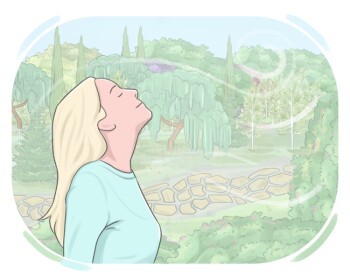
sore throat

a condition when you feel pain in the throat, usually caused by bacteria or viruses
Ex: A sore throat is often the first sign of a cold. 
Close
Sign in
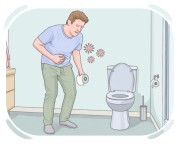
diarrhea
diarrhea
[noun]

a medical condition in which body waste turns to liquid and comes out frequently
Ex: Diarrhea is characterized by loose, watery stools occurring frequently throughout the day. 
Close
Sign in
to feel
to feel
[Verb]

to experience a particular emotion

Ex: After watching the emotional movie, he felt sad for hours. 
Close
Sign in
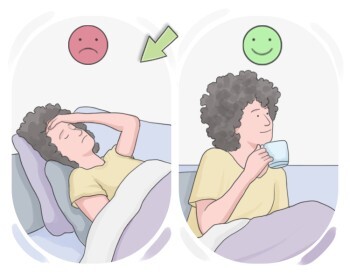
sick
sick
[Adjective]

not in a good and healthy physical or mental state
Ex: I think the milk was bad; it made me sick. 
Close
Sign in
to faint
to faint
[Verb]

to suddenly lose consciousness from a lack of oxygen in the brain, which is caused by a shock, etc.

Ex: Witnessing the accident made her faint, and she collapsed on the spot. 
Close
Sign in
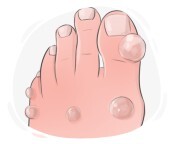
blister
blister
[noun]

a swollen area on the skin filled with liquid, caused by constant rubbing or by burning
Ex: A blister is a small pocket of fluid that forms on the skin, typically caused by friction, burns, or other injuries. 
Close
Sign in
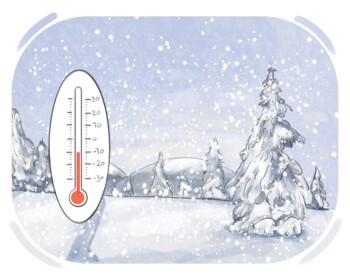
cold
cold
[Adjective]

having a temperature lower than the human body's average temperature
Ex: I prefer to drink cold water on a hot day. 
Close
Sign in
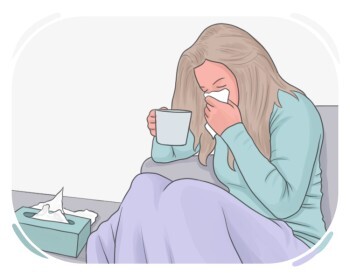
flu
flu
[noun]

an infectious disease similar to a bad cold, causing fever and severe pain
Ex: After catching the flu, he realized the importance of getting vaccinated. 
Close
Sign in
dizzy
dizzy
[Adjective]

unable to keep one's balance and feeling as though everything is circling around one, caused by an illness or looking down from a high place
Ex: She felt dizzy and lightheaded after standing up too quickly. 
Close
Sign in
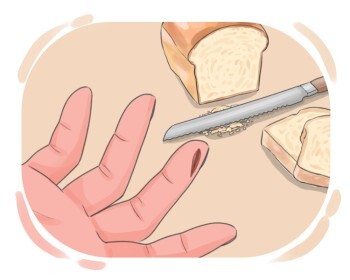
to cut
to cut
[Verb]

to accidentally wound and hurt yourself or others, especially with a sharp object, causing the skin to break and bleed

Ex: Be careful with that glass; it can cut your hand. 
Close
Sign in
unconscious
unconscious
[Adjective]

(of a person) unresponsive and unaware of the surroundings, usually due to an illness or injury

Ex: The patient remained unconscious after the accident until the paramedics arrived. 
Close
Sign in
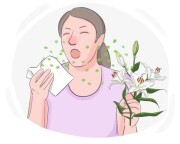
allergic reaction

a reaction caused by inhaling, touching, or ingesting specific substances that one's body is severely sensitive to
Ex: An allergic reaction can occur when the immune system overreacts to a substance like pollen or peanuts. 
Close
Sign in
running water

water that is brought into a house, building, etc. through pipes
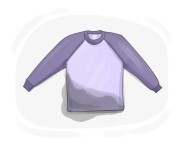
Ex: Running water is essential for maintaining hygiene and sanitation in homes and public facilities. 
Close
Sign in
damp
damp
[Adjective]

slightly wet, particularly in an uncomfortable way

Ex: The towel felt damp after being left out in the humid bathroom. 
Close
Sign in
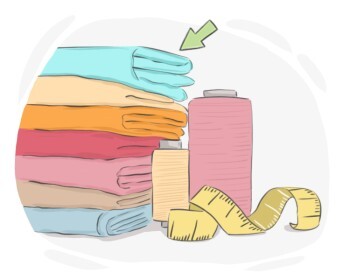
cloth
cloth
[noun]

material used for making clothes, which is made by knitting or weaving silk, cotton, etc.

Ex: She selected a beautiful piece of cloth to make her new dress. 
Close
Sign in
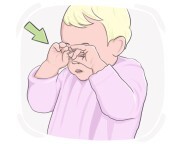
to rub
to rub
[Verb]

to apply pressure to a surface with back and forth or circular motions

Ex: She decided to rub the sore muscles on her shoulders after a long day at work. 
Close
Sign in
to press
to press
[Verb]

to push a thing tightly against something else

Ex: He pressed his foot on the accelerator to increase the speed of the car. 
Close
Sign in
to tip
to tip
[Verb]

to move something into an angled position where one side is lower or higher than the other
Ex: He accidentally tipped the vase, causing it to spill water all over the table. 
Close
Sign in
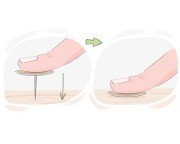
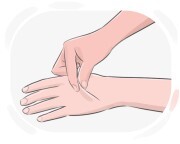
to pinch
to pinch
[Verb]

to tightly grip and squeeze something, particularly someone's flesh, between one's fingers

Ex: He had to pinch the bridge of his nose to alleviate the growing headache. 
Close
Sign in
bandage
bandage
[noun]

a piece of cloth that is put around a wound to prevent infections
Ex: She wrapped a bandage around the cut on her finger to protect it from infection. 
Close
Sign in
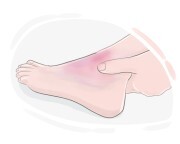
sprain
sprain
[noun]

a painful injury resulting in the sudden twist of a bone or joint, particularly one's wrist or ankles
Ex: She suffered a sprain when she landed awkwardly while playing basketball. 
Close
Sign in
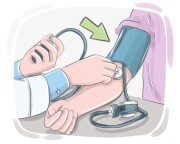
blood pressure

the pressure at which one's blood circulates one's body
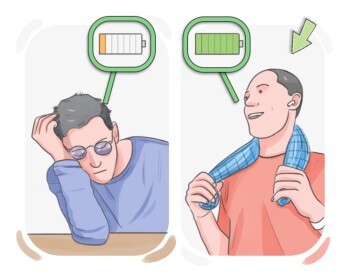
Ex: High blood pressure, also known as hypertension, can lead to serious health issues if left untreated. 
Close
Sign in
high
high
[Adjective]

having a value or level greater than usual or expected, often in terms of numbers or measurements
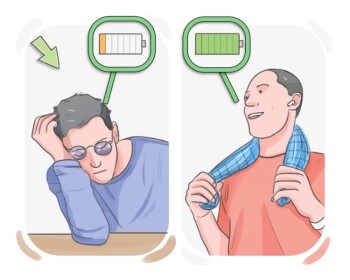
Ex: She had a high fever and needed to see a doctor. 
Close
Sign in
low
low
[Adjective]

small or below average in degree, value, level, or amount
Ex: She was raising three kids on a low income. 
Close
Sign in
food poisoning

an illness resulting from the consumption of food or water contaminated with bacteria

Ex: Food poisoning can occur after consuming contaminated or undercooked food, leading to symptoms like nausea and diarrhea. 
Close
Sign in
to choke
to choke
[Verb]

to not be able to speak clearly and normally due to experiencing very strong emotions
Ex: She began to choke on her words as she tried to express her gratitude through tears. 
Close
Sign in
to burn
to burn
[Verb]

to be on fire and be destroyed by it

Ex: The building burned fiercely, sending plumes of smoke into the sky. 
Close
Sign in
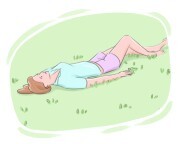
to lie down

to put one's body in a flat position in order to sleep or rest

Ex: I'm feeling tired, so I'm going to lie down for a while. 
Close
Sign in
to pass out

to lose consciousness

Ex: It was so hot in the room that she felt like she was going to pass out. 
Close
Sign in
to come around

to awaken from a state of unconsciousness
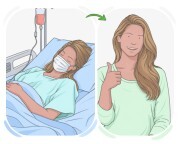
Ex: After fainting, it took her a few minutes to come around and realize where she was. 
Close
Sign in
to get over

to recover from an unpleasant or unhappy experience, particularly an illness

Ex: It took her several weeks to get over the flu completely. 
Close
Sign in
to throw up

to expel the contents of the stomach through the mouth

Ex: The bumpy car ride made the motion-sick passenger throw up. 
Close
Sign in
LanGeek
Download LanGeek app