
Книга English File - Выше среднего - Урок 2A
Здесь вы найдете словарный запас из Урока 2A учебника English File Upper Intermediate, такие как "незначительный", "состояние", "волдырь" и т.д.
Обзор
Флэш-карточки
формы
Правописание
Тест

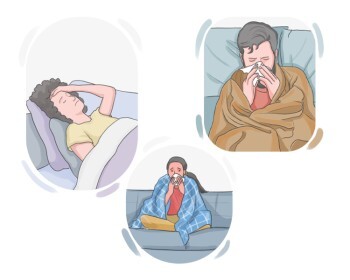
the state of being physically or mentally sick

болезнь
Многие люди борются с болезнью в тишине.
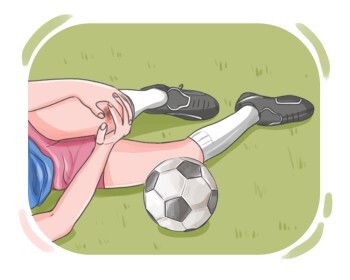
any physical damage to a part of the body caused by an accident or attack
травма
После нападения у нее было серьезное повреждение головы.
having little importance, effect, or seriousness
мелкий
Он отмахнулся от незначительной критики, сосредоточившись на более важных вопросах.
a medical problem, such as a disorder, illness, etc.
расстройство, болезнь
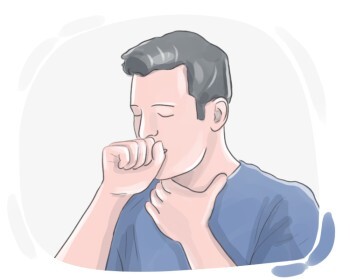
to push air out of our mouth with a sudden noise
кашлять
Не кашляйте в руку; лучше использовать салфетку.
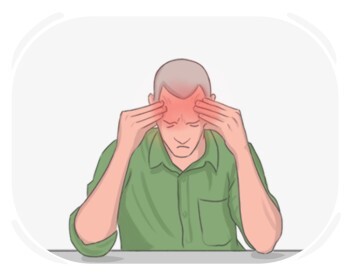
a pain in the head, usually persistent
головная боль
Избегание стресса может помочь вам предотвратить головные боли.
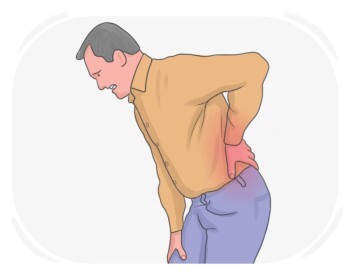
a pain in someone's back
боль в спине
Боль в спине — это распространенная жалоба среди офисных работников.
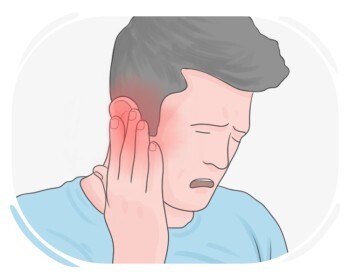
a pain inside the ear
ушная боль
Не игнорируйте сильную боль в ухе, это может потребовать медицинской помощи.
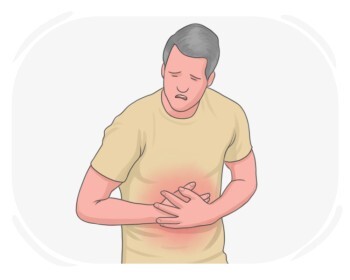
a pain in or near someone's stomach
боль в животе
Слишком много кофе вызывает у меня боль в желудке.
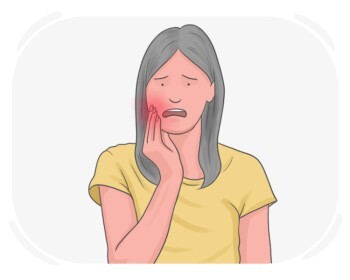
pain felt in a tooth or several teeth
зубная боль
После того как она съела слишком много сладостей, у нее появилась сильная зубная боль.
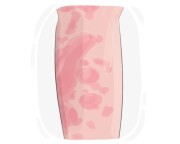
a part of one's skin covered with red spots, which is usually caused by a sickness or an allergic reaction
сыпь
Сыпь — это изменение внешнего вида кожи, часто характеризующееся покраснением, бугорками или волдырями.
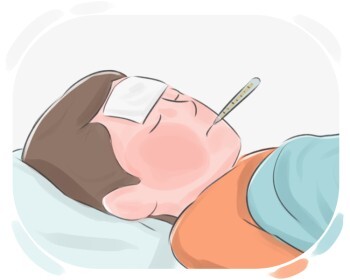
a condition characterized by a body temperature above the normal range, often indicating an immune response to infection or illness within the body
температура
Высокая температура часто является одним из первых признаков того, что организм борется с инфекцией.
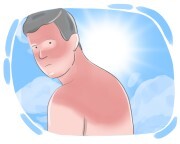
pain and redness of the skin caused by overexposure to the sun
солнечный ожог
После того как она провела весь день на пляже без солнцезащитного крема, у нее появился сильный солнечный ожог.
![to [be] sick](https://cdn.langeek.co/photo/26300/thumb/350?type=jpeg "to [be] sick")
to throw up the contents of the stomach, often due to illness or nausea
позывы к рвоте
Он не хотел болеть в школе, поэтому вместо этого остался дома.
to eject what has been eaten or drunk through the mouth
рвать, блевать
Иногда ее рвет после употребления определенных продуктов.
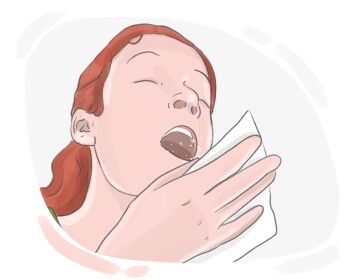
to blow air out of our nose and mouth in a sudden way
чихать
Не забудьте прикрыть рот, когда чихаете.

any physical injury, pain, suffering, or damage
травма, боль
Он почувствовал острую боль в лодыжке после того, как повредил её, играя в футбол.
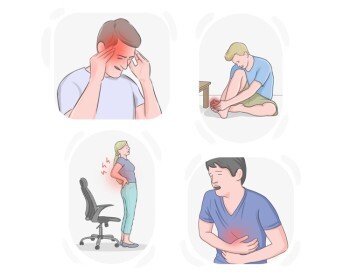
a continuous pain in a part of the body, often not severe
боль
После долгого похода у меня была боль в ногах.
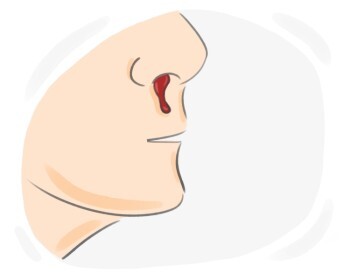
to lose blood from an injury or wound
кровоточить
Порез от бумаги на её пальце начал кровоточить после того, как она случайно задела его.
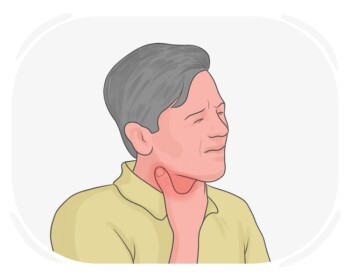
a condition when you feel pain in the throat, usually caused by bacteria or viruses
больное горло
Боль в горле часто является первым признаком простуды.
a medical condition in which body waste turns to liquid and comes out frequently
понос
Диарея характеризуется жидким, водянистым стулом, который происходит часто в течение дня.
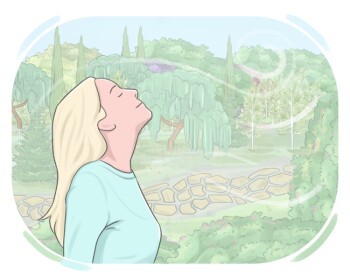
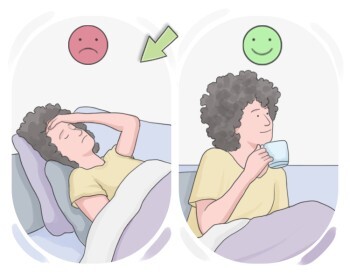
not in a good and healthy physical or mental state
больной
Я думаю, молоко было испорчено; оно сделало меня больным.
to suddenly lose consciousness from a lack of oxygen in the brain, which is caused by a shock, etc.
падать в обморок
Наблюдение за аварией заставило её потерять сознание, и она рухнула на месте.
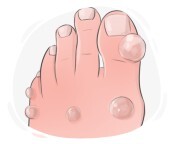
a swollen area on the skin filled with liquid, caused by constant rubbing or by burning
волдырь
Волдырь — это небольшой мешочек с жидкостью, который образуется на коже, обычно вызванный трением, ожогами или другими травмами.
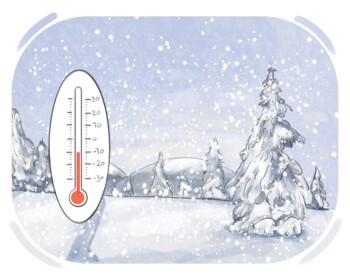
having a temperature lower than the human body's average temperature
холодный
Я предпочитаю пить холодную воду в жаркий день.
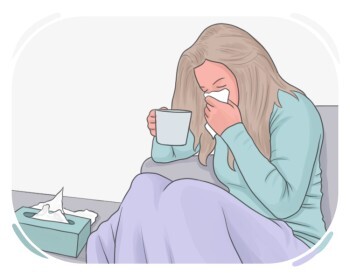
an infectious disease similar to a bad cold, causing fever and severe pain
грипп
После того как он заболел гриппом, он осознал важность вакцинации.
unable to keep one's balance and feeling as though everything is circling around one, caused by an illness or looking down from a high place
головокружение
Она почувствовала головокружение и лёгкость в голове, слишком быстро встав.
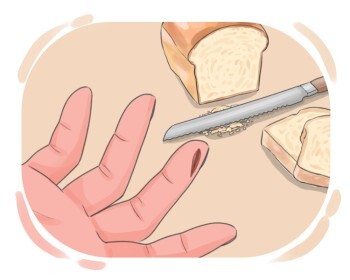
to accidentally wound and hurt yourself or others, especially with a sharp object, causing the skin to break and bleed
резать, поранить
(of a person) unresponsive and unaware of the surroundings, usually due to an illness or injury
потерявший сознание
Пациент оставался без сознания после аварии до прибытия парамедиков.
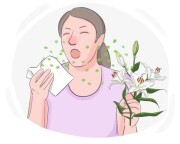
a reaction caused by inhaling, touching, or ingesting specific substances that one's body is severely sensitive to
аллергическая реакция
Аллергическая реакция может возникнуть, когда иммунная система чрезмерно реагирует на такое вещество, как пыльца или арахис.
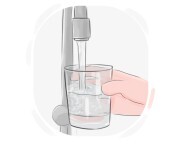
water that is brought into a house, building, etc. through pipes
проточная вода
Проточная вода необходима для поддержания гигиены и санитарии в домах и общественных учреждениях.

slightly wet, particularly in an uncomfortable way
влажный
Полотенце казалось сырым после того, как его оставили во влажной ванной.
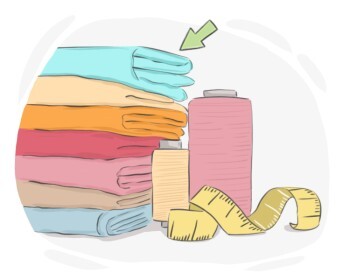
material used for making clothes, which is made by knitting or weaving silk, cotton, etc.
ткань
Она выбрала красивый кусок ткани для своего нового платья.
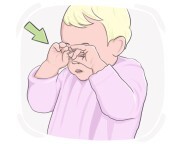
to apply pressure to a surface with back and forth or circular motions
потереть
Она решила растирать больные мышцы на плечах после долгого рабочего дня.
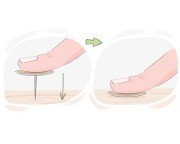
to push a thing tightly against something else
нажимать
Он нажал ногой на педаль газа, чтобы увеличить скорость машины.
to move something into an angled position where one side is lower or higher than the other
наклонить
Он случайно опрокинул вазу, из-за чего вода разлилась по всему столу.
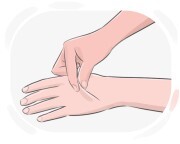
to tightly grip and squeeze something, particularly someone's flesh, between one's fingers
ущипнуть
Шеф-повар велел ученикам защипнуть края теста, чтобы создать декоративный узор.

a piece of cloth that is put around a wound to prevent infections
бинт
Она обмотала бинт вокруг пореза на пальце, чтобы защитить его от инфекции.
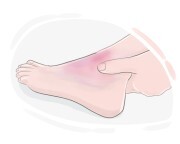
a painful injury resulting in the sudden twist of a bone or joint, particularly one's wrist or ankles
растяжение связок
Она получила растяжение, когда неудачно приземлилась, играя в баскетбол.
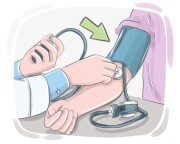
the pressure at which one's blood circulates one's body
кровяное давление
Высокое кровяное давление, также известное как гипертония, может привести к серьезным проблемам со здоровьем, если его не лечить.
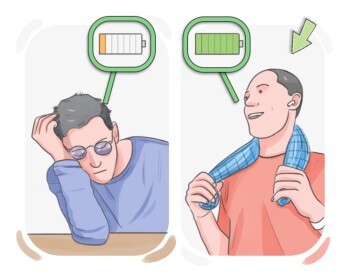
having a value or level greater than usual or expected, often in terms of numbers or measurements
высокий
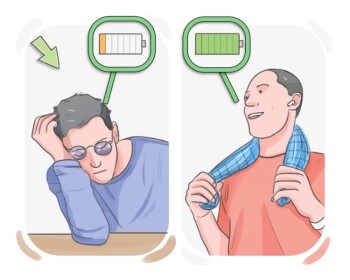
small or below average in degree, value, level, or amount
низкий
an illness resulting from the consumption of food or water contaminated with bacteria
пищевое отравление
Пищевое отравление может произойти после употребления загрязненной или недоваренной пищи, что приводит к таким симптомам, как тошнота и диарея.
to not be able to speak clearly and normally due to experiencing very strong emotions
задыхаться
Во время эмоциональной речи он почти задохнулся, переполненный воспоминаниями, которыми делился.
to be on fire and be destroyed by it
гореть, сгорать
Здание яростно горело, посылая клубы дыма в небо.
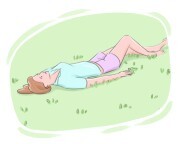
to put one's body in a flat position in order to sleep or rest
полежать
Я чувствую усталость, поэтому я собираюсь прилечь на некоторое время.
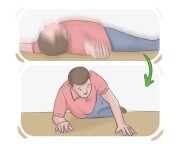
to lose consciousness
терять сознание, упасть в обморок
Во время боксерского поединка сильный удар заставил его потерять сознание на мгновение.
to awaken from a state of unconsciousness
приходить в себя
После обморока ей потребовалось несколько минут, чтобы прийти в себя и осознать, где она находится.
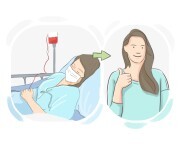
to recover from an unpleasant or unhappy experience, particularly an illness
оправиться от
Ей потребовалось несколько недель, чтобы полностью оправиться от гриппа.
to expel the contents of the stomach through the mouth
вырвать
Ухабистая поездка на автомобиле заставила страдающего укачиванием пассажира вырвать.
