
Il libro English File - Intermedio Superiore - Lezione 2A
Qui troverai il vocabolario della Lezione 2A del libro di corso English File Upper Intermediate, come "minore", "condizione", "vescica", ecc.
Revisione
Flashcard
forme
Ortografia
Quiz
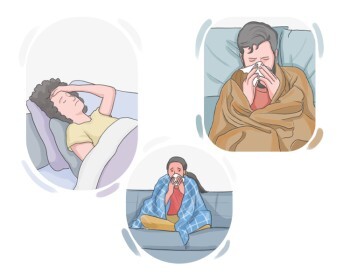
the state of being physically or mentally sick

malattia
La sua malattia lo ha tenuto a letto per settimane.
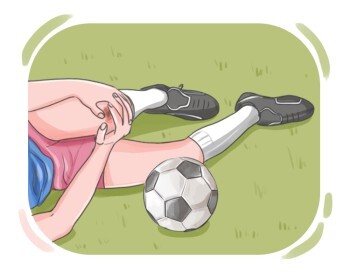
any physical damage to a part of the body caused by an accident or attack
ferita
Il soldato ha ricevuto un premio per il coraggio dopo un infortunio in battaglia.
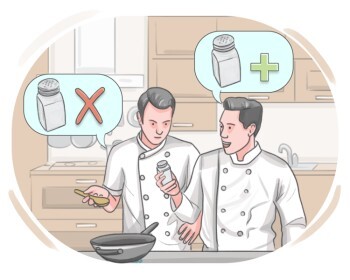
having little importance, effect, or seriousness
minore
Il suo infortunio era minore e non richiedeva cure mediche.
a medical problem, such as a disorder, illness, etc.
condizione
I pazienti con la condizione spesso riportano una varietà di sintomi che possono variare in gravità.
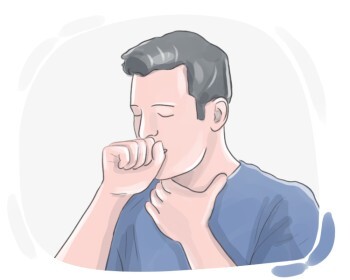
to push air out of our mouth with a sudden noise
tossire
Quando ha iniziato a tossire durante il suo discorso, qualcuno gli ha offerto un bicchiere d'acqua.
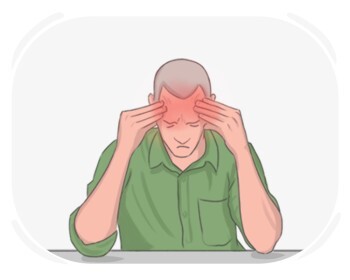
a pain in the head, usually persistent
male alla testa, mal di testa
Troppa caffeina a volte può causare un mal di testa.
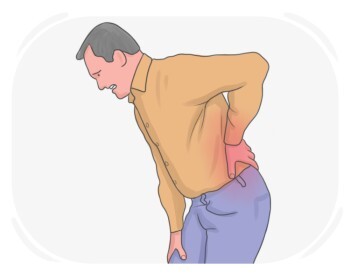
a pain in someone's back
mal di schiena
Mio padre soffre spesso di mal di schiena dopo una lunga giornata di lavoro.
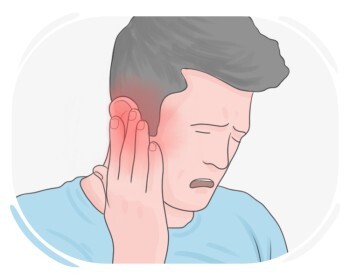
a pain inside the ear
mal d'orecchi
Indossare i tappi per le orecchie in un ambiente rumoroso può prevenire un mal d'orecchi.
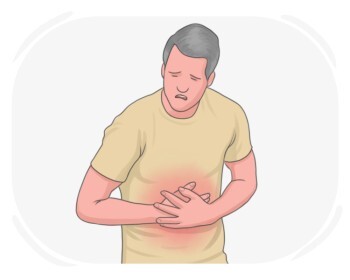
a pain in or near someone's stomach
mal di stomaco
Il mal di stomaco era così forte che ha dovuto andare in ospedale.
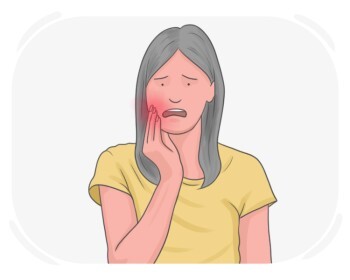
pain felt in a tooth or several teeth
mal di denti
Ha fissato un appuntamento con il suo dentista per curare il suo mal di denti.
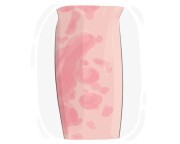
a part of one's skin covered with red spots, which is usually caused by a sickness or an allergic reaction
eruzione cutanea
Il trattamento per un eruzione cutanea dipende dalla sua causa e può coinvolgere creme o pomate topiche, farmaci orali, antistaminici o affrontare la condizione sottostante.
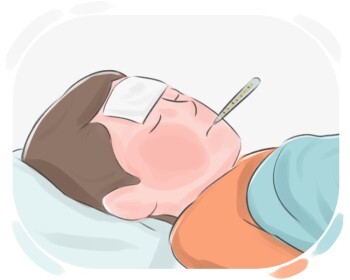
a condition characterized by a body temperature above the normal range, often indicating an immune response to infection or illness within the body
temperatura
Si sentiva male e ha controllato la sua temperatura, scoprendo che era significativamente più alta del normale.
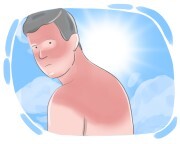
pain and redness of the skin caused by overexposure to the sun
scottatura dal sole
Il medico ha consigliato di trattare le scottature solari con gel di aloe vera per lenire il dolore e ridurre il rossore.
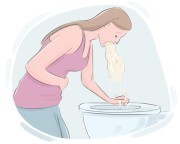
to throw up the contents of the stomach, often due to illness or nausea
vomitare
Lui non voleva essere malato di fronte ai suoi amici.
to eject what has been eaten or drunk through the mouth
vomitare
In questo momento, si sente nauseata e potrebbe presto vomitare.
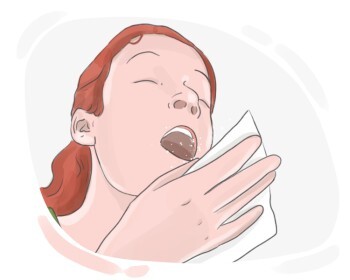
to blow air out of our nose and mouth in a sudden way
starnutire
Ogni volta che spolvero casa mia, starnutisco molto.

any physical injury, pain, suffering, or damage
ferita, dolore
Ha applicato il ghiaccio sulla zona ferita, sperando di ridurre il gonfiore e alleviare un po' di disagio.
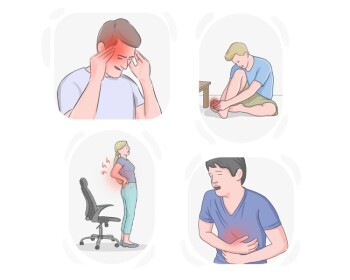
a continuous pain in a part of the body, often not severe
dolore
Si è svegliata con un dolore sordo al collo.
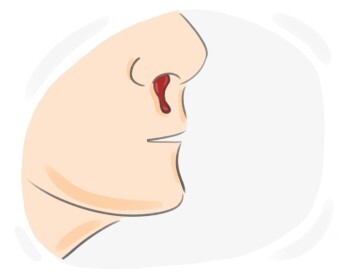
to lose blood from an injury or wound
sanguinare
La scorsa settimana, mi sono accidentalmente tagliato un dito, e ha sanguinato per un po'.
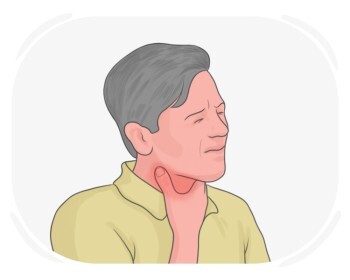
a condition when you feel pain in the throat, usually caused by bacteria or viruses
mal di gola
Lei ha bevuto tè caldo con miele per lenire il suo mal di gola.
a medical condition in which body waste turns to liquid and comes out frequently
diarrea
La diarrea cronica può indicare condizioni di salute sottostanti e richiede una valutazione medica per una diagnosi e una gestione adeguate.
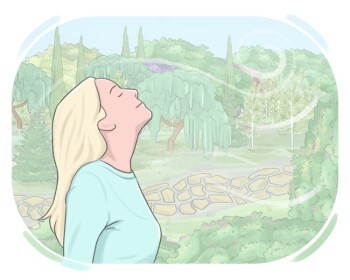
to experience a particular emotion
sentire
Sento eccitazione per le prossime vacanze.
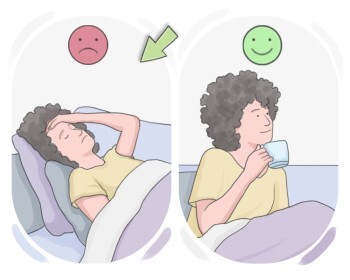
not in a good and healthy physical or mental state
malato
Era così malata, che ha perso il viaggio.
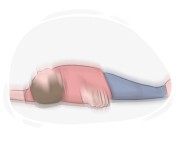
to suddenly lose consciousness from a lack of oxygen in the brain, which is caused by a shock, etc.
svenire
Ieri sera, è svenuto inaspettatamente durante il film horror.
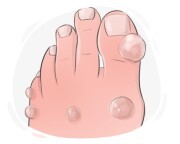
a swollen area on the skin filled with liquid, caused by constant rubbing or by burning
vescica
Nei casi gravi, le vescicole grandi o infette possono richiedere attenzione medica per prevenire complicazioni e favorire la guarigione.
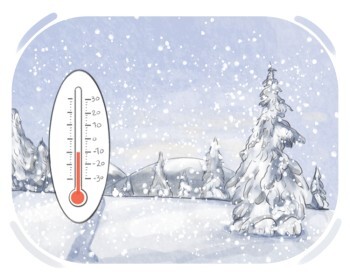
having a temperature lower than the human body's average temperature
freddo
I cubetti di ghiaccio hanno reso la bevanda rinfrescantemente fredda.
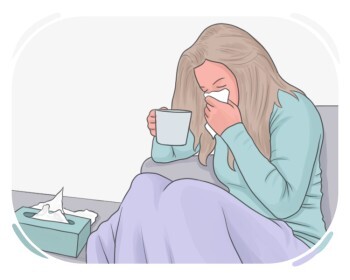
an infectious disease similar to a bad cold, causing fever and severe pain
influenzano
Indossare una mascherina può aiutare a prevenire la diffusione dell'influenza.
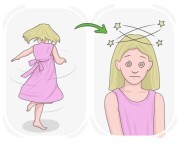
unable to keep one's balance and feeling as though everything is circling around one, caused by an illness or looking down from a high place
stordito
Alcuni farmaci possono causare effetti collaterali come vertigini e sonnolenza in alcuni pazienti.
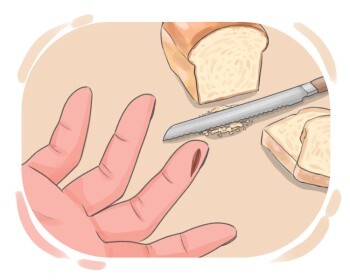
to accidentally wound and hurt yourself or others, especially with a sharp object, causing the skin to break and bleed
tagliare, ferire
Si è tagliata con il vetro rotto mentre puliva.
(of a person) unresponsive and unaware of the surroundings, usually due to an illness or injury
senza conoscenza
L'incidente lo ha lasciato incosciente e incapace di reagire.
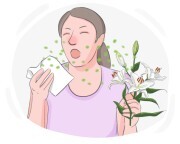
a reaction caused by inhaling, touching, or ingesting specific substances that one's body is severely sensitive to
reazione allergica
Evitare gli allergeni noti è fondamentale per prevenire una reazione allergica negli individui sensibili.
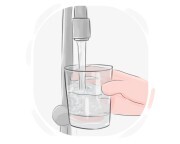
water that is brought into a house, building, etc. through pipes
acqua corrente
L'installazione di acqua corrente nelle zone rurali ha migliorato significativamente la salute e la qualità della vita dei residenti.
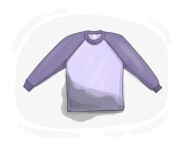
slightly wet, particularly in an uncomfortable way
umido
Il pelo del cane era umido dopo aver giocato nell'irrigatore in una giornata calda.
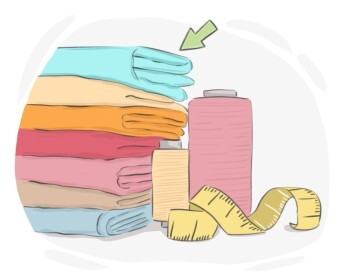
material used for making clothes, which is made by knitting or weaving silk, cotton, etc.
tessuto
Hanno usato un tessuto di seta fine per creare eleganti abiti da sera.
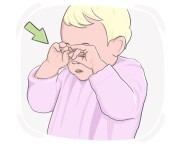
to apply pressure to a surface with back and forth or circular motions
strofinare
Si strofino la fronte con frustrazione mentre cercava di risolvere il difficile puzzle.
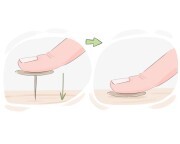
to push a thing tightly against something else
premere
to move something into an angled position where one side is lower or higher than the other
suggerimento
Il camion si è inclinato leggermente mentre faceva una curva stretta, ma il conducente ha mantenuto il controllo.
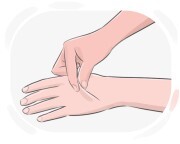
to tightly grip and squeeze something, particularly someone's flesh, between one's fingers
puntare
Dovette pizzicare il ponte del naso per alleviare il mal di testa crescente.

a piece of cloth that is put around a wound to prevent infections
benda
Dopo l'infortunio, il medico gli ha ordinato di cambiare la fascia quotidianamente per garantire una corretta guarigione.
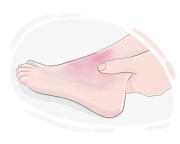
a painful injury resulting in the sudden twist of a bone or joint, particularly one's wrist or ankles
slogata
Una distorsione grave può richiedere settimane per guarire, a seconda dell'entità del danno.
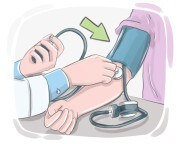
the pressure at which one's blood circulates one's body
ipertensione
Lo stress può influenzare significativamente la pressione sanguigna, facendola aumentare temporaneamente in situazioni di tensione.
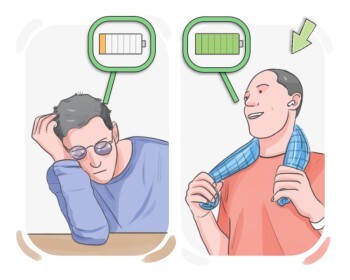
having a value or level greater than usual or expected, often in terms of numbers or measurements
alto
I risultati del test hanno mostrato un elevato tasso di errori.
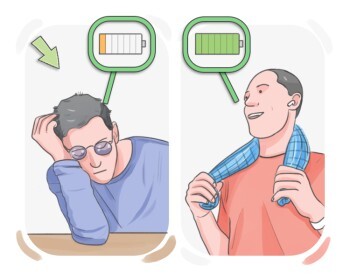
small or below average in degree, value, level, or amount
basso
Quel piatto è sorprendentemente basso in calorie.
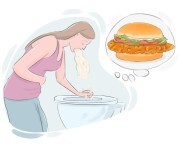
an illness resulting from the consumption of food or water contaminated with bacteria
intossicazione alimentare
Il ristorante è stato temporaneamente chiuso dopo numerose segnalazioni di intossicazione alimentare da parte di clienti che avevano mangiato lì.
to not be able to speak clearly and normally due to experiencing very strong emotions
soffocare
Cominciò a soffocare nelle sue parole mentre cercava di esprimere la sua gratitudine attraverso le lacrime.
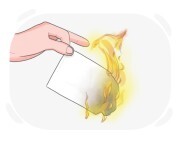
to be on fire and be destroyed by it
bruciare, ardere
Le foglie secche nel cortile bruciarono facilmente quando una piccola fiamma le toccò.
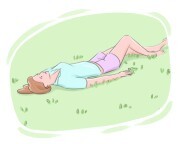
to put one's body in a flat position in order to sleep or rest
stendersi
Il medico gli ha consigliato di sdraiarsi se si sentiva stordito.
to lose consciousness
svenire
Senza una sufficiente ventilazione nella stanza, diverse persone hanno iniziato a sentirsi come se potessero svenire.
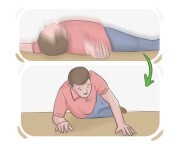
to awaken from a state of unconsciousness
vieni
L'escursionista cadde e si colpì la testa, ma presto riprese conoscenza e fu in grado di continuare l'escursione.
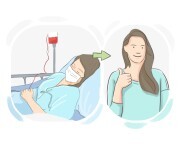
to recover from an unpleasant or unhappy experience, particularly an illness
guarire
Alla fine ha superato la sua paura di parlare in pubblico.
to expel the contents of the stomach through the mouth
vomitare
Il cattivo odore nella stanza la fece sentire male, e dovette vomitare.
| Il libro English File - Intermedio Superiore | |||
|---|---|---|---|
| Lezione 1A | Lezione 1B | Lezione 2A | Lezione 2B |
| Lezione 3A | Lezione 3B | Lezione 4A | Lezione 4B |
| Lezione 5A | Lezione 5B | Lezione 6A | Lezione 6B |
| Lezione 7A | Lezione 7B | Lezione 8A | Lezione 8B |
| Lezione 9A | Lezione 9B | Lezione 10A | Lezione 10B |
