
Cartea English File - Intermediar avansat - Lecția 2A
Aici veți găsi vocabularul din Lecția 2A a manualului English File Upper Intermediate, cum ar fi "minor", "condiție", "bășică", etc.
Revizuire
Fișe de studiu
forme
Ortografie
Chestionar
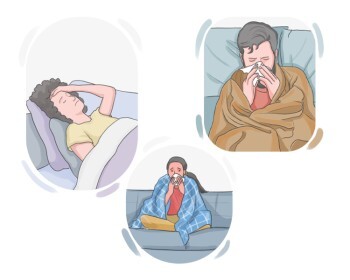
the state of being physically or mentally sick

boală, afecțiune
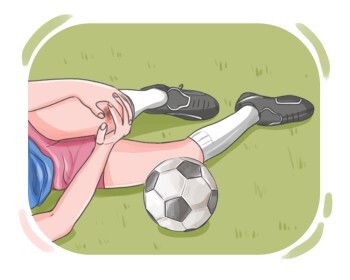
any physical damage to a part of the body caused by an accident or attack
rană, leziune
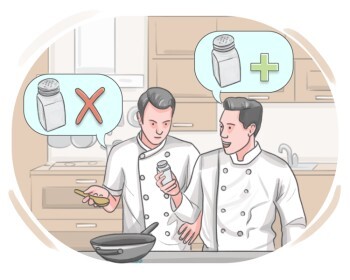
having little importance, effect, or seriousness
minor, neînsemnat
a medical problem, such as a disorder, illness, etc.
condiție, boală
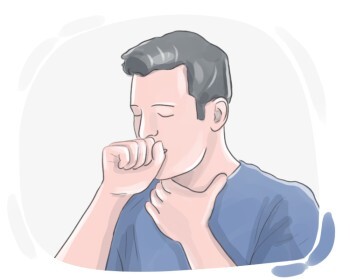
to force air suddenly out of the lungs through the throat with a short, sharp sound
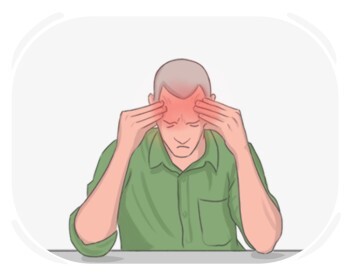
a pain in the head, usually persistent
durere de cap
Evitarea stresului vă poate ajuta să preveniți durerile de cap.
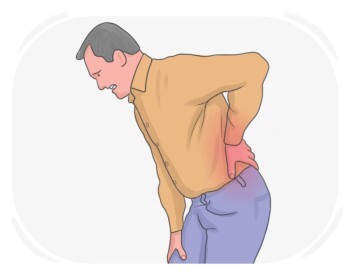
a pain in someone's back
durere de spate, lombalgie
Durerea de spate este o plângere frecventă în rândul angajaților de birou.
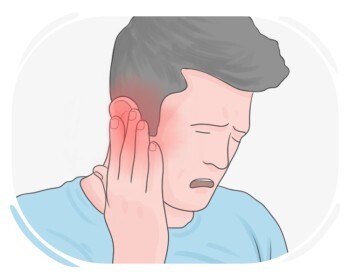
a pain inside the ear
durere de ureche, otalgie
Nu ignora o durere de urechi severă, ar putea avea nevoie de atenție medicală.
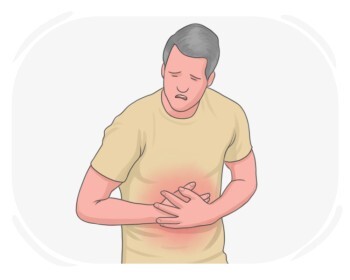
a pain in or near someone's stomach
durere de stomac, durere în stomac
Prea multă cafea îmi provoacă dureri de stomac.
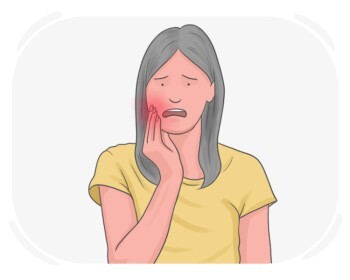
pain felt in a tooth or several teeth
durere de dinte, dinţi sensibili
După ce a mâncat prea multe dulciuri, a avut o durere de dinți severă.
a part of one's skin covered with red spots, which is usually caused by a sickness or an allergic reaction
erupție cutanată, roșeață
O erupție cutanată este o modificare a aspectului pielii, adesea caracterizată prin roșeață, umflături sau bășici.
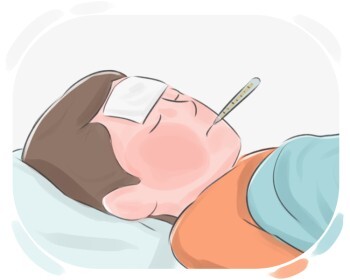
a condition characterized by a body temperature above the normal range, often indicating an immune response to infection or illness within the body
febră, temperatură ridicată
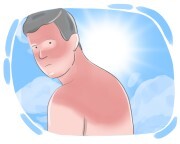
pain and redness of the skin caused by overexposure to the sun
arsură solară, ardere solară
După ce a petrecut toată ziua pe plajă fără cremă de protecție solară, a suferit o arsură solară severă.
![to [be] sick](https://cdn.langeek.co/photo/26300/thumb/350?type=jpeg "to [be] sick")
to throw up the contents of the stomach, often due to illness or nausea
Nu a vrut să se îmbolnăvească la școală, așa că a rămas acasă în schimb.
to eject what has been eaten or drunk through the mouth
voma, borî
Ea vomită uneori după ce mănâncă anumite alimente.
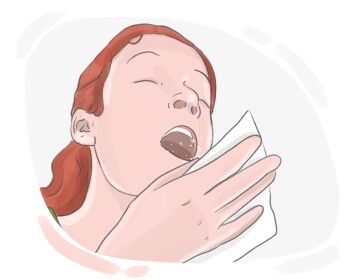
to blow air out of our nose and mouth in a sudden way
strănuta, face un strănut
Nu uitați să vă acoperiți gura când strănutați.

any physical injury, pain, suffering, or damage
rană, durere
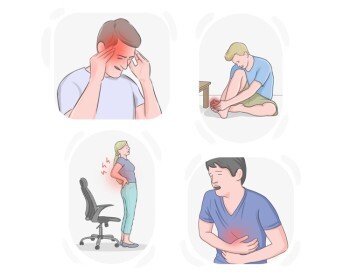
a continuous pain in a part of the body, often not severe
durere, chin
După plimbarea lungă, aveam o durere în picioare.
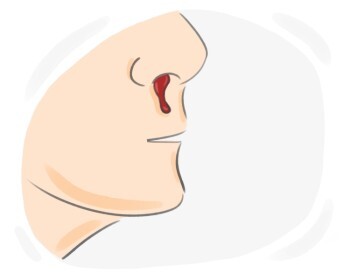
to lose blood from an injury or wound
sângera, a pierde sânge
Tăietura de hârtie de pe degetul ei a început să sângereze după ce l-a atins accidental.
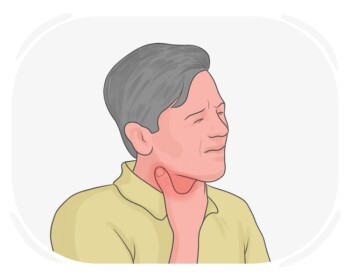
a condition when you feel pain in the throat, usually caused by bacteria or viruses
durere în gât
Durere în gât este adesea primul semn al unei răceli.
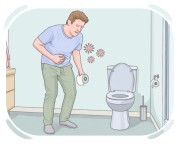
a medical condition in which body waste turns to liquid and comes out frequently
diaree, dizenterie
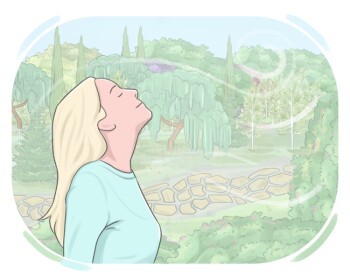
to experience a particular emotion
simți, experimenta
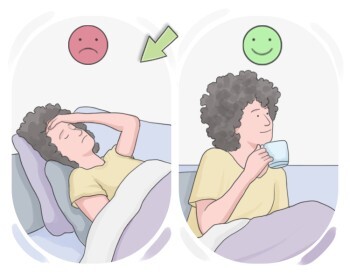
not in a good and healthy physical or mental state
bolnav, grețos
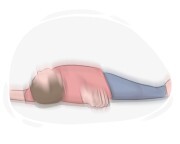
to lose consciousness for a short time, especially because of heat, pain, shock, or weakness
a leșina
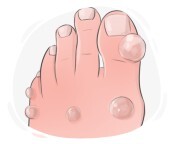
a swollen area on the skin filled with liquid, caused by constant rubbing or by burning
bășică, vezică
O bășică este un mic sac cu lichid care se formează pe piele, de obicei cauzat de frecare, arsuri sau alte leziuni.
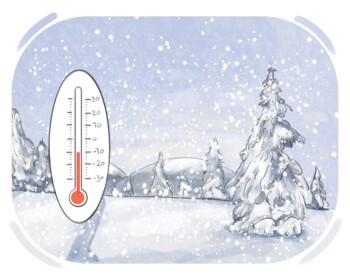
having a temperature lower than the human body's average temperature
rece, înghețat
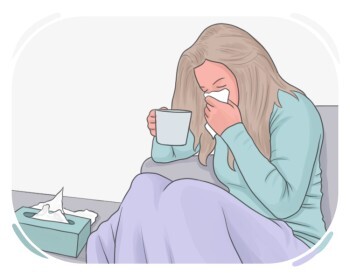
an infectious disease similar to a bad cold, causing fever and severe pain
gripă
După ce a prins gripa, și-a dat seama de importanța vaccinării.
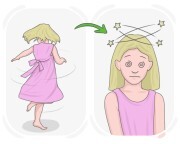
unable to keep one's balance and feeling as though everything is circling around one, caused by an illness or looking down from a high place
amețit, vertiginos
S-a simțit amețită și cu capul ușor după ce s-a ridicat prea repede.
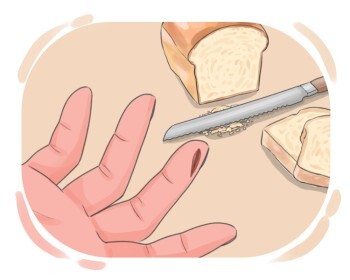
to accidentally wound and hurt yourself or others, especially with a sharp object, causing the skin to break and bleed
tăia, răni
not awake or aware of one's surroundings, especially because of injury or illness
inconștient, fără cunoștință
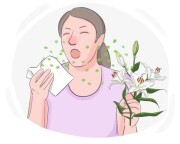
a reaction caused by inhaling, touching, or ingesting specific substances that one's body is severely sensitive to
reacție alergică
O reacție alergică poate apărea atunci când sistemul imunitar reacționează excesiv la o substanță precum polenul sau arahidele.
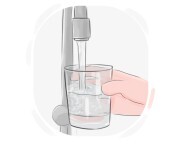
water that is brought into a house, building, etc. through pipes
apă curentă, apă potabilă
Apa curentă este esențială pentru menținerea igienei și a salubrității în casele și facilitățile publice.

slightly wet, especially in a way that feels unpleasant
umed, jilav
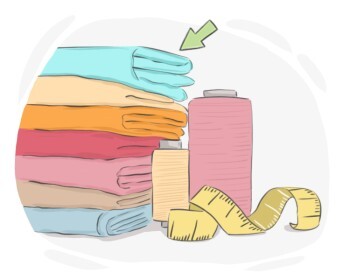
material made by weaving, knitting, or otherwise forming fibers, especially for making clothes or household items
stofă, pânză
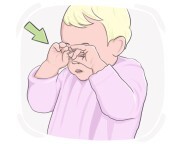
to move a hand, cloth, or other object repeatedly over a surface while pressing against it
freca, a freca
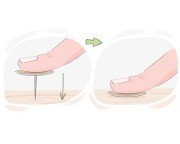
to push a thing tightly against something else
apăsa, presiona
to move something into an angled position where one side is lower or higher than the other
înclina, răsturna
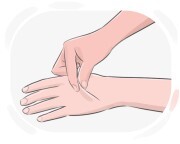
to tightly grip and squeeze something, particularly someone's flesh, between one's fingers
ciupi, strânge
Bucătarul a instruit elevii să strângă marginile aluatului pentru a crea un model decorativ.

a piece of cloth that is put around a wound to prevent infections
bandaj, fasce
A înfășurat un bandaj în jurul tăieturii de pe deget pentru a o proteja de infecție.
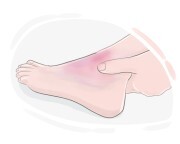
a painful injury resulting in the sudden twist of a bone or joint, particularly one's wrist or ankles
entorsă, luxație
Ea a suferit o entorsă când a aterizat neîndemânatic în timp ce juca baschet.
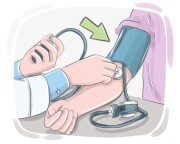
the pressure at which one's blood circulates one's body
tensiune arterială, presiune sanguină
Tensiunea arterială ridicată, cunoscută și sub numele de hipertensiune, poate duce la probleme de sănătate grave dacă nu este tratată.
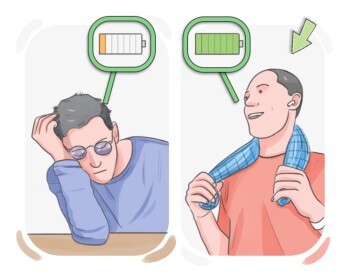
having a value or level greater than usual or expected, often in terms of numbers or measurements
înalt, ridicat
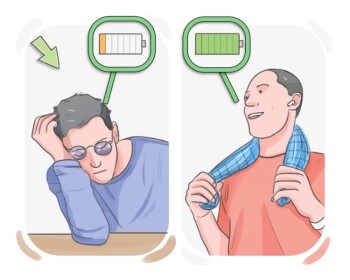
small or below average in degree, value, level, or amount
scăzut, mic
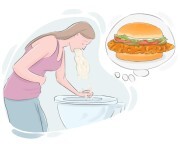
an illness resulting from the consumption of food or water contaminated with bacteria
intoxicație alimentară, otrăvire alimentară
Intoxicația alimentară poate apărea după consumul de alimente contaminate sau insuficient fierte, ducând la simptome precum greață și diaree.
to not be able to speak clearly and normally due to experiencing very strong emotions
se înăbuși, a nu putea vorbi clar din cauza emoțiilor puternice
În timpul discursului emoționant, aproape că se îneacă, copleșit de amintirile pe care le împărtășea.
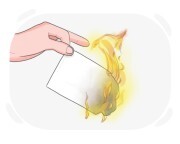
to be on fire and be destroyed by it
arde, se incendia
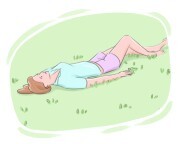
to put one's body in a flat position in order to sleep or rest
a se întinde pentru a dormi sau a se odihni, a-și pune corpul în poziție orizontală
Mă simt obosit, așa că am să mă întind puțin.
to lose consciousness
a leșina, a-și pierde cunoștința
Fără suficientă ventilație în cameră, mai multe persoane au început să simtă că ar putea leșina.
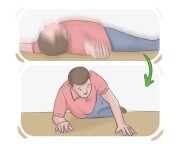
to awaken from a state of unconsciousness
își recăpăta cunoștința, se trezi
După ce leșină, i-a luat câteva minute să își revină și să realizeze unde se află.
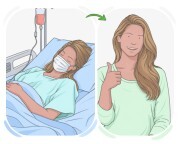
to recover from an unpleasant or unhappy experience, particularly an illness
a se recupera după o boală sau experiență neplăcută, a-și reveni după boală sau suferință
I-a luat câteva săptămâni să se vindece complet de gripă.
to expel the contents of the stomach through the mouth
a vomita, a vărsa
Călătoria cu mașina denivelată l-a făcut pe pasagerul rău de mișcare să vomite.
