

pattern

IELTS Academic을 위한 어휘 (점수 5) - 천문학

여기에서는 기본 학술 IELTS 시험에 필요한 천문학 관련 영어 단어를 배우게 됩니다.

리뷰

플래시카드

철자법

퀴즈

학습 시작
Vocabulary for IELTS Academic (Band 5)
orbiter
orbiter
[명사]

a spacecraft with the purpose of cricling around a celectial obejct without landing on it

궤도선, 오비터

궤도선, 오비터

Ex: The Mars orbiter sent back high-resolution images of the planet's surface. 
닫기
로그인
astrology
astrology
[명사]

the study of the movements of stars and planets that are thought to affect people and the world

점성술

점성술

Ex: Astrology is the study of the positions and movements of celestial bodies, believed to influence human affairs and natural events. 
닫기
로그인
satellite
satellite
[명사]

an object sent into space to travel around the earth and send or receive information

위성, 우주선

위성, 우주선

Ex: The weather satellite provided real-time images of storm systems to help meteorologists forecast the weather. 
닫기
로그인
universe
universe
[명사]

all that exists in the physical world, such as space, planets, galaxies, etc.

우주

우주

Ex: Astronomers study distant galaxies to understand the vastness and complexity of the universe. 
닫기
로그인
galaxy
galaxy
[명사]

a large number of star systems bound together by gravitational force

은하

은하

Ex: Galaxies can vary in shape and size, with types including spiral, elliptical, and irregular galaxies, each having distinct structures and characteristics. 
닫기
로그인
star
star
[명사]

(astronomy) a shining point found in large numbers in the night sky

별, 천체

별, 천체

Ex: I looked up at the night sky and saw a shooting star. 
닫기
로그인
planet
planet
[명사]

a huge round object that moves in an orbit, around the sun, or any other star

행성, 천체

행성, 천체

Ex: Jupiter is the largest planet in our solar system. 
닫기
로그인
sun
sun
[명사]

the large, bright star in the sky that shines during the day and gives us light and heat

태양, 낮의 별

태양, 낮의 별

Ex: The sun shines brightly, lighting up the entire sky. 
닫기
로그인
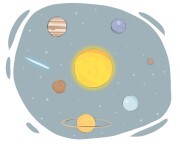
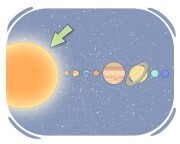
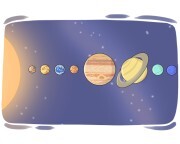
solar system
solar system
[명사]

the sun and the group of planets orbiting around it, including the earth

태양계, 태양계

태양계, 태양계

Ex: Earth is one of eight planets in the solar system. 
닫기
로그인
orbit
orbit
[명사]

the path an object in the space follows to move around a planet, star, etc.

궤도, 운행 궤도

궤도, 운행 궤도

Ex: The satellite was placed into a stable orbit to continuously monitor weather patterns from space. 
닫기
로그인
spacecraft
spacecraft
[명사]

a vehicle designed to travel in space

우주선, 우주 비행체

우주선, 우주 비행체

Ex: The spacecraft was launched to explore Mars and collect data about the planet's surface and atmosphere. 
닫기
로그인
spacesuit
spacesuit
[명사]

clothing used by astronauts while traveling in space

우주복, 스페이스슈트

우주복, 스페이스슈트

Ex: During training, astronauts practiced maneuvering in their spacesuits to become accustomed to the added bulk. 
닫기
로그인
shuttle
shuttle
[명사]

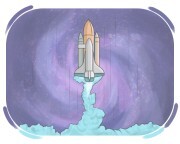
A spacecraft designed to transport people or equipment between Earth and a space station or other celestial destination, typically capable of multiple trips

셔틀, 우주선

셔틀, 우주선

Ex: The shuttle Discovery completed 39 missions before retiring. 
닫기
로그인
rocket
rocket
[명사]

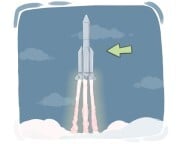
a spacecraft that moves up by the force of the gases produced when the fuel burns

로켓

로켓

Ex: The rocket lifted off from the launch pad, carrying a satellite into orbit around Earth. 
닫기
로그인
cosmos
cosmos
[명사]

the universe, particularly when it is thought of as a systematic whole

우주, 코스모스

우주, 코스모스

Ex: The study of the cosmos encompasses the exploration of galaxies, stars, and planets. 
닫기
로그인
NASA
NASA
[명사]

a US government agency responsible for space travel and the study of space

NASA,  국립 항공 우주국은 미국의 민간 우주 프로그램을 담당합니다.

NASA, 국립 항공 우주국은 미국의 민간 우주 프로그램을 담당합니다.

Ex: NASA, the National Aeronautics and Space Administration, is responsible for the United States' civilian space program. 
닫기
로그인
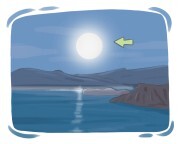
moon
moon
[명사]

the circular object going around the earth, visible mostly at night

달, 지구의 자연 위성

달, 지구의 자연 위성

Ex: Can you see the moon peeking out from behind the clouds? 
닫기
로그인
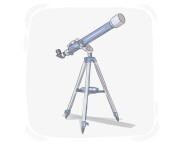
telescope
telescope
[명사]

a piece of equipment by which the far objects, particularly those in space, are made clearly visible

망원경, 텔레스코프

망원경, 텔레스코프

Ex: He used a telescope to observe the stars. 
닫기
로그인
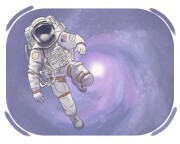
astronaut
astronaut
[명사]

someone who is trained to travel and work in space

우주비행사, 애스트로노트

우주비행사, 애스트로노트

Ex: She fulfilled her childhood dream of becoming an astronaut and traveled to the International Space Station. 
닫기
로그인
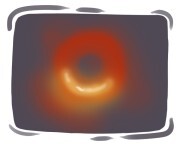
black hole
black hole
[명사]

a place in the space with such high gravity that pulls in everything, even light

블랙홀, 검은 구멍

블랙홀, 검은 구멍

Ex: Black holes are formed from the remnants of massive stars that have ended their life cycles and collapsed under their own gravity. 
닫기
로그인
light-year
light-year
[명사]

the distance that light travels in a year (about 9.46 trillion kilometers)

광년, 광년

광년, 광년

Ex: Proxima Centauri, the closest star to Earth, is 4.24 light-years away. 
닫기
로그인
the Milky Way

a pale band of light seen in the sky at night that contains the solar system and billions of other stars

은하수, 은하계

은하수, 은하계

Ex: The Milky Way is a barred spiral galaxy that contains our solar system. 
닫기
로그인
atmosphere
atmosphere
[명사]

the layer of gases surrounding a planet, held in place by gravity

대기, 기체층

대기, 기체층

Ex: Earth's atmosphere protects us from harmful solar radiation. 
닫기
로그인
big bang
big bang
[명사]

the explosion that, according to most scientists, caused the existence of the universe

빅뱅, 빅뱅 이론

빅뱅, 빅뱅 이론

Ex: The Big Bang theory posits that the universe began with a massive explosion approximately 13.8 billion years ago. 
닫기
로그인
LanGeek
LanGeek 앱 다운로드