
Từ vựng cho IELTS Academic (Điểm 5) - Thiên văn học
Ở đây, bạn sẽ học một số từ tiếng Anh liên quan đến Thiên văn học cần thiết cho kỳ thi IELTS Học thuật Cơ bản.
Xem lại
Thẻ ghi nhớ
Chính tả
Đố vui
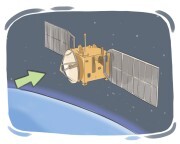
a spacecraft with the purpose of cricling around a celectial obejct without landing on it

tàu quỹ đạo, orbiter
Nhiệm vụ của tàu quỹ đạo là nghiên cứu bầu khí quyển của sao Mộc trong năm năm.
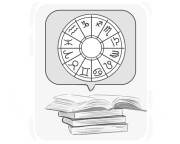
the study of the movements of stars and planets that are thought to affect people and the world
chiêm tinh học
Những người hoài nghi cho rằng chiêm tinh học thiếu bằng chứng khoa học nhưng thừa nhận tầm quan trọng văn hóa và sự phổ biến của nó.
an artificial object sent into space to orbit Earth or another celestial body, usually to collect or transmit information
vệ tinh, vệ tinh nhân tạo
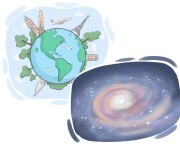
all existing matter, energy, space, stars, planets, galaxies, and everything else that physically exists
vũ trụ, vũ trụ học

a large number of star systems bound together by gravitational force
thiên hà
Kính viễn vọng Không gian Hubble đã chụp được hình ảnh của hàng ngàn thiên hà, cung cấp cái nhìn sâu sắc về sự hình thành và tiến hóa của chúng.

(astronomy) a shining point found in large numbers in the night sky
ngôi sao, tinh tú
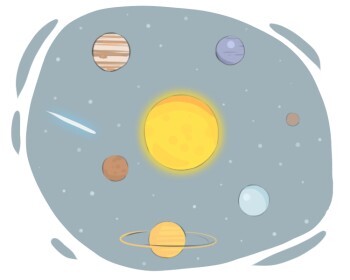
a large, nearly round object in space that moves in an orbit around a star
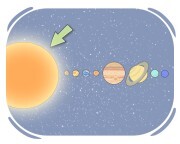
the large, bright star in the sky that shines during the day and gives us light and heat
mặt trời, vầng thái dương
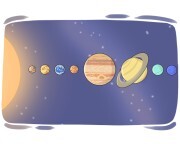
the sun and the group of planets orbiting around it, including the earth
hệ mặt trời, hệ mặt trời
Một số mặt trăng trong hệ mặt trời có thể có điều kiện phù hợp cho sự sống.

the path an object in the space follows to move around a planet, star, etc.
quỹ đạo, đường bay
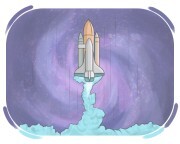
a vehicle designed to travel in space
tàu vũ trụ, phi thuyền không gian
Bộ phim tài liệu đã giới thiệu quá trình phát triển và phóng một tàu vũ trụ mới được thiết kế để khám phá không gian sâu.

clothing used by astronauts while traveling in space
bộ đồ vũ trụ, áo phi hành gia
Triển lãm của bảo tàng có một bản sao của bộ đồ không gian được mặc trong các lần hạ cánh mặt trăng Apollo.

A spacecraft designed to transport people or equipment between Earth and a space station or other celestial destination, typically capable of multiple trips
tàu con thoi, tàu vũ trụ
Tàu con thoi đã cập bến Trạm Vũ trụ Quốc tế để giao hàng tiếp tế.

a spacecraft that moves up by the force of the gases produced when the fuel burns
tên lửa
Động cơ của tên lửa khởi động, tạo ra lực đẩy cần thiết để vượt qua trọng lực của Trái Đất và bay vào không gian.
the universe regarded as an ordered and unified whole
vũ trụ, vũ trụ quan
a US government agency responsible for space travel and the study of space
NASA, Cơ quan Hàng không và Vũ trụ Quốc gia
Các phi hành gia từ NASA đã tiến hành các thí nghiệm trên Trạm Vũ trụ Quốc tế để nghiên cứu tác động của vi trọng lực lên cơ thể con người.
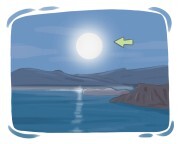
the circular object going around the earth, visible mostly at night
mặt trăng, vệ tinh tự nhiên của Trái Đất
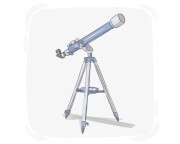
a piece of equipment by which the far objects, particularly those in space, are made clearly visible
kính thiên văn, ống nhòm
Một kính viễn vọng có thể giúp bạn nhìn thấy các hành tinh cách xa hàng triệu dặm.
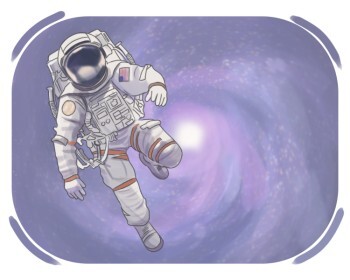
someone who is trained to travel and work in space
phi hành gia, nhà du hành vũ trụ
Anh ấy đã trải qua quá trình huấn luyện thể chất và tinh thần khắc nghiệt để đủ tiêu chuẩn trở thành phi hành gia.
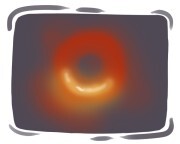
a place in the space with such high gravity that pulls in everything, even light
hố đen, lỗ đen
Các nhà khoa học phát hiện lỗ đen bằng cách quan sát tác động của lực hấp dẫn của chúng lên các vật thể và ánh sáng gần đó, thay vì nhìn thấy chính các lỗ đen một cách trực tiếp.
(astronomy) the distance light travels in one year, equal to about 5.88 trillion miles or 9.46 trillion kilometers
năm ánh sáng
a pale band of light seen in the sky at night that contains the solar system and billions of other stars
Dải Ngân Hà, Thiên Hà
Các nhà thiên văn học nghiên cứu cấu trúc và sự tiến hóa của thiên hà Dải Ngân Hà.
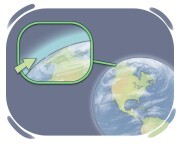
the layer of gases surrounding a planet, held in place by gravity
khí quyển, lớp khí
the explosion that, according to most scientists, caused the existence of the universe
Vụ Nổ Lớn, thuyết Vụ Nổ Lớn
Khái niệm Vụ Nổ Lớn đã cách mạng hóa hiểu biết của chúng ta về nguồn gốc và sự tiến hóa của vũ trụ.
