
Slovní zásoba pro IELTS Academic (Skóre 5) - Astronomie
Zde se naučíte některá anglická slova související s astronomií, která jsou nezbytná pro základní akademickou zkoušku IELTS.
Revize
Kartičky
Pravopis
Kvíz

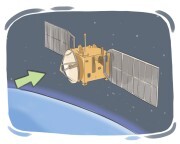
a spacecraft with the purpose of cricling around a celectial obejct without landing on it

orbiter, orbitální plavidlo
Údaje z Venušina orbiteru odhalily nové podrobnosti o jeho toxických mracích.
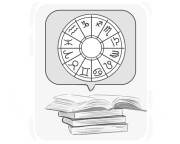
the study of the movements of stars and planets that are thought to affect people and the world
astrologie
Někteří lidé používají astrologii k vedení rozhodnutí v oblastech, jako jsou vztahy, volba kariéry a osobní rozvoj.
an object sent into space to travel around the earth and send or receive information
družice, vesmírné plavidlo
Studoval snímky zaslané družicí ve vesmíru.
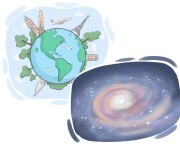
all that exists in the physical world, such as space, planets, galaxies, etc.
vesmír
Filozofové a fyzikové přemýšlejí o konečném osudu a původu vesmíru.

a large number of star systems bound together by gravitational force
galaxie
Pozorování vzdálených galaxií pomáhá astronomům pochopit raný vesmír a procesy, které vedly k formování galaxií.

(astronomy) a shining point found in large numbers in the night sky
hvězda, nebeské těleso
Použili jsme dalekohled k pozorování vzdálených hvězd a galaxií.
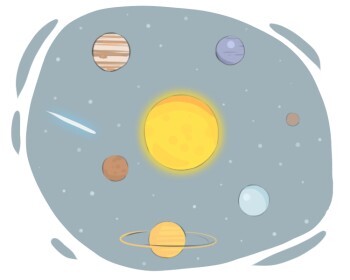
a huge round object that moves in an orbit, around the sun, or any other star
planeta, nebeské těleso
Saturnovy prstence z něj dělají jednu z nejvíce vizuálně výrazných planet v naší sluneční soustavě.
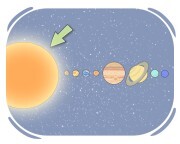
the large, bright star in the sky that shines during the day and gives us light and heat
slunce, denní hvězda
Slunečnice otočila svou tvář k slunci.
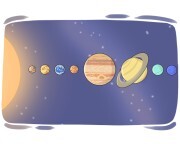
the sun and the group of planets orbiting around it, including the earth
sluneční soustava, sluneční soustava
Vědci věří, že sluneční soustava vznikla před více než 4,5 miliardami let.

the path an object in the space follows to move around a planet, star, etc.
oběžná dráha, dráha
Satelit byl umístěn na stabilní oběžnou dráhu, aby nepřetržitě sledoval počasí z vesmíru.
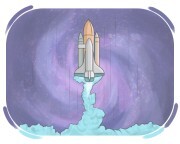
a vehicle designed to travel in space
kosmická loď, vesmírné plavidlo
Po dokončení své mise kosmická loď znovu vstoupila do zemské atmosféry a bezpečně se vrátila se vzorky nasbíranými z vesmíru.

clothing used by astronauts while traveling in space
skafandr, kosmický oblek
Objemný design skafandru je nezbytný pro zajištění izolace a tlaku ve vakuu vesmíru.

A spacecraft designed to transport people or equipment between Earth and a space station or other celestial destination, typically capable of multiple trips
raketoplán, kosmická loď
Raketoplán jej chránil během návratu do zemské atmosféry.

a spacecraft that moves up by the force of the gases produced when the fuel burns
raketa
Raketa odstartovala z odpalovací rampy a vynesla satelit na oběžnou dráhu kolem Země.
the universe, particularly when it is thought of as a systematic whole
kosmos, vesmír
Pochopení kosmu vyžaduje interdisciplinární spolupráci mezi astronomií, kosmologií a fyzikou.
a US government agency responsible for space travel and the study of space
NASA, Národní úřad pro letectví a vesmír
Program Artemis NASA má za cíl vrátit astronauty na Měsíc a vytvořit udržitelnou měsíční přítomnost do 20. let 21. století.
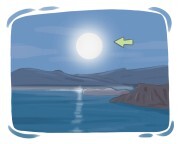
the circular object going around the earth, visible mostly at night
měsíc, přirozený satelit Země
Měsíc vypadal tak blízko, jako bychom na něj mohli dosáhnout a dotknout se ho.
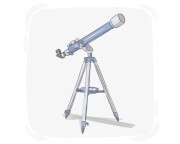
a piece of equipment by which the far objects, particularly those in space, are made clearly visible
teleskop, dalekohled
Koupili si dalekohled, aby zlepšili své pozorování noční oblohy.
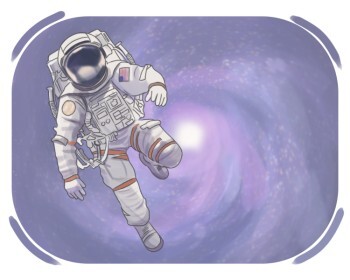
someone who is trained to travel and work in space
astronaut, kosmonaut
Napsal paměti, které podrobně popisují jeho zkušenosti jako astronauta, včetně jeho výstupů do vesmíru a vědeckého výzkumu.
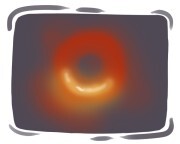
a place in the space with such high gravity that pulls in everything, even light
černá díra, temná díra
Hranice obklopující černou díru, za kterou nic nemůže uniknout, se nazývá horizont událostí.
the distance that light travels in a year (about 9.46 trillion kilometers)
světelný rok, ly
Teleskop zachytil světlo z kvasaru vzdáleného miliardy světelných let.
a pale band of light seen in the sky at night that contains the solar system and billions of other stars
Mléčná dráha, Galaxie
Starověké kultury pozorovaly Mléčnou dráhu a začleňovaly ji do svých mýtů a legend.
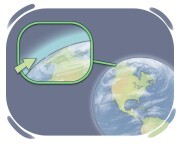
the layer of gases surrounding a planet, held in place by gravity
atmosféra, plynná vrstva
Bez atmosféry nemá Měsíc žádné počasí ani vzduch.
the explosion that, according to most scientists, caused the existence of the universe
Velký třesk, teorie Velkého třesku
Vědci nadále zkoumají důsledky teorie Velkého třesku prostřednictvím astronomických pozorování a teoretické fyziky.
| Slovní zásoba pro IELTS Academic (Skóre 5) | |||
|---|---|---|---|
| Education | Výzkum | Astronomie | Fyzika |
| Biologie | Chemie | Geologie | Psychologie |
| Matematika | Grafy a Obrázky | Geometrie | Životní prostředí |
| Energie a Výkon | Krajiny a Geografie | Technologie | Počítač |
| Internet | Výroba a Průmysl | Dějiny | Religion |
