


pattern

TOEFL을 위한 필수 어휘 - 공학 및 연구

여기에서는 "와이어", "스위치", "크레인" 등 TOEFL 시험에 필요한 공학 및 연구에 관한 몇 가지 영어 단어를 배우게 됩니다.

리뷰

플래시카드

형태

철자법

퀴즈

학습 시작
Essential Words Needed for TOEFL
apparatus
apparatus
[명사]

tools or machines that are designed for a specific purpose

장치, 기구

장치, 기구

Ex: The laboratory apparatus included microscopes, test tubes, and beakers. 
닫기
로그인
instrument
instrument
[명사]

a device or tool that requires specific knowledge on how to be used

기구, 도구

기구, 도구

Ex: The scientist used a complex instrument to measure the chemical reactions accurately. 
닫기
로그인
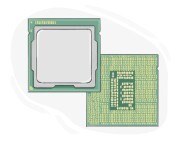
microchip
microchip
[명사]

a small piece of material that is a semiconductor, used to make an integrated circuit

마이크로칩, 칩

마이크로칩, 칩

Ex: The computer’s performance improved after upgrading its microchip. 
닫기
로그인
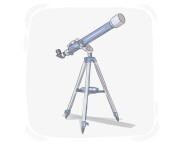
telescope
telescope
[명사]

a piece of equipment by which the far objects, particularly those in space, are made clearly visible

망원경, 텔레스코프

망원경, 텔레스코프

Ex: He used a telescope to observe the stars. 
닫기
로그인
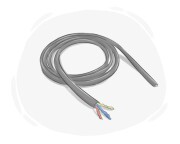
wire
wire
[명사]

a long and thin piece of metal that carries an electric current

전선, 케이블

전선, 케이블

Ex: The electrician installed new wire to ensure the lights functioned properly. 
닫기
로그인
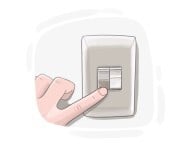
switch
switch
[명사]

something such as a button or key that turns a machine, lamp, etc. on or off

스위치, 버튼

스위치, 버튼

Ex: She pressed the switch to turn on the light in the room. 
닫기
로그인
sensor
sensor
[명사]

a machine or device that detects any changes in the environment and sends the information to other electronic devices

센서, 감지기

센서, 감지기

Ex: The temperature sensor measures the heat in the environment to adjust the heating system. 
닫기
로그인
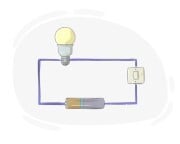
circuit
circuit
[명사]

the complete circle through which an electric current flows, typically consists of the source of electric energy

회로

회로

Ex: The electrical circuit is designed to power the light bulb when the switch is turned on. 
닫기
로그인
screw
screw
[명사]

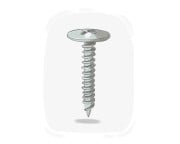
a small pointy piece of metal that can be fastened into wooden or metal objects using a screwdriver to hold things together

나사, 스크류

나사, 스크류

Ex: He used a screwdriver to tighten the screws holding the shelves to the wall. 
닫기
로그인
machinery
machinery
[명사]

machines, especially large ones, considered collectively

기계류, 산업 장비

기계류, 산업 장비

Ex: The factory was filled with heavy machinery, each performing a specific function in the production line. 
닫기
로그인
mechanical
mechanical
[형용사]

(of an object) powered by machinery or an engine

기계적인

기계적인

Ex: The mechanical device automatically sorts items based on size and weight. 
닫기
로그인
cable
cable
[명사]

a group of wires bundled together for transmitting electricity that is protected within a rubber case

케이블, 전선

케이블, 전선

Ex: The electrician installed a new cable to ensure a stable power supply to the building. 
닫기
로그인
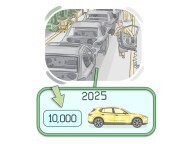
crane
crane
[명사]

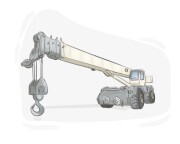
a very large tall machine used for lifting heavy objects

크레인, 들기 기계

크레인, 들기 기계

Ex: The construction site buzzed with activity as the crane lifted steel beams into place for the new skyscraper. 
닫기
로그인
capacity
capacity
[명사]

the quantity that is possible by a machine, etc. to produce

용량, 생산 능력

용량, 생산 능력

Ex: The capacity of the factory increased with the installation of new machinery. 
닫기
로그인
to service
to service
[동사]

to maintain, repair, or prepare something so that it is fit for use

정비하다, 점검하다

정비하다, 점검하다

Ex: Regularly servicing equipment extends its lifespan. 
닫기
로그인
prototype
prototype
[명사]

an early or preliminary model of something from which other forms are developed or copied

프로토타입, 초기 모델

프로토타입, 초기 모델

Ex: The engineers created a prototype of the new electric car to test its performance and safety features. 
닫기
로그인
current
current
[명사]

a flow of electricity resulted from the movement of electrically charged particles in a direction

전류, 전기의 흐름

전류, 전기의 흐름

Ex: An alternating current is commonly used to power household appliances. 
닫기
로그인
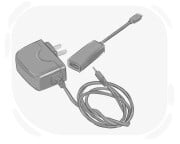
adapter
adapter
[명사]

a device used for connecting two pieces of equipment that are not compatible with each other

어댑터, 변환기

어댑터, 변환기

닫기
로그인
to model
to model
[동사]

to make a representation of something, especially one based on mathematics

모델링하다, 대표하다

모델링하다, 대표하다

Ex: Economists model supply and demand to understand market trends and make forecasts. 
닫기
로그인
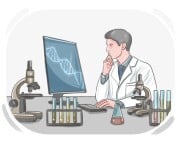
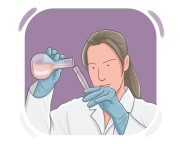
laboratory
laboratory
[명사]

a place where people do scientific experiments, manufacture drugs, etc.

실험실, 랩

실험실, 랩

Ex: The chemistry students conducted experiments in the laboratory to study chemical reactions. 
닫기
로그인
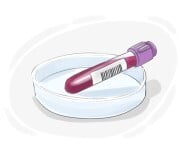
sample
sample
[명사]

a small amount of a substance taken from a larger amount used for scientific analysis or therapeutic experiment

샘플, 표본

샘플, 표본

Ex: The lab technician collected a blood sample for analysis. 
닫기
로그인
method
method
[명사]

a specific way or process of doing something, particularly an established or systematic one

방법, 방식

방법, 방식

Ex: The scientific method involves systematic observation, measurement, and experimentation. 
닫기
로그인
to conduct
to conduct
[동사]

to direct or participate in the management, organization, or execution of something

지휘하다, 수행하다

지휘하다, 수행하다

Ex: The experienced project manager will conduct the team in implementing the new software. 
닫기
로그인
evaluation
evaluation
[명사]

a judgment on the quantity and quality of something after careful consideration

평가

평가

Ex: The evaluation of the project's success will be based on the achievement of key performance indicators. 
닫기
로그인
experimental
experimental
[형용사]

relating to or involving scientific experiments, especially those designed to test hypotheses or explore new ideas

실험적인

실험적인

Ex: The experimental study investigated the effects of meditation on stress levels. 
닫기
로그인
finding
finding
[명사]

a piece of information discovered as a result of a research

발견, 연구 결과

발견, 연구 결과

Ex: The scientist's finding revealed a new way to treat the disease. 
닫기
로그인
hypothesis
hypothesis
[명사]

an explanation based on limited facts and evidence that is not yet proved to be true

가설, 추측

가설, 추측

Ex: The scientist developed a hypothesis to explain the observed phenomena. 
닫기
로그인
guinea pig
guinea pig
[명사]

someone on whom scientific experiments are tested

실험 대상, 시험 대상자

실험 대상, 시험 대상자

Ex: The patients felt like guinea pigs in an unfinished drug trial. 
닫기
로그인
to detect
to detect
[동사]

to notice or discover something that is difficult to find

감지하다, 발견하다

감지하다, 발견하다

Ex: The security system is designed to detect unauthorized access to the building. 
닫기
로그인
to classify
to classify
[동사]

to put people or things in different categories or groups

분류하다, 범주화하다

분류하다, 범주화하다

Ex: The scientist classified the organisms into different species based on their genetic traits and physical features. 
닫기
로그인
discovery
discovery
[명사]

the act of finding something for the first time and before others

발견, 발명

발견, 발명

Ex: The discovery of penicillin revolutionized medicine by introducing the first antibiotic. 
닫기
로그인
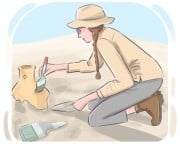
archeologist
archeologist
[명사]

a person whose job is to study ancient societies using facts, objects, buildings, etc. remaining in excavation sites

고고학자

고고학자

닫기
로그인
LanGeek
LanGeek 앱 다운로드