

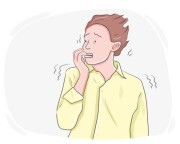
used to refer to someone who becomes extremely afraid of or nervous about even the smallest things

bojący się własnego cienia, bojący się byle czego
Mój młodszy brat podczas burzy jest bojący się własnego cienia.
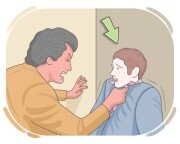
to turn pale, especially in response to fear, shock, or surprise
zblednąć, spłowieć
Podczas horroru publiczność zbladła przy nagłych jumpscare'ach.

to become pale or turn white, often as a result of shock, fear, or illness
zblednąć, pobieleć
Widziałem, jak zbladł, kiedy zdał sobie sprawę ze swojego błędu.
to be in a state of nervousness or cold that causes one's teeth to click together repeatedly
dzwonić zębami, szczękać zębami
Jej zęby dzwoniły na fotelu dentystycznym, chociaż nie była szczególnie przestraszona.
to shrink or curl up in fear
skulić się, zwinąć się ze strachu
Więźniowie skurczyli się przed strażnikami.
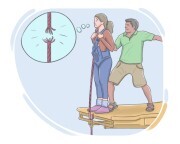
to feel anxious or afraid about a likely situation or event
bać się, obawiać się
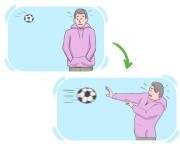
to make a quick and involuntary movement in response to a surprise, pain, or fear
wzdrygnąć się, cofnąć się
Podczas zabawy dziecko wzdrygało się za każdym razem, gdy piłka się zbliżała.
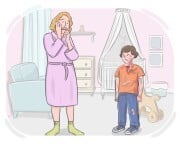
to react with extreme or irrational fear, anxiety, or agitation
wpaść w panikę, zwariować
Starałem się nie panikować, ale sytuacja była przytłaczająca.
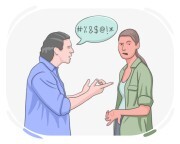
to speak rapidly and unintelligibly, often producing meaningless sounds
bełkotać, paplać
Gdy komik serwował swoje szybkie żarty, publiczność wybuchła śmiechem, nawet jeśli niektóre puenty sprawiały, że bełkotali.
to breathe at a very fast pace
hiperwentylować, oddychać bardzo szybko
Atak paniki spowodował, że hiperwentylował się niekontrolowanie.
(of the heart or body) to beat or shake hard, often from fear, excitement, or nervousness
bić, kołatać
to become tight or tense, especially because of fear, anxiety, or physical strain
zawiązać się, zaciskać się
to make someone feel fearful, intimidated, or too impressed to act freely
onieśmielać, przytłaczać
Czuła się oniemiała przez słynnego autora.
(of heart) to pound irregularly and rapidly
kołatać, bić nieregularnie i szybko
Dźwięk zbliżających się kroków sprawił, że jego serce zabiło w oczekiwaniu.
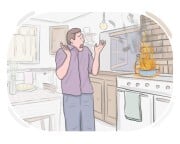
to suddenly become so frightened or anxious that one cannot think or behave calmly
panikować, wpadać w panikę
to feel a tingling or uncomfortable sensation from fear, anger, or excitement
kłuć, mrowić
Ona zadrżała z podekscytowania przed występem.
to experience or express the feeling of fear
drżeć, bać się
Pomimo swojej odważnej postawy, nie mógł powstrzymać się od drżenia, gdy usłyszał głośny huk.
to suddenly move back in response to something surprising, frightening, or unpleasant
cofnąć się, wzdrygnąć się
Gdy dentysta zbliżył się z igłą, ona cofnęła się.
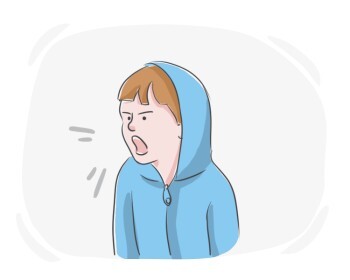
to make a loud, sharp cry when one is feeling a strong emotion
krzyczeć, wrzasnąć
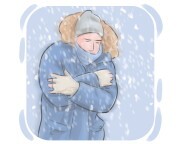
to shake slightly and repeatedly, especially because of cold, fear, excitement, or illness
to pull back or show hesitation due to fear, aversion, or reluctance
kurczyć się, cofać się
to tremble or shake involuntarily, often as a result of fear, cold, or excitement
drżeć, wzdrygać się
Mrożąca krew w żyłach historia w filmie grozy sprawiła, że publiczność zadrżała w suspensie.

to startle or frighten someone suddenly
przestraszyć, zaskoczyć
Niespodziewane pojawienie się ducha w filmie przestraszyło publiczność.
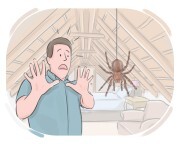
to cause extreme fear in someone
przerażać, straszyć
Film horror był tak intensywny, że przestraszył nawet najodważniejszych członków publiczności.
to make someone so frightened that they cannot move or speak
spetryfikować, zastygnąć ze strachu
Groźne gesty zamaskowanego intruza sparaliżowały właściciela domu, uniemożliwiając mu reakcję.
*** make somebody feel nervous or afraid
![to [make] {one's} blood run cold](https://cdn.langeek.co/photo/42692/thumb/350?type=jpeg "to [make] {one's} blood run cold")
to cause a strong feeling of fear in someone
zmrozić ze strachu, przyprawić o dreszcze
Wyraz twarzy lekarza zmroził go ze strachu.
