
Przysłówki Wyniku i Punktu Widzenia - Przysłówki Spójnikowe
Te przysłówki służą jako łączniki lub przejścia między zdaniami lub zdaniami i ustalają relacje czasu, przyczyny i skutku, kontrastu, porównania itp.
Przegląd
Fiszki
Pisownia
Test
used to suggest a logical conclusion based on the information or reasoning provided

dlatego, zatem
Firma zainwestowała w innowacyjną technologię; dlatego zyskała przewagę konkurencyjną na rynku.

used to introduce a result based on the information or actions that came before
zatem, dlatego

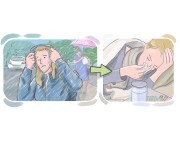
used to say that one thing is a result of another
dlatego, zatem
Prognoza pogody przewidziała burzę śnieżną; stąd szkoły zostały zamknięte na ten dzień.

used to indicate how something is achieved or the result of an action
tym samym, w związku z tym
Nowa polityka uprościła proces, tym samym zwiększając wydajność w miejscu pracy.
used to indicate a logical consequence based on the circumstances or information provided
odpowiednio, w związku z tym
Produkt otrzymał pozytywne opinie od klientów, i w związku z tym firma odnotowała wzrost sprzedaży.

used to indicate a logical result or effect
w konsekwencji, dlatego
Harmonogram projektu był źle zarządzany, a w konsekwencji zespół miał trudności z osiągnięciem kluczowych kamieni milowych.
used to indicate a starting point for a rule, action, event, etc.
odtąd, od teraz
Firma ogłosiła zmianę godzin pracy i odtąd pracownicy są zobowiązani przestrzegać zaktualizowanego harmonogramu.
used to introduce an opposing statement after making a point
used to signal the end of a discussion or presentation by summarizing the main points
podsumowując, na zakończenie
Po przeanalizowaniu danych i rozważeniu różnych perspektyw możemy podsumowując stwierdzić, że korzyści ekonomiczne proponowanej polityki przewyższają jej potencjalne wady.
used to indicate a relation between two things
odpowiednio, w związku z tym
W miarę wzrostu liczby pracowników pracujących zdalnie, firmy odpowiednio wdrażały nowe polityki i technologie wspierające współpracę zdalną.
used to introduce extra information or points
dodatkowo, ponadto
Lubi wędrówki, a dodatkowo pasjonuje się fotografią.

used to introduce additional information
ponadto, co więcej
Starożytne ruiny mają znaczenie historyczne; ponadto ich ochrona jest kluczowa.
used to introduce additional information or to emphasize a point
ponadto, co więcej
Wyniki badań potwierdziły hipotezę, a co więcej, dostarczyły istotnych spostrzeżeń dla przyszłych eksperymentów w tej dziedzinie.
used to draw a parallel between two related ideas or actions
podobnie, w ten sam sposób
Sarah lubi malować; podobnie, jej brat znajduje radość w rzeźbieniu.
used when introducing additional information to a statement that has just been made
podobnie, również
Otrzymali uznanie za swoje badania; ich mentorzy podobnie zyskali szacunek.
used to introduce a different or unrelated topic
nawiasem mówiąc, przy okazji
Film był całkiem zabawny. Nawiasem mówiąc, wyreżyserowała go ta sama osoba, która zrobiła ten dokument, który lubiliśmy.
used to highlight the most important point after discussing various aspects
najważniejsze, przede wszystkim
Odniosła sukces dzięki swojemu talentowi, ciężkiej pracy i, co najważniejsze, nieustającej wierze w siebie.
in a way that connects or contrasts two simultaneous actions, events, or conditions
tymczasem, w międzyczasie
used to signal the beginning of a list, explanation, etc.
po pierwsze, na początek
Aby pomyślnie ugotować ten przepis, po pierwsze, upewnij się, że masz wszystkie wymagane składniki.
used to introduce a statement that presents a truth or reality, often to clarify or emphasize something
used to state that something appears to be true or appealing at first glance
na pierwszy rzut oka, pozornie
Na pierwszy rzut oka jest najlepszą kandydatką do tej pracy.
used to indicate that despite a previous statement or situation, something else remains true
niemniej jednak, jednakże
Koszty były nadmierne; mimo to projekt posunął się naprzód.
used to emphasize a contrast
nawet, jeszcze
Mały startup zdołał się rozwijać, nawet w obliczu ugruntowanych konkurentów w branży.
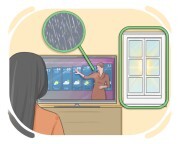
used to add a statement that contradicts what was just mentioned
jednak, niemniej
Była zmęczona; jednak, postanowiła uczestniczyć w wieczornej lekcji.
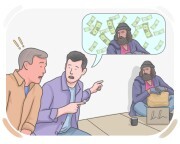
used to introduce a statement that makes the previous one less strong and somewhat surprising
jednak, niemniej
Jest trochę powściągliwy, chociaż może być bardzo przyjazny, gdy go poznasz.

used to introduce an opposing statement
niemniej jednak, jednakże
in a way that shows acknowledgment of an unfavorable fact or situation
co prawda, trzeba przyznać
Projekt, trzeba przyznać, miał pewne wady, które wymagały naprawy.
used to show a contrast between two things or situations
tak jak, chociaż
Mimo że drużyna dała z siebie wszystko, nie udało się im zapewnić zwycięstwa.
used to add extra information or to introduce a reason that supports what was just said
poza tym, oprócz tego
Opóźnił się na spotkanie. Ponadto, miał ważną wymówkę.
in a way that is different from what has been mentioned
odwrotnie, przeciwnie
Podczas gdy niektórzy uczniowie rozwijają się w środowiskach uczenia się praktycznego, odwrotnie, inni wyróżniają się w bardziej teoretycznych i wykładowych ustawieniach.
used to introduce information that is connected to what has just been discussed
związane z tym, w związku z tym
Po przyjrzeniu się historii, związku z tym, zbadaliśmy, jak wpłynęła ona na kulturę tamtych czasów.
used to introduce the first fact, reason, step, etc.
Po pierwsze, Najpierw
Opowiadając historię, zacznij od tła głównego bohatera; po pierwsze, przedstaw głównego bohatera.
used to introduce the second point, reason, step, etc.
po drugie, następnie
Najpierw opisz scenerię historii. Po drugie, przedstaw głównych bohaterów.
used to introduce the third point, reason, step, etc.
po trzecie, trzecie
Analizując wydarzenie historyczne, najpierw rozważ kontekst. Po drugie, zbadaj kluczowych graczy. Po trzecie, oceń konsekwencje.
used to highlight the differences between two or more things or people
w przeciwieństwie, przeciwnie
Stary dom miał urokliwy, rustykalny klimat, podczas gdy nowy, w przeciwieństwie, jest elegancki i nowoczesny.
used to indicate that something follows as a result or outcome of a preceding event or action
w konsekwencji, jako konsekwencja
Przegapił termin, i w konsekwencji stracił okazję.
used to emphasize that what follows is the concluding point
na koniec, wreszcie
Na koniec zastanówmy się, jak możemy poprawić satysfakcję klientów w przyszłości.
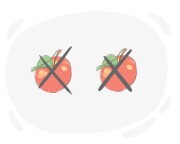
used to indicate that something is not one thing nor the other in a given context or situation
ani, też nie
