
Vocabulário para IELTS Academic (Pontuação 5) - Doença e Sintomas
Aqui, você aprenderá algumas palavras em inglês relacionadas a Doenças e Sintomas que são necessárias para o exame acadêmico básico do IELTS.
Revisar
Flashcards
Ortografia
Quiz

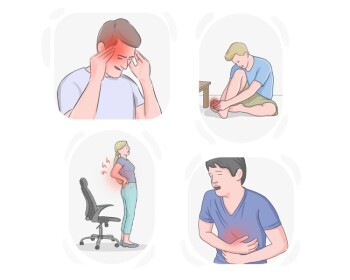
the unpleasant feeling caused by an illness or injury

dor
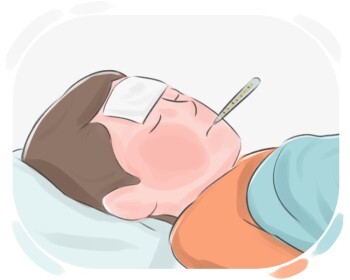
a condition when the body temperature rises, usually when we are sick
febre, temperatura
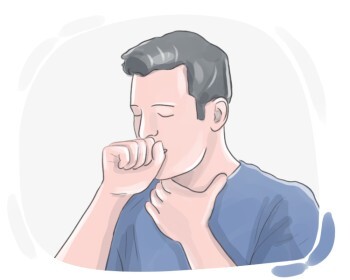
an illness or condition that causes someone to cough frequently
tosse

a pain in the head, usually persistent
dor de cabeça
Muita cafeína às vezes pode causar dor de cabeça.
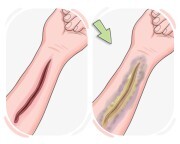
a condition in which harmful germs, such as bacteria or viruses, invade the body and cause harm, leading to symptoms such as fever, pain, and swelling
infecção
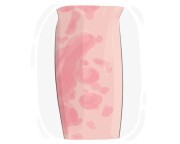
a part of one's skin covered with red spots, which is usually caused by a sickness or an allergic reaction
erupção cutânea, vermelhidão
O tratamento para uma erupção cutânea depende da sua causa e pode envolver cremes ou pomadas tópicas, medicamentos orais, anti-histamínicos ou abordar a condição subjacente.

a feeling of weakness and imbalance
tontura, fraqueza
A tontura dela piorou quando ela tentou se concentrar em objetos em movimento.

a disease in which abnormal cells grow uncontrollably and may invade nearby tissues or spread to other parts of the body
a continuous pain in a part of the body, often not severe
dor, incômodo
Ela acordou com uma dor surda no pescoço.

a sudden painful contraction in a muscle due to fatigue
cãibra, contração muscular
A cãibra na sua mão tornava difícil segurar a caneta.
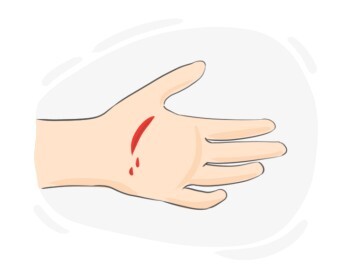
an injury inflicted on the body especially one that seriously damages the skin or the flesh
ferida, lesão
an area of one's body that has become unusually larger, caused by an injury or sickness
inchaço, edema
Em alguns casos, o inchaço pode ser controlado com medicamentos de venda livre como o ibuprofeno, que ajudam a reduzir a inflamação e a dor.
an irritating feeling on the skin that would be eased by scratching that area
coceira, prurido
O suéter de lã fez meu pescoço ter uma coceira insuportável.
a mark or injury that is caused by exposure to fire, acid, heat, etc.
queimadura, marca de queimadura

an infectious disease caused by a type of virus that attacks the nose, lungs, and throat
gripe
Os sintomas da influenza incluem febre, tosse e dores no corpo.
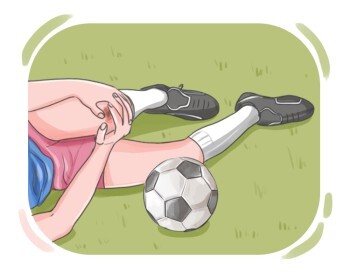
any physical damage to a part of the body caused by an accident or attack
lesão, ferimento
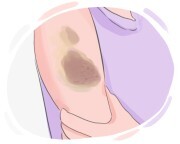
an injury on the skin that appears as a dark mark, caused by a blow involving the rupture of vessels underneath
hematoma, contusão
Ele estava envergonhado de mostrar aos amigos o hematoma em seu lado, um lembrete de sua falta de jeito durante uma partida de futebol recente.

| Vocabulário para IELTS Academic (Pontuação 5) | |||
|---|---|---|---|
| Cultura e Costume | Língua e Gramática | Artes | Música |
| Cinema e Teatro | Literatura | Arquitetura | Marketing |
| Finanças | Gestão | Medicina | Doença e Sintomas |
| Lei | Crime | Punição | Política |
| Guerra | Medição | Emoções Positivas | Emoções Negativas |
