pattern

IELTS学术词汇 (分数5) - 疾病与症状

在这里,您将学习一些与疾病和症状相关的英语单词,这些单词是基础学术雅思考试所必需的。

审查

闪卡

拼写

测验

开始学习
Vocabulary for IELTS Academic (Band 5)
pain
pain
[名词]

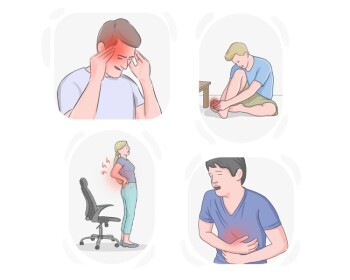
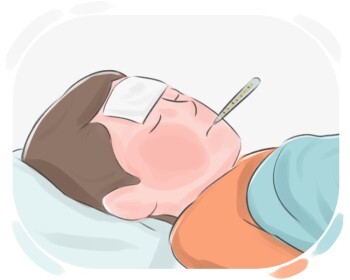
the unpleasant feeling caused by an illness or injury

疼痛
疼痛

Ex: The pain from his sunburn made it hard to sleep. 
关闭
登录
fever
fever
[名词]

a condition when the body temperature rises, usually when we are sick

发烧, 发热

发烧, 发热

Ex: My sister was burning up with a fever in the middle of the night. 

我的妹妹半夜发烧得很厉害。

关闭
登录
cough
cough
[名词]

an illness or condition that causes someone to cough frequently

Ex: Daniel developed a persistent cough after his cold. 
关闭
登录
headache
headache
[名词]

a pain in the head, usually persistent

头痛

头痛

Ex: High blood pressure can sometimes cause headaches. 

高血压有时会引起头痛。

关闭
登录
infection
infection
[名词]

a condition in which harmful germs, such as bacteria or viruses, invade the body and cause harm, leading to symptoms such as fever, pain, and swelling

感染
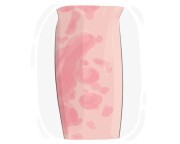
感染

Ex: The cut on her finger became infected, leading to a painful infection. 
关闭
登录
rash
rash
[名词]

a part of one's skin covered with red spots, which is usually caused by a sickness or an allergic reaction

皮疹, 红斑

皮疹, 红斑

Ex: Rashes can be caused by various factors such as allergic reactions, infections, medications, or underlying medical conditions. 

皮疹可能由多种因素引起,例如过敏反应、感染、药物或潜在医疗状况。

关闭
登录
dizziness
dizziness
[名词]

a feeling of weakness and imbalance

头晕, 虚弱

头晕, 虚弱

Ex: Dehydration can cause dizziness and confusion. 

脱水会导致头晕和意识模糊。

关闭
登录
cancer
cancer
[名词]

a disease in which abnormal cells grow uncontrollably and may invade nearby tissues or spread to other parts of the body

Ex: Regular screening can reduce deaths from certain types of cancer. 
关闭
登录
ache
ache
[名词]

a continuous pain in a part of the body, often not severe

疼痛,  酸痛

疼痛, 酸痛

Ex: I had a slight ache in my arm after the vaccination. 

接种疫苗后,我的手臂有轻微的疼痛。

关闭
登录
cramp
cramp
[名词]

a sudden painful contraction in a muscle due to fatigue

抽筋, 肌肉痉挛

抽筋, 肌肉痉挛

Ex: Swimming in cold water can trigger muscle cramps. 

在冷水中游泳可能引发肌肉痉挛。

关闭
登录
wound
wound
[名词]

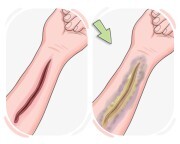
an injury inflicted on the body especially one that seriously damages the skin or the flesh

伤口, 创伤

伤口, 创伤

Ex: Even after years, the old wound still ached in cold weather. 
关闭
登录
swelling
swelling
[名词]

an area of one's body that has become unusually larger, caused by an injury or sickness

肿胀, 水肿

肿胀, 水肿

Ex: Common causes of swelling include sprains, fractures, insect bites, and allergic reactions. 

肿胀的常见原因包括扭伤、骨折、昆虫叮咬和过敏反应。

关闭
登录
itch
itch
[名词]

an irritating feeling on the skin that would be eased by scratching that area

痒, 瘙痒

痒, 瘙痒

Ex: She couldn't focus because of the annoying itch on her back. 

她因为背上恼人的痒而无法集中注意力。

关闭
登录
burn
burn
[名词]

a mark or injury that is caused by exposure to fire, acid, heat, etc.

烧伤, 烧伤痕迹

烧伤, 烧伤痕迹

Ex: The chemical left a burn on his arm. 
关闭
登录
influenza
influenza
[名词]

an infectious disease caused by a type of virus that attacks the nose, lungs, and throat

流感

流感

Ex: Influenza spreads quickly in schools during winter. 

流感在冬季学校中迅速传播。

关闭
登录
injury
injury
[名词]

any physical damage to a part of the body caused by an accident or attack

伤害, 损伤
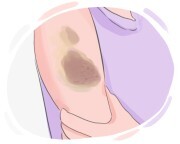
伤害, 损伤

Ex: The soldier received an award for bravery after an injury in battle. 
关闭
登录
bruise
bruise
[名词]

an injury on the skin that appears as a dark mark, caused by a blow involving the rupture of vessels underneath

瘀伤, 青肿

瘀伤, 青肿

Ex: The athlete played through the pain of a bruise on her thigh, determined to finish the game despite the discomfort. 

运动员不顾大腿上的瘀伤疼痛,决心完成比赛,尽管感到不适。

关闭
登录
epidemic
epidemic
[名词]

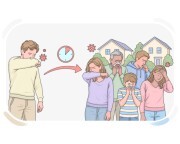
the rapid spread of an infectious disease within a specific population, community, or region, affecting a significant number of individuals at the same time

流行病, 疫情爆发

流行病, 疫情爆发

Ex: Health officials worked to contain the epidemic. 
关闭
登录
pandemic
pandemic
[名词]

a disease that spreads across a large region or even across the world

大流行病, 全球性流行病

大流行病, 全球性流行病

Ex: During pandemics, healthcare systems face an enormous strain from the surge in patients. 
关闭
登录
LanGeek
下载LanGeek应用程序