
Listă de Cuvinte Nivel C2 - Literatură
Aici vei învăța toate cuvintele esențiale pentru a vorbi despre literatură, adunate special pentru elevii de nivel C2.
Revizuire
Fișe de studiu
Ortografie
Chestionar


a figure of speech in which a part of something represents the whole or vice versa

sinecdocă, metonimie
În literatură, sinecdoca este o figură de stil în care o parte a ceva este folosită pentru a reprezenta întregul, sau invers, cum ar fi a se referi la o mașină ca la "roți".
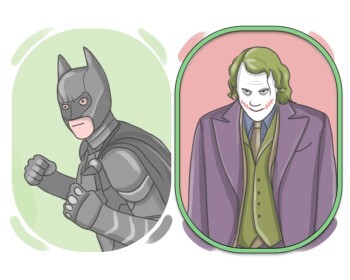
villainous character who strongly opposes another person or thing
antagonist, inamic
Antagonistul din roman era un ticălos viclean și nemilos, hotărât să zădărnicească planurile protagonistului la fiecare pas.
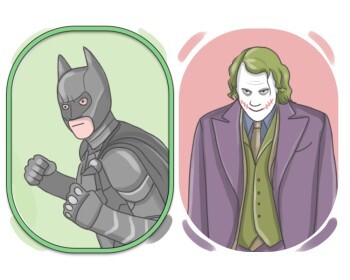
the main character in a movie, novel, TV show, etc.
personaj principal, protagonist
Protagonistul romanului este un tânăr orfan care se lansează într-o călătorie de autodescoperire și aventură.
a literary technique in which an introductory narrative serves as a frame for another story or a series of shorter stories
poveste cadru, narațiune cadru
Povestea cadru a romanului servește ca un dispozitiv narativ, încadrând acțiunea principală cu o poveste cuprinzătoare care oferă context și perspectivă.
an elaborate or far-fetched poetic image or comparison between very dissimilar things, used in literature
concept, conceit
Conceit-ul central al poeziei a asemănat timpul cu un hoț.
a technique used in speech and writing to exaggerate the extent of something
hiperbolă, exagerare
Afirmația sa că a dormit un secol a fost o hiperbolă pentru a-și exprima epuizarea.
a quotation or phrase placed at the beginning of a book, chapter, or other written work, often to suggest a theme or context
epigraf, citat introductiv
Romanul începe cu un epigraf de la T.S. Eliot.
a collection of various items, such as literary pieces, poems, letters, etc., gathered from different sources
amestec, colecție
Rafturile de cărți erau pline de diverse, de la artefacte antice până la obiecte de colecție ciudate adunate de-a lungul anilor.

a story, play, movie, etc. about a mystery or murder that the audience cannot solve until the end
un roman polițist, o enigmă criminală
Cel mai recent roman al autorului de bestseller-uri este un whodunit captivant, plin de întorsături care țin cititorii în suspans până la final.
an ancient book, written by hand, especially of scriptures, classics, etc.
codex, manuscris vechi
Exponatul de preț al muzeului este un codex iluminat din perioada medievală, prezentând ilustrații și caligrafie minuțios detaliate.
a short, simple story that teaches a moral lesson
parabolă, alegorie
Culturile antice transmiteau adesea înțelepciunea prin pilde.
the use of a word with two senses each of which apply to a different word in a sentence, as a figure of speech
zeugmă, figura de stil zeugmă
Utilizarea inteligentă a zeugmei de către scriitor a adăugat un strat de spirit romanului său, conectând idei disparate cu un singur verb.
a specific story, artwork, or performance that embodies symbolic representation of deeper truths
alegorie, poveste simbolică
Progresul Pelerinului este o alegorie clasică care înfățișează călătoria sufletului spre mântuire.
a statement that implies or indirectly mentions something or someone else, especially as a literary device
aluzie, referire
Comentariul ei despre "a-și întâlni Waterloo-ul" a fost o aluzie la înfrângerea finală a lui Napoleon, sugerând că a înfruntat o provocare de netrecut.
a concise version of a lengthy play, novel, etc.
rezumat, versiune prescurtată
Editorul a lansat un rezumat al romanului clasic, făcându-l mai accesibil pentru cititorii moderni cu timp limitat.
a character in a literary work who contrasts with another character, usually the protagonist, to highlight specific traits of the latter
personaj contrastant, personaj opus
Dr. Watson servește ca personaj contrastant pentru Sherlock Holmes.
a figure of speech that combines two contradictory or contrasting terms to create a unique expression
oximoron, contradicție în termeni
Fraza "victorie amară-dulce" este un oximoron, care evidențiază emoțiile mixte ale câștigării unei bătălii greu dobândite la un preț mare.
the act of giving a clue of the future events to the audience in advance while narrating a story
prefigurare, prevestire
Muzica stranie care se auzea în fundal a servit drept prevestire pentru evenimentele sinistre care urmau să se desfășoare.
a literary genre that uses self-reflexive techniques to draw attention to its status as a work of fiction, blurring the lines between reality and fiction
metaficțiune, metaliteratură
Romanul a folosit metaficțiunea, estompând liniile dintre ficțiune și realitate prin faptul că personajele și-au recunoscut existența drept creații ale autorului.
a novel that focuses on the psychological and moral growth of its main character from youth to adulthood
roman de formare, roman de educație
Romanul urmărește călătoria de maturizare a protagonistului de la adolescență la maturitate, făcându-l un exemplu clasic al literaturii bildungsroman.
a song or poem expressing sadness, especially in the memory of a dead person or a bitter event in the past
elegie, cântec funebru
Poeții a compus o elegie pentru a plânge trecerea unui prieten iubit, captând durerea și dorul simțite de cei rămași în urmă.
a literary device that uses a mixture of unpleasant, inharmonious, and harsh sounds to show disorder or chaos
cacofonie, discordanță
În poem, poetul a folosit cacofonia pentru a evoca emoțiile tumultuoase ale protagonistului în timp ce se lupta cu tulburările interioare.
a subject, image, idea, or phrase that recurs in a literary work
motiv, temă
a word or phrase that compares two things or people, highlighting the similarities, often introduced by 'like' or 'as'
comparatie, similitudine
Poeții au folosit o comparatie pentru a compara norii cu vata de zahăr, pictând o imagine vie a aspectului lor pufos, eteric.
a form of poetry that originated in ancient Greek and Roman literature, typically consisting of a short, pastoral poem or dialogue between two shepherds
eclogă, poem pastoral
Ecloga poetului înfățișa o scenă pastorală, cu păstori și nimfe adunate lângă un pârâu liniștit pentru a împărtăși povești despre dragoste și pierdere.
a payment made to the author or creator of a work for each copy of the work that is sold
drepturi de autor
Autorul primește un royalty pentru fiecare copie vândută a cărții sale, oferindu-i venit din munca sa creativă.
a remark or response that bears no logical or relevant connection to what was said before
non sequitur, o remarcă fără legătură
Glumele comedianului se bazau pe non sequitur absurde pentru umor.
(of an author or literary work) accepted as highly acclaimed authors or pieces of literature, which are collectively referred to as the literary canon
canonic
Romanele lui Jane Austen sunt considerate parte din literatura canonică a literaturii engleze, studiate și venerată atât de savanți, cât și de cititori.
(literature) relating to a form of work that uses letters or written documents as the primary mode of communication among fictional characters
epistolar, referitor la corespondență
"Lady Susan" de Jane Austen este considerată un exemplu timpuriu de nuvelă epistolară.
