
सी2 स्तर की शब्द सूची - साहित्य
यहां आप साहित्य के बारे में बात करने के लिए सभी आवश्यक शब्द सीखेंगे, जो विशेष रूप से सी2 स्तर के शिक्षार्थियों के लिए एकत्र किए गए हैं।
समीक्षा करें
फ्लैशकार्ड्स
वर्तनी
प्रश्नोत्तरी


a figure of speech in which a part of something represents the whole or vice versa

सिनेकडोकी, लक्षणा
रोज़मर्रा की भाषा में, किसी के परिधान की प्रशंसा करने के लिए "अच्छे synecdoche" कहना synecdoche का एक रूप है, जहां "धागे" सामान्य रूप से कपड़ों का प्रतिनिधित्व करते हैं।
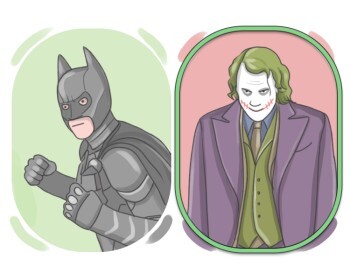
villainous character who strongly opposes another person or thing
प्रतिपक्षी, विलेन
खलनायक होने के बावजूद, चरित्र में मोक्षकारी गुण थे जो उनके चित्रण में गहराई और जटिलता जोड़ते थे।
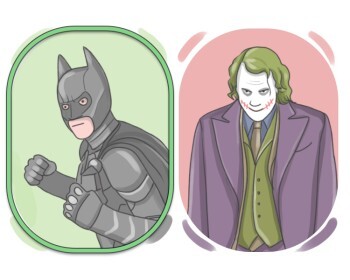
the main character in a movie, novel, TV show, etc.
मुख्य पात्र, नायक
कहानी जैसे-जैसे आगे बढ़ती है, मुख्य पात्र एक परिवर्तनकारी यात्रा से गुजरता है, एक अनिच्छुक नायक से आशा और लचीलापन के प्रतीक में विकसित होता है।
a literary technique in which an introductory narrative serves as a frame for another story or a series of shorter stories
फ्रेम कहानी, ढांचा कथा
फ्रेम कहानी के माध्यम से, लेखक कहानी कहने की कई परतों को एक साथ बुनता है, अर्थ और प्रतीकवाद की परतों के साथ कथा को समृद्ध करता है।
an elaborate or far-fetched poetic image or comparison between very dissimilar things, used in literature
अलंकारिक कल्पना, कॉन्सीट
उसने एक conceit लिखा जो मन की तुलना एक भूलभुलैया से करता है।
a technique used in speech and writing to exaggerate the extent of something
अतिशयोक्ति,अत्युक्ति
विज्ञापन में, उत्पाद को अतिशयोक्ति के साथ वर्णित किया गया था, यह दावा करते हुए कि यह सिर्फ एक बार उपयोग से "आपके जीवन को बदल सकता है"।
a quotation or phrase placed at the beginning of a book, chapter, or other written work, often to suggest a theme or context
उद्धरण, प्रारंभिक उद्धरण
कई लेखक अपने कार्य का स्वर निर्धारित करने के लिए उद्धरण का उपयोग करते हैं।
a collection of various items, such as literary pieces, poems, letters, etc., gathered from different sources
संग्रह, मिश्रण
प्राचीन वस्तुओं की दुकान विविधता का खजाना थी, जिसमें अलमारियाँ उत्सुकतापूर्ण वस्तुओं और दुर्लभ खोजों से भरी हुई थीं जो खोजे जाने की प्रतीक्षा में थीं।

a story, play, movie, etc. about a mystery or murder that the audience cannot solve until the end
एक रहस्यमय कहानी, हत्या का रहस्य
डिनर पार्टी में, मेहमानों ने एक लाइव-एक्शन व्होडनिट का आनंद लिया, एक हत्या रहस्य खेल में भाग लेते हुए जहां सभी को अपराध को सुलझाना था।
an ancient book, written by hand, especially of scriptures, classics, etc.
कोडेक्स, प्राचीन हस्तलिखित पुस्तक
खुदाई के दौरान, पुरातत्वविदों को खंडहर में दफन एक कोडेक्स मिला, जो प्राचीन समाज के दैनिक जीवन की एक दुर्लभ झलक प्रदान करता है।
a short, simple story that teaches a moral lesson
दृष्टांत, नीति कथा
दृष्टांत दिखाता है कि लालच कैसे विनाश का कारण बन सकता है।
the use of a word with two senses each of which apply to a different word in a sentence, as a figure of speech
ज़्यूग्मा, अलंकार के रूप में ज़्यूग्मा
ज़्यूग्मा का उपयोग करते हुए, कॉमेडियन ने मजाक किया: "उसने मेरी गड़गड़ाहट और मेरी छतरी चुरा ली।"
a specific story, artwork, or performance that embodies symbolic representation of deeper truths
रूपक, प्रतीकात्मक कथा
डांटे की डिवाइन कॉमेडी एक समृद्ध रूपक है।
a statement that implies or indirectly mentions something or someone else, especially as a literary device
संकेत, इशारा
फिल्म क्लासिक फिल्मों के संकेतों से भरी हुई थी, सिनेमा प्रेमियों के आनंद लेने के लिए संदर्भों की एक समृद्ध टेपेस्ट्री बनाती है।
a concise version of a lengthy play, novel, etc.
संक्षिप्तीकरण, संक्षिप्त संस्करण
छात्र अक्सर लंबे ऐतिहासिक दस्तावेजों का सारांश सराहना करते हैं, क्योंकि यह उन्हें मुख्य बिंदुओं को तेजी से समझने में मदद करता है।
a character in a literary work who contrasts with another character, usually the protagonist, to highlight specific traits of the latter
विपरीत पात्र, विरोधी पात्र
प्रतिपक्षी की शांत तर्कशक्ति नायक के जुनून के लिए एक विरोधाभास प्रदान करती है।
a figure of speech that combines two contradictory or contrasting terms to create a unique expression
विरोधाभास, ऑक्सीमोरोन
स्थिति को "शांत अराजकता" कहना एक विरोधाभास है जो अराजकता के भीतर व्यवस्था की भावना को जीवंत रूप से दर्शाता है।
the act of giving a clue of the future events to the audience in advance while narrating a story
पूर्वाभास, संकेत
मुख्य पात्र द्वारा अनुभव किए गए रहस्यमय सपने पूर्वाभास का एक रूप थे, जो कहानी में बाद में आने वाली चुनौतियों की ओर इशारा करते थे।
a literary genre that uses self-reflexive techniques to draw attention to its status as a work of fiction, blurring the lines between reality and fiction
मेटाफिक्शन, अतिकल्पना
उपन्यास की आत्म-संदर्भित कथा शैली मेटाफिक्शन की एक पहचान है, जो पाठकों को पढ़ने के कार्य और लेखक की भूमिका पर विचार करने के लिए आमंत्रित करती है।
a novel that focuses on the psychological and moral growth of its main character from youth to adulthood
शिक्षा उपन्यास, विकास उपन्यास
कई Bildungsroman कहानियों में पहचान, स्वतंत्रता और एक जटिल दुनिया में अर्थ की खोज के विषय होते हैं।
a song or poem expressing sadness, especially in the memory of a dead person or a bitter event in the past
शोक गीत, विलाप गीत
शोकगीत का उदास स्वर और गीतात्मक सौंदर्य श्रोताओं के साथ गहराई से प्रतिध्वनित हुआ, दुःख के सामने सांत्वना प्रदान की।
a literary device that uses a mixture of unpleasant, inharmonious, and harsh sounds to show disorder or chaos
कर्कश ध्वनि, असामंजस्य
नाटक में, पात्रों के बीच फेंके गए अपमान और आरोपों का कोलाहल दृश्य का तनाव और नाटक बढ़ा दिया।
a subject, image, idea, or phrase that recurs in a literary work
मोटिफ, विषय
a word or phrase that compares two things or people, highlighting the similarities, often introduced by 'like' or 'as'
उपमा, तुलना
उपमा "पानी से बाहर मछली की तरह" नायक की अपरिचित परिवेश में विस्थापन और असुविधा की भावना को दर्शाती है।
a form of poetry that originated in ancient Greek and Roman literature, typically consisting of a short, pastoral poem or dialogue between two shepherds
ग्राम्य कविता, चरवाहा कविता
एक्लोग के माध्यम से, कवि ने प्रकृति, प्रेम और समय के बीतने के विषयों की खोज की, एक सरल जीवन शैली के लिए उदासीनता की भावना जगाई.
a payment made to the author or creator of a work for each copy of the work that is sold
रॉयल्टी
कलाकारों को अक्सर रॉयल्टी प्राप्त होती है जब उनकी कलाकृति को पोस्टर, मर्चेंडाइज या विज्ञापन जैसे विभिन्न उत्पादों में उपयोग के लिए पुनरुत्पादित या लाइसेंस दिया जाता है।
a remark or response that bears no logical or relevant connection to what was said before
non sequitur, असंगत टिप्पणी
अतियथार्थवादी संवाद में, non sequiturs अक्सर जानबूझकर उपयोग किए जाते हैं।
(of an author or literary work) accepted as highly acclaimed authors or pieces of literature, which are collectively referred to as the literary canon
मान्य
संग्रह में इतिहास में सबसे प्रभावशाली साहित्यिक कार्यों का एक व्यापक अवलोकन प्रदान करते हुए, मानक ग्रंथों की एक श्रृंखला शामिल थी।
(literature) relating to a form of work that uses letters or written documents as the primary mode of communication among fictional characters
पत्रात्मक, पत्रों से संबंधित
सैमुअल रिचर्डसन के 18वीं सदी के अग्रणी उपन्यास "पामेला" ने पत्र-रूपी साहित्य को अत्यधिक प्रभावशाली बना दिया।
