
Список Слов Уровня C2 - Литература
Здесь вы узнаете все основные слова для разговора о литературе, собранные специально для учащихся уровня C2.
Обзор
Флэш-карточки
Правописание
Тест


a figure of speech in which a part of something represents the whole or vice versa

синекдоха
В литературе синекдоха — это фигура речи, в которой часть чего-либо используется для представления целого, или наоборот, например, называя автомобиль "колесами".
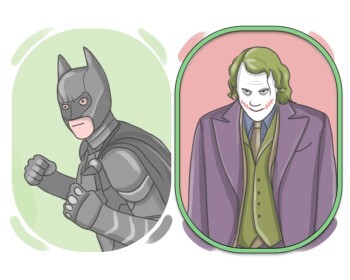
villainous character who strongly opposes another person or thing
противник
Антагонист в романе был хитрым и безжалостным злодеем, решившим сорвать планы протагониста на каждом шагу.
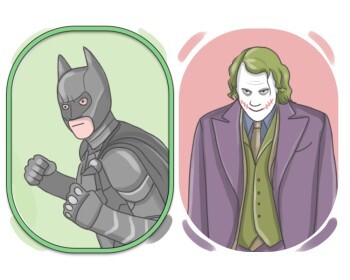
the main character in a movie, novel, TV show, etc.
главный герой
Главный герой романа — молодой сирота, который отправляется в путешествие самопознания и приключений.
a literary technique in which an introductory narrative serves as a frame for another story or a series of shorter stories
обрамление
Обрамляющая история романа служит нарративным приемом, обрамляя основной сюжет всеобъемлющим повествованием, которое обеспечивает контекст и перспективу.
an elaborate or far-fetched poetic image or comparison between very dissimilar things, used in literature
тщеславие
Кончет слияния образов войны и любви сделал сонет запоминающимся.
a technique used in speech and writing to exaggerate the extent of something
преувеличение
Его заявление о том, что он спал целый век, было гиперболой, чтобы выразить свою усталость.
a quotation or phrase placed at the beginning of a book, chapter, or other written work, often to suggest a theme or context
эпиграф
Роман открывается эпиграфом от Т.С. Элиота.
a collection of various items, such as literary pieces, poems, letters, etc., gathered from different sources
литературная смесь
Книжные полки были заполнены разнообразными вещами, начиная от древних артефактов до причудливых безделушек, собранных за годы.

a story, play, movie, etc. about a mystery or murder that the audience cannot solve until the end
детектив
Последний роман автора бестселлеров — это захватывающий детектив, наполненный поворотами, которые держат читателей в напряжении до самого конца.
an ancient book, written by hand, especially of scriptures, classics, etc.
Коллекция древних рукописей
Главный экспонат музея — это иллюминированный кодекс средневекового периода, отличающийся замысловато детализированными иллюстрациями и каллиграфией.
a short, simple story that teaches a moral lesson
притча
Послание притчи было ясным: сострадание важнее осуждения.
the use of a word with two senses each of which apply to a different word in a sentence, as a figure of speech
зевгма
Умелое использование писателем зеугмы добавило слои остроумия в его роман, связывая разрозненные идеи одним глаголом.
a specific story, artwork, or performance that embodies symbolic representation of deeper truths
иносказание
Путешествие Пилигрима — это классическая аллегория, изображающая путешествие души к спасению.
a statement that implies or indirectly mentions something or someone else, especially as a literary device
аллюзия
Её комментарий о "встрече с её Ватерлоо" был намёком на окончательное поражение Наполеона, подразумевая, что она столкнулась с непреодолимым вызовом.
a concise version of a lengthy play, novel, etc.
сокращение
Издатель выпустил сокращённую версию классического романа, сделав его более доступным для современных читателей с ограниченным временем.
a character in a literary work who contrasts with another character, usually the protagonist, to highlight specific traits of the latter
контрастный персонаж, антипод
Доктор Ватсон служит контрастом Шерлоку Холмсу.
a figure of speech that combines two contradictory or contrasting terms to create a unique expression
оксюморон
Фраза "горько-сладкая победа" является оксимороном, подчеркивающим смешанные эмоции от победы в тяжелой битве, доставшейся дорогой ценой.
the act of giving a clue of the future events to the audience in advance while narrating a story
предзнаменование
Жуткая музыка, звучащая на заднем плане, служила предзнаменованием для зловещих событий, которые вот-вот развернутся.
a literary genre that uses self-reflexive techniques to draw attention to its status as a work of fiction, blurring the lines between reality and fiction
металитература, метапроза
Роман использовал метапрозу, размывая границы между вымыслом и реальностью, заставляя персонажей осознавать свое существование как творений автора.
a novel that focuses on the psychological and moral growth of its main character from youth to adulthood
роман воспитания, роман становления
Роман следует за становлением главного героя от юности до зрелости, что делает его классическим примером литературы bildungsroman.
a song or poem expressing sadness, especially in the memory of a dead person or a bitter event in the past
элегия
Поэт сочинил элегию, чтобы оплакивать уход любимого друга, передавая горе и тоску, ощущаемые оставшимися.
a literary device that uses a mixture of unpleasant, inharmonious, and harsh sounds to show disorder or chaos
какофония
В стихотворении поэт использовал какофонию, чтобы передать бурные эмоции главного героя, борющегося с внутренними потрясениями.
a subject, idea, or phrase that is repeatedly used in a literary work
мотив
Мотив "путешествия героя" является общей темой во многих эпических сказаниях, символизируя рост и трансформацию главного героя.
a word or phrase that compares two things or people, highlighting the similarities, often introduced by 'like' or 'as'
сравнение
Поэт использовал сравнение, чтобы сравнить облака с сахарной ватой, рисуя яркую картину их пушистого, эфирного вида.
a form of poetry that originated in ancient Greek and Roman literature, typically consisting of a short, pastoral poem or dialogue between two shepherds
эклога, пасторальное стихотворение
Эклога поэта изображала пасторальную сцену, где пастухи и нимфы собирались у тихого ручья, чтобы делиться историями о любви и утрате.
a payment made to the author or creator of a work for each copy of the work that is sold
роялти
Автор получает роялти за каждую проданную копию своей книги, что обеспечивает ему доход от его творческой работы.
a remark or response that bears no logical or relevant connection to what was said before
нелогичное заключение
Его внезапный вопрос о кошках был полным non sequitur.
(of an author or literary work) accepted as highly acclaimed authors or pieces of literature, which are collectively referred to as the literary canon
канонический
Романы Джейн Остин считаются частью канонической литературы английской литературы, изучаемой и почитаемой как учеными, так и читателями.
(literature) relating to a form of work that uses letters or written documents as the primary mode of communication among fictional characters
эпистолярный
Новаторский роман XVIII века Сэмюэля Ричардсона "Памела" сделал эпистолярную литературу весьма влиятельной.
