
C2 Düzeyi Kelime Listesi - Edebiyat
Burada, özellikle C2 seviyesi öğrencileri için derlenmiş, Edebiyat hakkında konuşmak için gerekli tüm temel kelimeleri öğreneceksiniz.
Gözden Geçir
Flash kartlar
Yazım
Quiz

a figure of speech in which a part of something represents the whole or vice versa

sinekdoş
Günlük dilde, birinin kıyafetini övmek için "güzel sinekdoklar" demek, bir sinekdok şeklidir, burada "iplikler" genel olarak giysileri temsil eder.
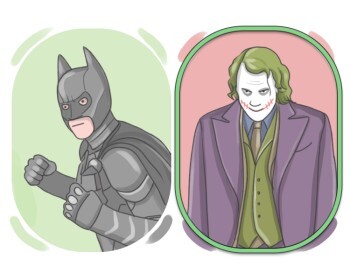
villainous character who strongly opposes another person or thing
antagonist (terim)
Antagonist olmasına rağmen, karakterin tasvirine derinlik ve karmaşıklık katan kurtarıcı nitelikleri vardı.
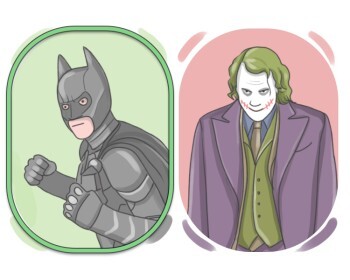
the main character in a movie, novel, TV show, etc.
baş karakter
Hikaye ilerledikçe, protagonist isteksiz bir kahramandan umut ve direnç sembolüne dönüşen bir yolculuğa çıkar.
a literary technique in which an introductory narrative serves as a frame for another story or a series of shorter stories
çerçeve anlatı
Çerçeve hikaye aracılığıyla, yazar anlatının çeşitli katmanlarını bir araya getirerek, anlatıyı anlam ve sembolizm katmanlarıyla zenginleştirir.
an elaborate or far-fetched poetic image or comparison between very dissimilar things, used in literature
mecaz
Hikayedeki edebi kibir, bir geminin yolculuğunu insanın hırsına bağladı.
a technique used in speech and writing to exaggerate the extent of something
abartı
Reklamda, ürün abartı ile tanımlanmış, tek bir kullanımla "hayatınızı değiştirebileceği" iddia edilmişti.
a quotation or phrase placed at the beginning of a book, chapter, or other written work, often to suggest a theme or context
ön söz
Birçok yazar, eserlerinin tonunu belirlemek için epigraflar kullanır.
a collection of various items, such as literary pieces, poems, letters, etc., gathered from different sources
derleme
Antik dükkan, keşfedilmeyi bekleyen merak uyandırıcı nesneler ve nadir buluntularla dolu raflarıyla bir çeşitlilik hazinesiydi.

a story, play, movie, etc. about a mystery or murder that the audience cannot solve until the end
polisiye roman
Akşam yemeği partisinde, konuklar canlı bir whodunit keyfi yaşadı, herkesin suçu çözmek zorunda olduğu bir cinayet gizemi oyununa katıldı.
an ancient book, written by hand, especially of scriptures, classics, etc.
el yazması kitap
Kazı sırasında arkeologlar, antik toplumun günlük yaşamına nadir bir bakış sunan harabelere gömülü bir kodeks keşfettiler.
a short, simple story that teaches a moral lesson
ahlaki hikaye
Yazarlar hala etik veya felsefi fikirleri ifade etmek için meseller kullanır.
the use of a word with two senses each of which apply to a different word in a sentence, as a figure of speech
zeugma
Zeugma kullanarak komedyen şaka yaptı: "Gök gürültümü ve şemsiyemi çaldı."
a specific story, artwork, or performance that embodies symbolic representation of deeper truths
alegori
Dante'nin İlahi Komedya'sı zengin bir alegoridir.
a statement that implies or indirectly mentions something or someone else, especially as a literary device
gönderme
Film, klasik filmlere yapılan göndermelerle doluydu, sinema tutkunlarının keyif alacağı zengin bir referanslar dokusu yarattı.
a concise version of a lengthy play, novel, etc.
kısaltma
Öğrenciler, uzun tarihi belgelerin bir özetini takdir ederler, çünkü bu, ana noktaları daha hızlı kavramalarına yardımcı olur.
a character in a literary work who contrasts with another character, usually the protagonist, to highlight specific traits of the latter
karşıtlık karakteri
Antagonistin sakin mantığı, kahramanın tutkusuna bir karşıtlık sağlar.
a figure of speech that combines two contradictory or contrasting terms to create a unique expression
oksimoron
Durumu "sakin bir kaos" olarak adlandırmak, düzensizlik içindeki düzen hissini canlı bir şekilde yakalayan bir oksimorondur.
the act of giving a clue of the future events to the audience in advance while narrating a story
sezdirme
Ana karakterin yaşadığı şifreli rüyalar, hikayenin ilerleyen bölümlerinde karşılaşacakları zorluklara işaret eden bir ön gösterim biçimiydi.
a literary genre that uses self-reflexive techniques to draw attention to its status as a work of fiction, blurring the lines between reality and fiction
meta kurgu
Romanın kendine gönderme yapan anlatım tarzı, üstkurmacanın bir işaretidir ve okuyucuları okuma eylemi ve yazarın rolü üzerine düşünmeye davet eder.
a novel that focuses on the psychological and moral growth of its main character from youth to adulthood
gelişim romanı
Birçok Bildungsroman hikayesi, karmaşık bir dünyada kimlik, bağımsızlık ve anlam arayışı temalarını işler.
a song or poem expressing sadness, especially in the memory of a dead person or a bitter event in the past
mersiye
Ağıtın kasvetli tonu ve lirik güzelliği, dinleyicilerde derin bir yankı uyandırarak keder karşısında teselli sundu.
a literary device that uses a mixture of unpleasant, inharmonious, and harsh sounds to show disorder or chaos
anlaşılmaz gürültü
Oyunda, karakterler arasında savrulan hakaretler ve suçlamaların kakofonisi, sahnenin gerilimini ve dramını artırdı.
a subject, image, idea, or phrase that recurs in a literary work
ana fikir
a word or phrase that compares two things or people, highlighting the similarities, often introduced by 'like' or 'as'
benzetme
"Sudan çıkmış balık gibi" benzetmesi, baş karakterin yabancı ortamlardaki yer değiştirme ve rahatsızlık hissini yakalar.
a form of poetry that originated in ancient Greek and Roman literature, typically consisting of a short, pastoral poem or dialogue between two shepherds
eglog, çoban şiiri
Eklog aracılığıyla şair, doğa, aşk ve zamanın geçişi temalarını keşfetti, daha basit bir yaşam tarzına duyulan nostaljiyi çağrıştırdı.
a payment made to the author or creator of a work for each copy of the work that is sold
telif hakkı ücreti
Sanatçılar, eserleri posterler, ürünler veya reklamlar gibi çeşitli ürünlerde kullanılmak üzere çoğaltıldığında veya lisanslandığında genellikle telif hakkı alırlar.
a remark or response that bears no logical or relevant connection to what was said before
alâkasız lâf
Konuşma, hiçbir yere varmayan non sequitur'larla doluydu.
(of an author or literary work) accepted as highly acclaimed authors or pieces of literature, which are collectively referred to as the literary canon
gerçek ve asil eserlere ait
Antoloji, tarihteki en etkili edebi eserlerin kapsamlı bir genel görünümünü sunan bir dizi kanonik metin içeriyordu.
(literature) relating to a form of work that uses letters or written documents as the primary mode of communication among fictional characters
mektuplaşarak yürütülen
Mektup romanlar Dracula gibi, karakterler arasındaki kurgusal yazışmalar aracılığıyla mektup formatını daha geniş kitlelere ulaştırdı.
