
Cambridge English: CPE (C2 Proficiency) - Критика и Цензура
Изучите продвинутую лексику CPE для критики и порицания, включая неодобрение, осуждение, упрёк, порицание, укор и резко негативные суждения.
Обзор
Флэш-карточки
формы
Правописание
Тест


to give criticism or a warning to someone for doing something that is wrong

предостерегать
Учитель пожурил ученика за разговоры на уроке.
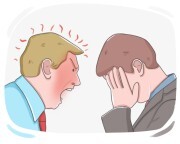
to criticize someone angrily and harshly
ругать, бранить
Менеджер отчитал сотрудника за повторяющиеся ошибки в отчете по проекту.

to strongly criticize or rebuke someone for their actions
упрекать, порицать
Редактор пожурил репортёра за фактические ошибки.

to express mild disapproval, often in a gentle or corrective manner
упрекать, бранить
Тренер пожурил команду за отсутствие командной работы во время решающего матча.

to intentionally make harmful statements to damage a person or thing's worth or reputation
порочить
Таблоид постоянно очернял знаменитость, распространяя ложные слухи, чтобы запятнать её репутацию.
to insult or make fun of someone as if they are stupid or worthless
высмеивать
Ей было больно, когда ее собственная семья начала насмехаться над ее решением бросить юридическую школу и заняться музыкой.
to speak negatively about someone, often shaming them
умалять, унижать
Он часто принижает своих коллег во время командных встреч, создавая негативную атмосферу.
to strongly criticize or condemn
гневаться
Журналист яростно критиковал действия правительства по управлению кризисом, обвиняя чиновников в некомпетентности.
to complain or speak against something forcefully and bitterly
жаловаться
Сенатор яростно выступил против нового налогового законодательства.
to criticize or reprimand severely and publicly
критиковать
Журналист жестоко критикует правительство за отсутствие прозрачности в недавнем скандале.

to say bad and untrue things about someone, typically to damage their reputation
злословить
Оппозиционная группа активно очерняет правительство в предвыборный сезон.
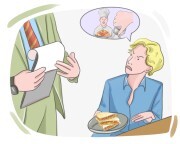
to strongly and angrily criticize or complain about something
жаловаться
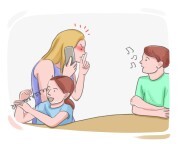
to blame someone for a mistake they made
упрекать
Разочарованная его поступками, она не могла не упрекнуть своего брата за пренебрежение своими обязанностями.
to not support and be against something or someone
обесценивать
Мэр осудил использование насилия как средства протеста, призвав граждан искать мирные альтернативы.
to criticize someone severely, often in public
разносить, критиковать
Сдирать кожу Журналист содрал кожу с политики мэра в язвительной редакционной статье.
to severely condemn through a harsh verbal criticism or attack
подвергать критике
В своей жгучей монологе эксперт жестоко раскритиковал политиков за их лицемерие и ложь.
to criticize or joke about someone or something in public
пасквилянтствовать
Карикатурист lampoonил политику мэра в газете.
to mock with contempt
высмеивать, поглумиться
Они насмехались над его попыткой петь.
to spread bad and awful commentaries about someone in order to damage their reputation
поносить, чернить
СМИ часто очерняют публичных людей за незначительные ошибки.
the act of damaging a person's character or reputation
клевета
Редакционная статья бросила тень на честность мэра.
a noisy dispute
ссора
Ссора в ресторане привлекла внимание каждого посетителя.
a critical remark
порицание
Анимадверсия редактора на статью была острой, но справедливой.
a formal church curse officially excluding a person from a religious community
анафема
Она была шокирована, узнав, что её предок когда-то находился под анафемой.
a false statement meant to misrepresent someone
клевета
Иск был подан из-за клеветы, напечатанной в газете.
the act of inflicting a penalty or other form of punishment
наказание, взыскание
Наказание вора включало как штраф, так и общественные работы.
a harsh and severe criticism or verbal attack that is aimed toward a person or thing
обличительная речь
Статья была диатрибой против новой правительственной политики.
a loud, forceful, and emotional speech or lecture, intended to persuade or criticize
разглагольствование
Политик произнёс тираду против коррупции.
a short moral lecture, offering advice on behavior
проповедь
Священник произнес проповедь о прощении во время воскресной службы.
the act of speaking a curse or wish for harm to come to someone, often as an insult or expression of anger
заклятье
Ведьма пробормотала проклятие под нос.
a shout expressing disapproval, made at a public event or performance
свист, освистывание
Аудитория ответила освистыванием на оскорбительную шутку комика.
the usage of abusive, insulting, and rude language when one is extremely angry
брань
Его речь была наполнена оскорблениями, направленными на его оппонентов.
a lengthy speech that uses harsh and angry language and intends to condemn or criticize
тирада
Менеджер произнес тираду против плохой работы команды.
a severe criticism of something or someone
строгая критика
Политик столкнулся с резкой критикой со стороны СМИ за свои спорные замечания.
a speech or piece of writing that strongly criticizes someone or something
полемика
Его полемика против современного искусства вызвала жаркие споры.
a type of criticism or insult that is hurtful and angry
брань
Его речь была наполнена бранью, резко направленной на его политического оппонента.
in a way that shows doubt, suspicion, or disapproval
с недоверием, с подозрением
Учитель косо посмотрел на опоздавшее задание.
tending to raise petty objections
придирчивый
Критик был придирчивым, придираясь к каждому предложению.
(of one's behavior) severely criticizing and disapproving
придирчивый
Статья получила критический отзыв, в котором отмечались недостатки и упущения.
unwilling or unable to believe something
недоверчивый
Она бросила на него недоверчивый взгляд, когда он заявил, что встречался с президентом.
