
Cambridge English: CPE (C2 Proficiency) - Critică și Cenzură
Învață vocabularul avansat CPE pentru critică și cenzură, inclusiv dezaprobare, condamnare, mustrare, vină, reproș și judecăți puternic negative.
Revizuire
Fișe de studiu
forme
Ortografie
Chestionar


to give criticism or a warning to someone for doing something that is wrong

mustra, dojeni
Profesorul l-a mustrat pe elev pentru că a vorbit în timpul orei.
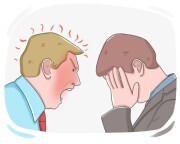
to criticize someone angrily and harshly
mustra, dojeni
Managerul a mustrat angajatul pentru greșelile repetate din raportul de proiect.

to strongly criticize or rebuke someone for their actions
mustra, dojeni
Editorul l-a mustrat pe reporter pentru erori factuale.

to express mild disapproval, often in a gentle or corrective manner
mustra, certui
Mama a mustrat copilul său pentru că nu a purtat o haină într-o zi rece.

to intentionally make harmful statements to damage a person or thing's worth or reputation
denigra, calomnia
Ziarul de tip tabloid a denigrat în mod constant celebritatea, răspândind zvonuri false pentru a-i păta reputația.
to insult or make fun of someone as if they are stupid or worthless
batjocori, râde de
Ea a fost rănită când propria ei familie a început să batjocorească decizia ei de a abandona școala de drept și de a urma muzica.
to speak negatively about someone, often shaming them
denigra, disprețui
El disprețuiește adesea colegii săi în timpul întâlnirilor de echipă, creând o atmosferă negativă.
to strongly criticize or condemn
fulmina, condamna vehement
Jurnalistul a fulminat împotriva gestionării crizei de către guvern, acuzând oficialii de incompetență.
to complain or speak against something forcefully and bitterly
a invectiva, a condamna vehement
Senatorul a atacat vehement noua legislație fiscală.
to criticize or reprimand severely and publicly
a critica sever, a mustra public
Jurnalistul critică aspru guvernul pentru lipsa de transparență în scandalul recent.

to say bad and untrue things about someone, typically to damage their reputation
defăima, calomnia
Grupul de opoziție calomniează activ guvernul în timpul sezonului electoral.
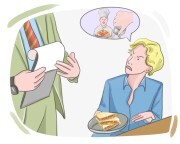
to strongly and angrily criticize or complain about something
a critica vehement, a se plânge amar
Maria tinde să critice aspru schimbările de la locul de muncă, exprimându-și nemulțumirea în mod deschis.
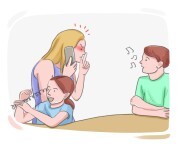
to blame someone for a mistake they made
mustra, blama
Dezamăgită de acțiunile lui, nu a putut să nu își mustre fratele pentru neglijarea responsabilităților sale.
to not support and be against something or someone
dezaproba, condamna
Primarul a dezaprobat utilizarea violenței ca mijloc de protest, îndemnând cetățenii să caute alternative pașnice.
to criticize someone severely, often in public
critica, jupui
A fost jupuit în presă după ce scandalul a izbucnit.
to severely condemn through a harsh verbal criticism or attack
condamna sever, critica aspru
În monologul său înfiorător, expertul a condamat aspru politicienii pentru ipocrizia și minciunile lor.
to criticize or joke about someone or something in public
satiriza, batjocori
Caricaturistul a lampoonat politicile primarului în ziar.
to mock with contempt
a-și bate joc, a lua în derâdere
Ei s-au batjocorit când ea a sugerat că planul ar putea funcționa.
to spread bad and awful commentaries about someone in order to damage their reputation
defăima, calomnia
Mass-media denigrează adesea personalitățile publice pentru greșeli minore.
the act of damaging a person's character or reputation
calomnie, defăimare
Editorialul a aruncat calomnii asupra onestității primarului.
a noisy dispute
altercație, ceartă zgomotoasă
Altercația din restaurant a atras atenția tuturor clienților.
a critical remark
remarcă critică, critică
Critica editorului asupra articolului a fost ascuțită dar corectă.
a formal church curse officially excluding a person from a religious community
anatemă, excomunicare
Decretul de anatemă l-a exclus din toate tainele.
a false statement meant to misrepresent someone
calomnie, defăimare
Procesul a fost intentat din cauza unei calomnii tipărite în ziar.
the act of inflicting a penalty or other form of punishment
pedepsire, sancțiune
Pedepsirea hoțului a inclus atât o amendă, cât și muncă în folosul comunității.
a harsh and severe criticism or verbal attack that is aimed toward a person or thing
diatribă, critică severă
Articolul a fost o diatribă împotriva noii politici guvernamentale.
a loud, forceful, and emotional speech or lecture, intended to persuade or criticize
tiradă, discurs înfocat
Politicianul a ținut o tiradă împotriva corupției.
a short moral lecture, offering advice on behavior
omilie, predică
Preotul a ținut o omilie despre iertare în timpul slujbei de duminică.
the act of speaking a curse or wish for harm to come to someone, often as an insult or expression of anger
blestem, imprecație
Vrăjitoarea a murmurat o blestem sub respirația ei.
a shout expressing disapproval, made at a public event or performance
fluierat, huiet
Au izbucnit fluierături când politicianul a evitat întrebarea.
the usage of abusive, insulting, and rude language when one is extremely angry
invectivă, injurie
Discursul său a fost plin de injurii adresate oponenților săi.
a lengthy speech that uses harsh and angry language and intends to condemn or criticize
tiradă
Managerul a ținut o tiradă împotriva performanței slabe a echipei.
a severe criticism of something or someone
critică severă, mustrare
Politicianul a fost confruntat cu critici dure din partea mass-media pentru remarcile sale controversate.
a speech or piece of writing that strongly criticizes someone or something
polemică, controversă
Polemica sa împotriva artei moderne a declanșat o dezbatere aprinsă.
a type of criticism or insult that is hurtful and angry
vituperare, invectivă
Discursul său a fost plin de insulte, vizând dur adversarul său politic.
in a way that shows doubt, suspicion, or disapproval
cu neîncredere, cu suspiciune
Profesorul s-a uitat cu suspiciune la tema întârziată.
tending to raise petty objections
cârcotaș, criticos
Criticul era căutător de nod în papură, criticând fiecare propoziție.
(of one's behavior) severely criticizing and disapproving
cenzor, critic sever
Articolul a primit o recenzie cenzorială, evidențiind defecte și deficiențe.
unwilling or unable to believe something
necredincios, sceptic
I-a aruncat o privire neîncrezătoare când a pretins că s-a întâlnit cu președintele.
