
Словарный запас для IELTS Academic (Оценка 5) - Язык и Грамматика
Здесь вы выучите некоторые английские слова, связанные с языком и грамматикой, которые необходимы для базового академического экзамена IELTS.
Обзор
Флэш-карточки
Правописание
Тест

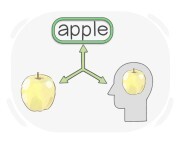
(grammar) a unit of language that has a specific meaning

слово
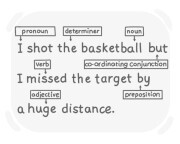
a group of words that forms a statement, question, exclamation, or instruction, usually containing a verb
предложение
Можете ли вы составить предложение, используя слова из списка лексики?
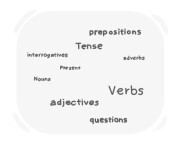
the study or use of words and the way they are put together or changed to make sentences
грамматика
Я практикую свою английскую грамматику каждый день, записывая записи в дневнике.
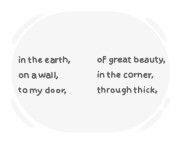
a group of words put together in a meaningful way
фраза
Он записал фразу "carpe diem" в свою тетрадь, так как она вдохновила его.
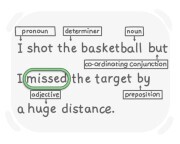
(grammar) a word or phrase used to describe an action, state, or experience
глагол
Одна из распространенных ошибок в английском - использование неправильного времени глагола.
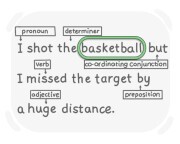
a word that is used to name a person, thing, event, state, etc.
существительное
Существительное — это слово, которое обозначает человека, место, вещь или идею.
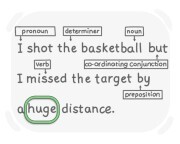
a type of word that describes a noun
прилагательное
Он изучает использование сравнительных прилагательных для своего завтрашнего теста.
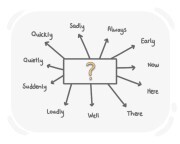
a word that gives more information about a verb, adjective, or another adverb
наречие
Наречие — это слово, которое показывает, как быстро что-то делается.

(grammar) a word that can replace a noun or noun phrase, such as she, it, they, etc.
местоимение
Он испытывал трудности с выбором правильного местоимения при обращении к людям с небинарной гендерной идентичностью.

(grammar) any type of determiner that shows whether we are referring to a particular thing or a general example of something
артикль
Она испытывала трудности с выбором правильного артикля при написании об общих и конкретных предметах.

(grammar) a word that comes before a noun or pronoun to indicate location, direction, time, manner, or the relationship between two objects
предлог
Он использовал список распространённых предлогов, чтобы помочь исправить грамматические ошибки в сочинении.

a list or an arrangement of inflected forms of a verb
спряжение
Изучение неправильных спряжений глагола 'tener' в испанском языке может быть сложным.
(grammar) a form of the verb that indicates the time or duration of the action or state of the verb
время
В предложении «Она идёт в школу» идёт стоит в настоящем времени.
a group of words or a phrase that has a meaning different from the literal interpretation of its individual words, often specific to a particular language or culture
идиома
Идиома 'kick the bucket' означает умереть, и её значение совершенно отличается от буквального толкования удара по ведру.
(grammar) any of the grammatical classes that words are categorized into, based on their usage in a sentence
часть речи
a well-known statement or phrase that expresses a general truth or gives advice
пословица, поговорка
Известная пословица гласит: 'Дела говорят громче слов', подчеркивая важность поступков по сравнению с обещаниями.

the use of marks such as a period, comma, etc. in writing to divide sentences and phrases to better convey meaning
пунктуация
Она внимательно перечитала своё эссе, чтобы убедиться, что вся пунктуация использовалась правильно.
(grammar) the form of a verb that indicates whether the subject does something or something is done to it
голос

all the words used in a particular language or subject
лексика
Его словарный запас в испанском языке довольно обширен для начинающего.

the process of changing written or spoken words from one language to another while maintaining the same meaning
перевод
Перевод романа с французского на английский занял шесть месяцев.

a book or electronic resource that gives a list of words in alphabetical order and explains their meanings, or gives the equivalent words in a different language
словарь
Карманный словарь может быть удобен во время путешествий, чтобы помочь общаться на разных языках.
the act or the ability of putting letters in the correct order to form a word
Произнеси
Её отличное правописание принесло ей главный приз в конкурсе по правописанию.
| Словарный запас для IELTS Academic (Оценка 5) | |||
|---|---|---|---|
| Культура и Обычай | Язык и Грамматика | Искусство | Музыка |
| Кино и Театр | Литература | Архитектура | Маркетинг |
| Финансы | Управление | Медицина | Болезнь и Симптомы |
| Закон | Преступление | Наказание | Политика |
| Война | Измерение | Положительные Эмоции | Негативные Эмоции |
