
Гуманитарные Науки SAT - Социальные Науки
Здесь вы выучите некоторые английские слова, связанные с социальными науками, такие как "меньшинство", "патриархальный", "перепись населения" и т.д., которые вам понадобятся для успешной сдачи SAT.
Обзор
Флэш-карточки
Правописание
Тест


a social system or practice that keeps minority groups separate from the majority, often through separate facilities or services

сегрегация
Сегрегация в школах была распространена на юге Соединённых Штатов.
the unfair treatment of a person or group based on characteristics such as race, sex, age, or religion
дискриминация
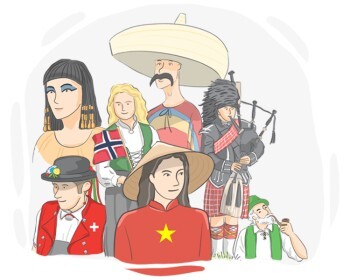
the state of belonging to a certain ethnic group
этничность, нация
В переписном листе респондентов просили указать их этническую принадлежность.
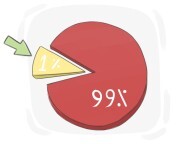
a small group of people who differ in race, religion, etc. and are often mistreated by the society
меньшинство

the action of striving to bring about social or political reform, especially as a member of an organization with specific objectives
активизм
Ее активизм в защиту окружающей среды вдохновил многих молодых людей присоединиться к этому делу.
the capacity or power of an individual or entity to take action, make decisions, and influence or control their environment or circumstances
агентство, способность действовать
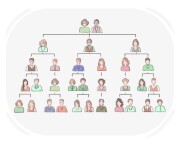
a large group of people who are related to each other
племя
a form of sociopolitical organization in which a centralized authority governs a community or a collection of communities
вождество, система вождей
Археологи обнаружили артефакты, которые позволяют предположить, что древняя цивилизация была организована как вождество.
a group of people organized to work together for a shared purpose or activity
коллектив, объединение
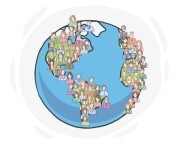
the statistical characteristics of a population, such as age, gender, and ethnicity
демографическая группа
Новая маркетинговая стратегия направлена на охват более молодой демографической группы.
the process of people moving from rural areas to urban areas, resulting in the growth of cities and the expansion of urban areas
урбанизация, городское развитие
Быстрая урбанизация изменила многие маленькие города.
a society that has developed its own culture and institutions in a particular period of time or place
цивилизация
Древний Египет считается одной из величайших цивилизаций в истории.
a system of administration organized through departments, defined responsibilities, formal procedures, and hierarchical authority
бюрократия, бюрократизм
the process of learning the values, behavior, and norms expected within a society or group
социализация
any of the basic freedoms or rights that protect individuals from unfair treatment and ensure equality under the law, regardless of race, gender, religion, disability, or other characteristics
гражданское право, основная свобода
Право голоса является важным гражданским правом во многих демократиях.
the situation or condition that is currently at hand
положение дел
Комитет решил сохранить статус-кво, а не вводить новые изменения.
the process of developing and expanding industries within a region or country, involving the increased production of goods through the use of advanced machinery, technology, and organized labor
индустриализация, промышленное развитие
Промышленная революция ознаменовала период глубокой индустриализации, введя механизированные методы производства.

people in the highest class of society who have a lot of power and wealth and usually high ranks and titles
аристократия
На мероприятии присутствовали члены аристократии в элегантной одежде.

kings and queens and any member of their families
королевская семья
На церемонии присутствовала королевская семья из нескольких стран, что добавило ей величия.

a large, important city that serves as a significant economic, political, or cultural center for a region or country
метрополия
the physical and organizational assets, such as roads, bridges, utilities, and public services, that support economic activity and daily life
инфраструктура
Правительство инвестировало миллиарды в восстановление стареющей инфраструктуры страны.
the state of being valid, justifiable, or morally acceptable
легитимность, действительность
Законность действий компании была проверена регулирующими органами.
the understanding that others have thoughts, feelings, and perspectives that are different from one's own
теория разума, понимание разума
Развитие теории разума считается важной вехой в когнитивном и социальном развитии.
the deliberate and nonviolent refusal to obey certain laws, demands, or commands of a government or authority, typically as a form of protest
гражданское неповиновение, пассивное сопротивление
Махатма Ганди использовал гражданское неповиновение как стратегию для борьбы с британским колониальным правлением в Индии.
the behavior or attitude that does not follow established norms, conventions, or expectations within a society or group
несоответствие
Его несоответствие традиционным гендерным ролям сделало его пионером в защите гендерного равенства.
a person who has been rejected or excluded from a social group or society, often due to their behavior, beliefs, or social status
изгой, отщепенец
После скандала она почувствовала себя изгоем среди своих бывших друзей.
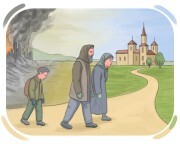
a person forced to leave their country or home to escape war, persecution, or serious danger
беженец
a local administrative unit in certain countries, functioning as the smallest division of government
коммуна
Мэр коммуны провел собрание для обсуждения новых планов общественного транспорта.
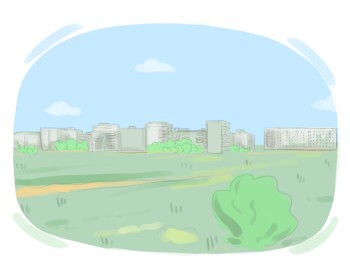
the outer areas or parts of a city or town
окрестности
Многие семьи выбирают жизнь на окраинах города, чтобы наслаждаться более спокойным образом жизни, сохраняя при этом доступ к городским удобствам.

a draining and stressful lifestyle that consists of constantly competing with others for success, wealth, power, etc. and so leaving no room for rest and pleasure
крысиные бега, бесконечная гонка за успехом
Он ушёл из этой бесконечной гонки за успехом и переехал в маленький город у моря.
an area with a church of its own that is under the care of a priest
приход
a system that divides the people of a society into different social classes based on their wealth, privilage, or profession
каста
Кастовая система в Индии исторически разделяла общество на иерархические группы на основе рождения, рода занятий и социального статуса.
a level or rank in an organization, profession, or society, indicating a person's status or authority within that hierarchy
уровень, ранг
Его повышение переместило его в верхний эшелон академических исследователей в его области.
a person's social rank or position within a structured hierarchy or society
ранг, социальное положение
marked by discrimination against or prejudice toward individuals or groups based on their social class
классовый, дискриминационный по социальному классу
Практики найма компании были раскритикованы как классовые, поскольку они отдавали предпочтение кандидатам из элитных университетов.
having a low social rank or position, often characterized by modesty
скромный, смиренный
Она никогда не забывала о своих скромных истоках, даже после достижения большого успеха в карьере.
referring to factors or conditions that involve both social and economic aspects
социально-экономический, социоэкономический
Исследование изучило социально-экономические различия в доступе к здравоохранению.

relating to a social system where men hold primary power and authority over women and families
патриархальный, патриархатный
Патриархальное общество ограничивало возможности женщин участвовать в принятии решений.
relating to the original inhabitants of a particular region or country, who have distinct cultural, social, and historical ties to that land
коренной, туземный
Правительство реализовало политику по защите прав и традиций коренных народов, проживающих в отдаленных районах.
showing concern for the well-being of people and acting to improve human welfare
человеколюбивый
Она известна своей гуманитарной работой в зонах бедствий.
including a wide range of people with different nationalities and cultures
космополитический
Космополитичная атмосфера города сделала его плавильным котлом различных культур.
referring to a vision of an ideal society, where everything is flawless or nearly perfect
утопический
Социалисты предложили создание самодостаточных утопических сообществ, где люди жили и работали совместно.
supporting political or social reform intended to change existing institutions or policies
прогрессивный, прогрессистский

displaying violent acts for the sake of a social or political aim
воинствующий
Воинствующие активисты столкнулись с полицией во время демонстрации, что привело к нескольким арестам.

characteristic of or relating to a residential area outside a city or town
пригородный

to treat a person, group, or concept as insignificant or of secondary or minor importance
маргинализировать, изолировать
Исторически коренные народы были маргинализированы и лишены своих прав на землю.
to officially count and collect information about the members of a population
провести перепись
to integrate into a new environment, often by adopting its language, norms, values, and practices
ассимилироваться, интегрироваться
Компания поощряла новых сотрудников быстро ассимилироваться в корпоративной культуре, посещая программы ориентации.

to help someone to restore to a healthy and independent state after a period of imprisonment, addiction, illness, etc.
реабилитировать
Программа была направлена на реабилитацию лиц с проблемами злоупотребления психоактивными веществами, обеспечивая поддержку для жизни без наркотиков.
