Словарный Запас для IELTS (Академический) - Общество
Здесь вы выучите некоторые английские слова о обществе, такие как "гражданин", "ранг", "равный" и т.д., которые необходимы для экзамена IELTS.
Обзор
Флэш-карточки
Правописание
Тест

someone whose right of belonging to a particular state is legally recognized either because they are born there or are naturalized

гражданин, гражданка
Каждый гражданин имеет право голосовать на демократических выборах.
a group of people having the same economic or social status in a particular society
класс
Многие рабочие принадлежат к среднему классу.
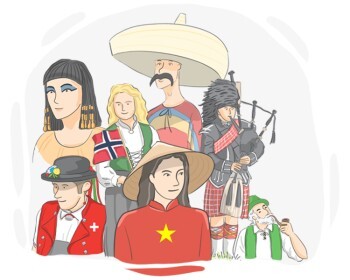
the practice of involving many people from different cultures, social backgrounds, sexual orientations, etc.
разнообразие
Некоммерческая организация способствует разнообразию, привлекая волонтеров из разных слоев общества и с разным опытом.
relating to a group of people with shared culture, tradition, history, language, etc.
этнический
Район отмечает свое разнообразное этническое наследие культурными фестивалями и мероприятиями.
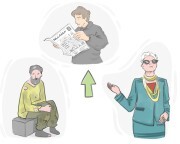
the social class between the upper and lower classes that includes professional and business people
средний класс
Многие семьи среднего класса владеют своими домами.
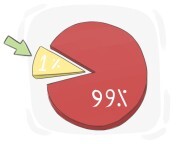
a small group of people who differ in race, religion, etc. and are often mistreated by the society
меньшинство
Фестиваль отметил традиции местных меньшинств.

a person who has the power to rule over a kingdom or empire, especially someone who inherits this power
монарх
Монарх обратился к нации во время телевизионного выступления, обсуждая важные вопросы и предстоящие события.
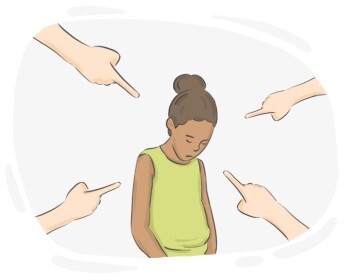
harmful or unfair actions, words, or thoughts directed at people of different races, often based on the idea that one’s own race is more intelligent, moral, or worthy
расизм
Расизм в полиции уже давно является проблемой.
a person's position within a social hierarchy or class
чин
Дворянство занимало самый высокий ранг в средневековом обществе.

the scientific study of human society, its nature, structure, and development, as well as social behavior
социология
Его урок социологии охватывал темы, такие как социальные нормы и роль семьи в обществе.
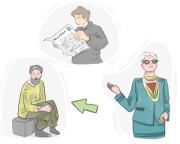
the social class consisting of people with the lowest position in society and the least money
низший класс
Многие семьи из низшего класса сталкиваются с финансовыми трудностями.
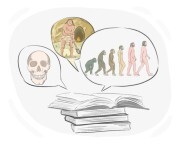
the study of the origins and developments of the human race and its societies and cultures
антропология
Сара решила специализироваться на антропологии, чтобы изучать различные культуры и общества по всему миру.
the legal status of being a member of a certain country
гражданство
Гражданство — это правовой статус, который предоставляет лицам определенные права и обязанности в стране.
officially relating to or connected with a city or town
гражданский
Гражданские лидеры собрались, чтобы обсудить планы по улучшению общественной инфраструктуры в городе.
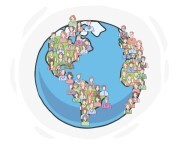
the statistical characteristics of a population, such as age, gender, and ethnicity
демографическая группа
Новая маркетинговая стратегия направлена на охват более молодой демографической группы.
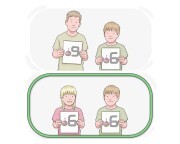
a person of the same age, social status, or capability as another specified individual
сверстник
В старшей школе ему было трудно найти сверстников, которые разделяли его страсть к классической литературе.

an old person, especially someone who is retired
пенсионер, пожилой гражданин
Как пенсионер, он пользуется скидками, предлагаемыми в местных магазинах и ресторанах.
lower in rank or status in comparison with someone or something else
низший
Он чувствовал, что его положение в компании было ниже, чем у его более опытных коллег.

higher in status or rank in comparison with someone or something else
превосходный, начальник
Как генеральный директор, она занимала высшее положение в корпоративной иерархии, контролируя все операции и принимая стратегические решения.
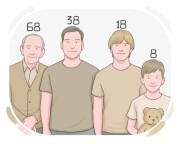
people born and living at approximately the same period of time
поколение
Старшее поколение часто вспоминает жизнь до того, как смартфоны стали повсеместными.
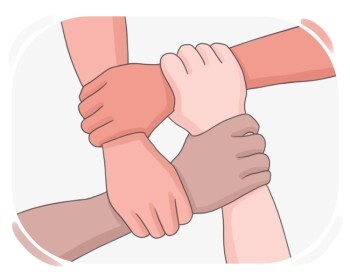
each of the main groups into which humans can be divided based on their physical attributes such as the color of their skin
раса
Несмотря на достижения в понимании человеческой генетики, раса продолжает играть значительную роль в обществе, влияя на все, от социальных взаимодействий до доступа к ресурсам.
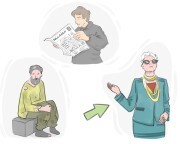
a social group made up of people who hold the highest social position and are usually quite wealthy
высший класс
Образ жизни высшего класса отличается от других социальных групп.

a social class that consists of people with low incomes who do manual or industrial work
рабочий класс
Рабочий класс боролся за лучшую заработную плату.
a person who holds strong opinions about race, religion or politics and is intolerable of differing views
фанатик
Речи политика показали, что он фанатик, который отказывался рассматривать любые точки зрения, кроме своей собственной.
a small group of people in a society who enjoy a lot of advantages because of their economic, intellectual, etc. superiority
элита
Элита собралась в эксклюзивном клубе на свое ежегодное собрание.

the movement that supports equal rights and opportunities for women and men
феминизм
Она узнала о феминизме в школе.

one of a series of rights that every human being must have
право человека
Гендерное равенство — это важное право человека, которое обеспечивает равные возможности и отношение для людей всех гендеров в образовании, трудоустройстве и политическом участии.