IELTS のための語彙 (アカデミック) - 社会
ここでは、IELTS試験に必要な「市民」、「階級」、「同僚」などの社会に関するいくつかの英単語を学びます。
レビュー
フラッシュカード
綴り
クイズ

someone whose right of belonging to a particular state is legally recognized either because they are born there or are naturalized

市民, 国民
a group of people having the same economic or social status in a particular society
階級, 社会階層
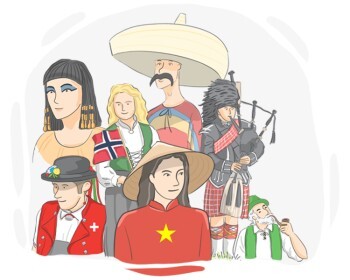
the practice of including people from a range of social, cultural, ethnic, and other backgrounds in a group or organization
多様性, ダイバーシティ
relating to a group of people who share a common culture, history, language, traditions, or ancestry
民族の, エスニックな
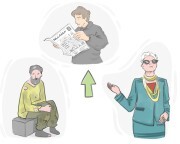
the social class between the upper and lower classes that includes professional and business people
中産階級, ブルジョアジー
多くの中流階級の家族は自分の家を所有しています。
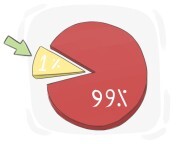
a small group of people who differ in race, religion, etc. and are often mistreated by the society
少数派

a person who has the power to rule over a kingdom or empire, especially someone who inherits this power
君主, 王
彼はさまざまな歴史的な君主の画像が特徴のコインや切手を収集しました。
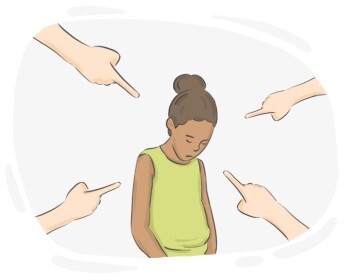
harmful or unfair actions, words, or thoughts directed at people of different races, often based on the idea that one’s own race is more intelligent, moral, or worthy
人種差別, 人種的差別
彼女は店で直面した人種差別にショックを受けました。
a person's position within a social hierarchy or class
階級, 地位

the study of human society, social relationships, institutions, and patterns of social behavior
社会学
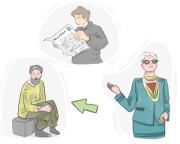
the social class consisting of people with the lowest position in society and the least money
下層階級, 低い階級
下層階級の多くの家族は経済的困難に直面しています。
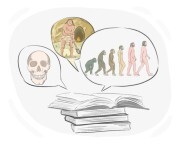
the study of the origins and developments of the human race and its societies and cultures
人類学
サラは世界中の多様な文化と社会を研究するために人類学を専攻することに決めました。
the legal status of being a member of a certain country
国籍, 市民権
市民権は、個人に国内で特定の権利と責任を付与する法的地位です。
officially relating to or connected with a city or town
市民の, 都市の
市民のリーダーたちが、都市の公共インフラを改善する計画について話し合うために会合を持った。
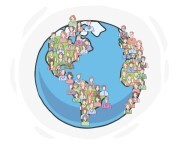
the statistical characteristics of a population, such as age, gender, and ethnicity
人口統計学的, 人口統計学的特徴
新しいマーケティング戦略は、より若い人口統計学的グループをターゲットにしています。
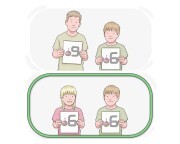
a person who is the same age, has the same social status, or has similar abilities or qualifications as another person
同輩, 同僚

an old person, especially someone who is retired
高齢者, 退職者
高齢者として、彼は地元の店やレストランで提供される割引を楽しんでいます。
lower in rank or status in comparison with someone or something else
劣っている, 下位の
彼は、会社での自分の立場が、より経験豊富な同僚たちよりも劣っていると感じた。

higher in rank, status, importance, or authority
上級の, 上司の
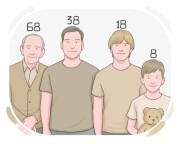
people born and living at approximately the same period of time
世代, 世代
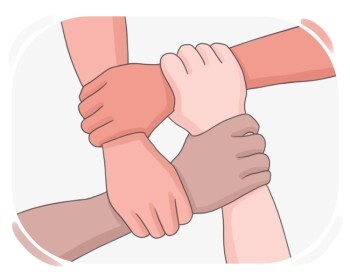
each of the main groups into which humans can be divided based on their physical attributes such as the color of their skin
人種, 民族グループ
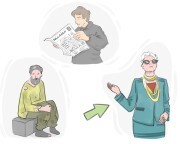
a social group made up of people who hold the highest social position and are usually quite wealthy
上流階級, 上流社会
上流階級はしばしば大規模な不動産や事業を所有しています。

the social and economic class consisting mainly of people who earn wages, especially through manual, industrial, or service work
労働者階級, 勤労階級
a person who holds strong opinions about race, religion or politics and is intolerable of differing views
偏屈者, 不寛容な人
その政治家のスピーチは、自分以外の視点を一切考慮しない偏屈者であることを明らかにした。
a small group considered the most powerful, successful, skilled, or privileged within a society or organization
エリート, 精鋭

the movement that supports equal rights and opportunities for women and men
フェミニズム, フェミニスト運動
彼女は学校でフェミニズムについて学びました。

one of a series of rights that every human being must have
人権
1948年に国際連合によって採択された世界人権宣言は、生命、自由、および個人の安全に対する権利などの基本的な人権を概説しています。