
Danh Sách Từ Vựng Trình Độ C2 - Thảm họa và Ô nhiễm
Tại đây, bạn sẽ học tất cả các từ cần thiết để nói về Thảm họa và Ô nhiễm, được thu thập đặc biệt cho người học trình độ C2.
Xem lại
Thẻ ghi nhớ
Chính tả
Đố vui

an event causing great and often sudden damage, distress, or destruction

tai họa, thảm họa
Đại dịch là một thảm họa toàn cầu, ảnh hưởng đến hàng triệu sinh mạng và nền kinh tế trên khắp thế giới.
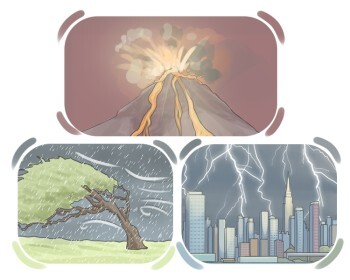
a sudden, violent natural disaster that drastically alters the earth's landscape
thảm họa, thiên tai
Các nhà khoa học chỉ ra tác động của tiểu hành tinh hoặc sao chổi như là lý thuyết hàng đầu về thảm họa đã xóa sổ loài khủng long.
action that breeds severe damage or destruction
tàn phá, sự tàn phá
Sự tàn phá của đám cháy rừng đã thiêu rụi nhiều khu vực rừng rộng lớn, để lại phía sau những cảnh quan cháy đen.
an extremely intense and destructive fire
đám cháy lớn, ngọn lửa tàn phá
Các ghi chép lịch sử mô tả trận hỏa hoạn đã quét qua thành phố, phá hủy vô số ngôi nhà và địa danh.
a cause of widespread suffering or affliction
tai họa, nạn
Tai họa của những cơn bão là mối đe dọa thường trực đối với các vùng ven biển, gây ra thiệt hại lớn và di dời.
a smaller earthquake or tremor that follows the main shock of a seismic event
dư chấn, chấn động phụ
Dư chấn, mặc dù ít dữ dội hơn, vẫn góp phần vào thiệt hại cấu trúc đã xảy ra do trận động đất ban đầu.
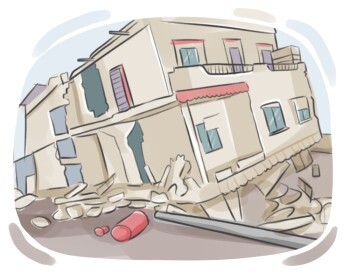
an earthquake caused by underground movement or volcanic activity
động đất, rung chuyển
Cư dân bị giật mình bởi trận động đất, điều này khiến họ xem xét lại các kế hoạch chuẩn bị khẩn cấp.
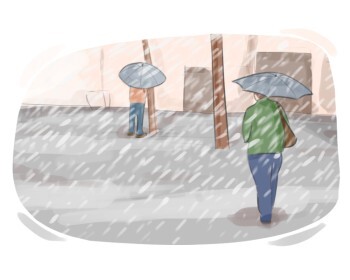
a sudden and heavy rainfall
trận mưa lớn, lũ lụt
Sự kiện ngoài trời đã bị hủy bỏ đột ngột khi một trận mưa như trút nước làm ngập khu vực, khiến người tham dự phải chạy tìm chỗ trú ẩn.
the action of rescuing a ship, its crew, or its cargo from a shipwreck, fire, or similar disaster
cứu hộ, trục vớt
Công ty bảo hiểm từ chối thanh toán cho những thiệt hại không được thu hồi trong quá trình cứu hộ.
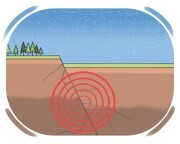
the point on the surface of the earth vertically above the focus of an earthquake where its effects are felt most strongly
tâm chấn, trung tâm
Các nhà khoa học xác định tâm chấn của dư chấn cách trận động đất ban đầu vài dặm, làm phức tạp thêm nỗ lực khắc phục.
a tornado occurring over a body of water, characterized by a funnel-shaped cloud filled with water droplets or spray
vòi rồng nước, lốc xoáy trên mặt nước
Những người đi biển đã kinh ngạc khi thấy một vòi rồng nước nhảy múa trên đại dương, thu hút sự chú ý đến hiện tượng tự nhiên.
a waste treatment process that involves the combustion of substances contained in waste materials
lò đốt rác, thiết bị đốt chất thải
Khu công nghiệp có một lò đốt rác lớn để xử lý việc tiêu hủy các sản phẩm phụ của sản xuất.
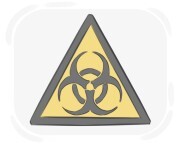
a risk to human health or to the environment caused by a biological source, especially microorganisms
nguy cơ sinh học, biohazard
Các nhà khoa học xử lý mối nguy sinh học phải tuân thủ các giao thức an toàn nghiêm ngặt để ngăn ngừa phơi nhiễm với vi sinh vật có hại.
the semi-solid residue produced during sewage or wastewater treatment
bùn, chất thải bán rắn
Bùn thường được xử lý thêm trước khi thải bỏ hoặc sử dụng làm phân bón.
a black powdery substance produced by burning materials like wood or coal
bồ hóng, muội than
Giao thông đông đúc ở các khu vực đô thị có thể góp phần làm tăng mức bồ hóng trong không khí, ảnh hưởng đến chất lượng không khí.
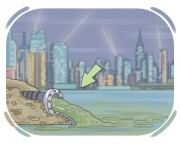
liquid waste or sewage discharged into rivers, lakes, or the sea
nước thải, chất thải lỏng
Nhà máy xử lý nước thải xử lý hàng triệu gallon nước thải mỗi ngày, đảm bảo an toàn khi trả lại các vùng nước tự nhiên.
waste or debris produced by the disintegration or decomposition of organic or inorganic matter
mảnh vụn, chất thải
Tòa nhà bị bỏ hoang trong tình trạng hư hỏng, với mảnh vỡ rải rác khắp nội thất.
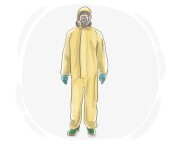
a protective garment worn by workers to safeguard against exposure to hazardous substances or environments
bộ đồ hazmat, trang phục bảo hộ hazmat
Trong đợt bùng phát, nhân viên y tế mặc bộ đồ bảo hộ để giảm thiểu nguy cơ phơi nhiễm với virus truyền nhiễm.
airborne particles, such as dust or debris, that settle after a nuclear explosion or similar event
bụi phóng xạ, lắng đọng phóng xạ
Các nhà khoa học theo dõi mô hình bụi phóng xạ để đánh giá mức độ ảnh hưởng của vụ nổ hạt nhân.
a suspension of fine solid or liquid particles dispersed in a gas
aerosol, aerosol
Ô nhiễm thường chứa các aerosol có hại ảnh hưởng đến chất lượng không khí.
a small, discrete particle or substance, especially one suspended in air, such as dust, pollen, or soot
hạt, vật chất dạng hạt
Mặt nạ có bộ lọc không khí hiệu suất cao (HEPA) có thể giúp giảm tiếp xúc với các hạt trong không khí.
a device in a vehicle's exhaust system that reduces the emission of harmful pollutants by promoting chemical reactions that convert them into less harmful substances
bộ chuyển đổi xúc tác, bộ xúc tác
Cơ khí có thể chẩn đoán các vấn đề với bộ chuyển đổi xúc tác thông qua các bài kiểm tra chuyên biệt để đảm bảo hoạt động đúng cách.
