
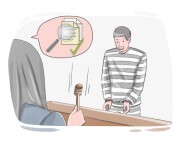
used to say that one is free from suspicion or danger of wrongdoing

摆脱嫌疑, 洗清嫌疑
那些邮件证明她已经洗清了嫌疑。

used to refer to a situation in which one is taking legal action to solve a problem or crime
正在办案, 正走法律程序
我们的律师正在处理此案,所以我们不会直接联系他们。
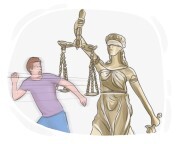
used to refer to the ability of the legal system and police to enforce justice and punish criminals
法律的制裁, 法网
那伙人以为自己安全了,却低估了法律的制裁。
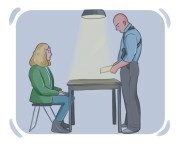
a tough and forceful way of questioning someone in order to make them reveal information or admit to something, often using harsh methods
严厉盘问, 逼问
我晚回家后,父母把我盘问了一通。
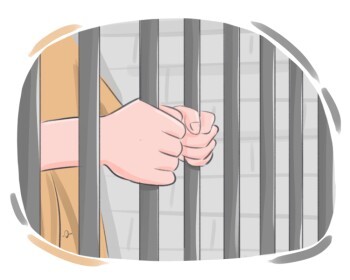
used to refer to someone who is imprisoned or serving time in prison
身陷囹圄, 在监狱里
那个小偷终于进了监狱。
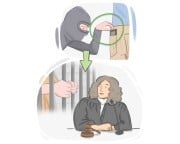
to be in risk of receiving punishment or getting into trouble
要有麻烦了, 可能要受罚
他打破了窗户,这下要有麻烦了。
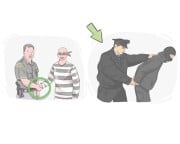
strictly adhering to established rules, procedures, or standardized practices
按规矩办, 严格按流程
这件事必须按规矩办,否则许可证可能会被拒。

rules that determine what one should or should not do in a particular situation
该做和不该做的事, 基本规矩
这份指南说明了独自旅行时该做和不该做的事。

approval to begin a project
绿灯, 获准启动
财务部没有开绿灯之前,我们不能招聘新团队。
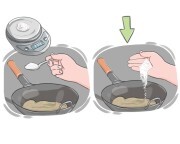
a method or principle solely based on experience, which may not be completely accurate
经验法则, 大致原则
大致原则是提前十五分钟到,但也要看是什么活动。

used to describe people who are easily targeted for criticism or are attracting significant negative attention
成为众矢之的, 处在风口浪尖
丑闻过后,这位首席执行官成了媒体的重点攻击对象。
used to admit that the accusations or charges against one are true
我认了, 确实如此
她说我开会时看手机,我就说:确实如此,我认了。
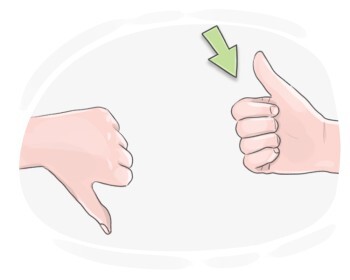
a statement indicating that something is safe and free of any defects or problems
无问题证明, 安全合格证明
报告确认软件没有问题,所以我们可以发布。
