pattern

Insight - Upper-intermediate - Unit 8 - 8A

Here you will find the vocabulary from Unit 8 - 8A in the Insight Upper-Intermediate coursebook, such as "agonizing", "emission", "conserve", etc.

Review

Flashcards

Forms

Spelling

Quiz
Start learning
Insight - Upper-intermediate
painful
painful
[Adjective]

causing physical pain in someone

Ex: The painful bruise on his leg made it hard to walk. 
Close
Sign in
agonizing
agonizing
[Adjective]

causing a lot of difficulty, pain, distress, or discomfort

Ex: The agonizing wait for test results filled her with dread. 
Close
Sign in
impressive
impressive
[Adjective]

causing admiration because of size, skill, importance, etc.

Ex: The impressive architecture of the cathedral left visitors in awe of its grandeur and craftsmanship. 
Close
Sign in
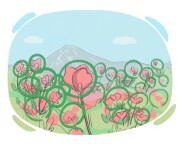
awe-inspiring
awe-inspiring
[Adjective]

evoking a feeling of great respect, admiration, and sometimes fear
Ex: The awe-inspiring view from the mountaintop left us speechless. 
Close
Sign in
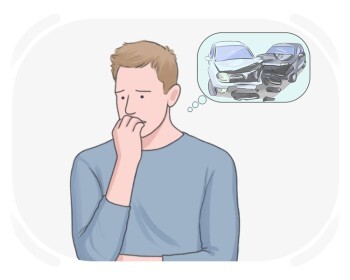
upsetting
upsetting
[Adjective]

causing sadness, anger, or concern

Ex: The upsetting news of the accident left everyone feeling shaken and concerned. 
Close
Sign in
distressing
distressing
[Adjective]

causing feelings of discomfort, sadness, or anxiety

Ex: The sudden change in the company's financial situation was distressing to the employees. 
Close
Sign in
destroyed
destroyed
[Adjective]

completely ruined or severely damaged beyond repair or use

Close
Sign in
critical
critical
[Adjective]

noting or highlighting mistakes or imperfections

Ex: She gave a critical review of the movie, focusing on its weak plot. 
Close
Sign in
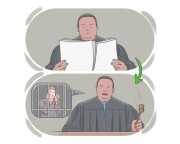
outlawed
outlawed
[Adjective]

prohibited by law or made illegal

Ex: The sale of certain drugs is outlawed in many countries. 
Close
Sign in
slaughter
slaughter
[noun]

the killing of animals for food, often done on a large scale in industrial settings
Ex: The slaughter of livestock is a critical part of the meat production industry. 
Close
Sign in
countless
countless
[Adjective]

so numerous that it cannot be easily counted or quantified

Ex: The night sky was filled with countless stars. 
Close
Sign in
monstrous
monstrous
[Adjective]

exceptionally large in size

Ex: The monstrous waves threatened to capsize the small fishing boat. 
Close
Sign in
wiped-out
wiped-out
[Adjective]

completely destroyed or eliminated

Ex: The hurricane left several coastal towns in a wiped-out state. 
Close
Sign in
cold-blooded
cold-blooded
[Adjective]

showing no emotion or sympathy

Ex: The detective described the crime as a cold-blooded act of violence. 
Close
Sign in
empathy
empathy
[noun]

the ability to understand and share the feelings of another person

Ex: She showed great empathy toward her friend during the difficult time. 
Close
Sign in
to [be] better off

to find oneself in a better condition or situation
Ex: You'll be better off with a smaller apartment. 
Close
Sign in
to base on

to develop something using certain facts, ideas, situations, etc.
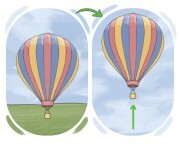
Ex: The report is based on extensive research in the field. 
Close
Sign in
to rise
to rise
[Verb]

to move from a lower to a higher position
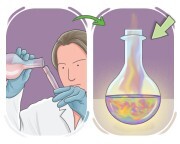
Ex: The hot air balloon rose gracefully into the sky. 
Close
Sign in
result
result
[noun]

something that is caused by something else
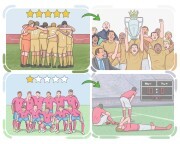
Ex: The medication had the desired result of reducing the patient's symptoms. 
Close
Sign in
to depend on

to be determined or affected by something else

Ex: The success of a startup company can depend on securing funding, market demand, and effective marketing strategies. 
Close
Sign in
ingredient

a food item that forms part of a recipe or culinary mixture

Ex: Flour is the main ingredient in bread. 
Close
Sign in
to threaten

to say that one is willing to damage something or hurt someone if one's demands are not met
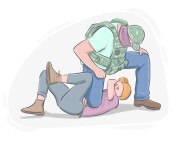
Ex: The robber threatened the store clerk with a knife if they didn't hand over the money. 
Close
Sign in
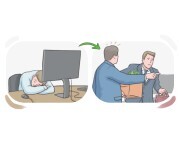
to attack
to attack
[Verb]

to act violently against someone or something to try to harm them
Ex: The predators in the wild often attack weaker members of the herd. 
Close
Sign in
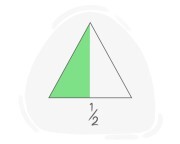
fraction
fraction
[noun]

a number obtained by dividing one integer or rational number by another, typically written in the form a/b

Ex: One-half (1/2) is a simple fraction. 
Close
Sign in
to concern

to cause someone to worry

Ex: The decline in his health concerned his family, prompting them to seek medical advice. 
Close
Sign in
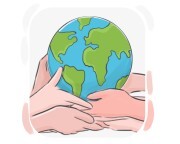
environmental
environmental
[Adjective]

relating to the natural world and effects of human actions on it
Ex: Environmental pollution, such as air and water pollution, poses threats to both human health and the ecosystem. 
Close
Sign in
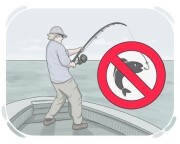
to ban
to ban
[Verb]

to officially forbid a particular action, item, or practice
Ex: Certain fishing practices were banned to protect endangered marine species. 
Close
Sign in
to cause
to cause
[Verb]

to make something happen, usually something bad
Ex: Please don't cause any more problems in class. 
Close
Sign in
to conserve

to keep something from change or harm

Ex: Conservationists work to conserve natural habitats and protect endangered species. 
Close
Sign in
to maintain

to make something stay in the same state or condition

Ex: The janitor regularly maintains cleanliness in the office by cleaning and organizing. 
Close
Sign in
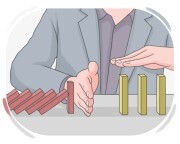
to overexploit

to use something in an excessive manner that can result in depletion or damage of the resource being used
Close
Sign in
to prevent

to not let someone do something

Ex: The security guard prevented the unauthorized person from entering the building. 
Close
Sign in
to reduce
to reduce
[Verb]

to make something smaller in amount, degree, price, etc.

Ex: The company decided to reduce the prices of its products to attract more customers. 
Close
Sign in
to threaten

to say that one is willing to damage something or hurt someone if one's demands are not met
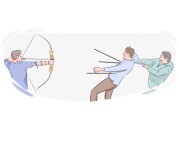
Ex: The robber threatened the store clerk with a knife if they didn't hand over the money. 
Close
Sign in
to protect

to prevent someone or something from being damaged or harmed

Ex: A majority of Democrats believe that such regulations protect the public. 
Close
Sign in
imbalance
imbalance
[noun]

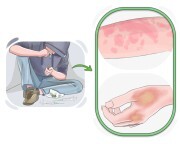
lack of equal distribution between two or more things, often resulting in an unfair situation
Ex: There is a significant imbalance in the distribution of wealth in many countries. 
Close
Sign in
nature
nature
[noun]

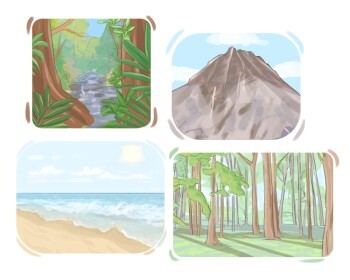
everything that exists or happens on the earth, excluding things that humans make or control
Ex: Can you hear the sound of nature? 
Close
Sign in
harmful
harmful
[Adjective]

causing damage or negative effects to someone or something

Ex: Smoking is harmful to your health. 
Close
Sign in
impact
impact
[noun]

an influence or effect that something has on a person, situation, or thing
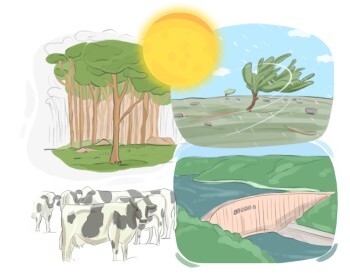
Ex: The teacher’s encouragement had a positive impact on the student’s confidence. 
Close
Sign in
resource
resource
[noun]

(usually plural) a country's gas, oil, trees, etc. that are considered valuable and therefore can be sold to gain wealth
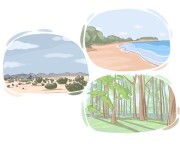
Ex: The country's natural resources include oil, natural gas, and minerals. 
Close
Sign in
ecosystem
ecosystem
[noun]

a community of living organisms together with their physical environment, interacting as a system
Ex: Coral reefs are diverse ecosystems that support a wide range of marine life. 
Close
Sign in
species
species
[noun]

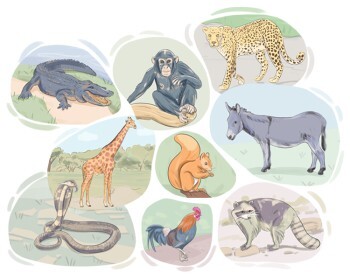
a group that animals, plants, etc. of the same type which are capable of producing healthy offspring with each other are divided into
Ex: The Galapagos finches are a classic example of how different species can evolve from a common ancestor. 
Close
Sign in
carbon
carbon
[noun]

a nonmetal element that can be found in all organic compounds and living things

Ex: Graphite, used in pencils, is another allotrope of carbon. 
Close
Sign in
emission
emission
[noun]

the release of gas, radiation, or other substances into the air or environment

Ex: The car produces less emission than older models. 
Close
Sign in
toxic waste

a type of waste that contains harmful chemicals that can cause serious health and environmental problems if not properly handled and disposed of
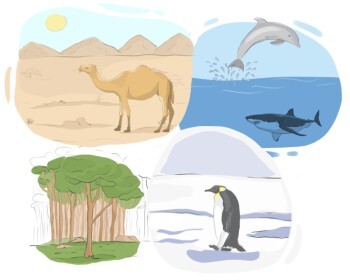
Ex: The factory was fined for illegally dumping toxic waste into the river. 
Close
Sign in
habitat
habitat
[noun]

the place or area in which certain animals, birds, or plants naturally exist, lives, and grows

Ex: Coral reefs provide a rich habitat for thousands of marine species. 
Close
Sign in
LanGeek
Download LanGeek app