
pattern

SAT Word Skills 4 - Lesson 30

Review

Flashcards

Forms

Spelling

Quiz

Start learning
SAT Word Skills 4
difference

the way that two or more people or things are different from each other

Ex: Can you explain the difference between these two models of smartphones? 
Close
Sign in
differentia

a characteristic that distinguishes one thing from another, especially in a biological or philosophical context
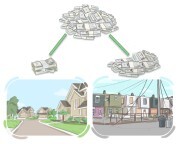
Ex: In biological classification, the differentia between two closely related species can be subtle but important. 
Close
Sign in
differential
differential
[Adjective]

different in comparison to something else based on the circumstances

Ex: The company offers employees a higher salary based on their level of experience, creating a pay scale with differential wages. 
Close
Sign in
to differentiate

to be something that marks two things or people as completely distinguished or different

Ex: The bright red dress really differentiates her from the rest of the guests. 
Close
Sign in
to preempt

to render a plan or action ineffective or unnecessary by doing something before it happens

Ex: The manager preempted the competitors by launching the product early. 
Close
Sign in
to preexist

to exist before a specific event, object, or condition

Ex: The ancient trees in the forest pre-existed the development of the new park. 
Close
Sign in
premonition

a strong feeling or sense that something unpleasant is going to happen, often without clear evidence or reason

Ex: She had a premonition that something bad was about to occur. 
Close
Sign in
presage
presage
[noun]

a strong inner feeling or intuition of a troubling future event

Ex: She felt a presage deep in her chest, warning her not to board the plane. 
Close
Sign in
riddance
riddance
[noun]

the act of getting rid of something or someone unwanted

Ex: He felt a sense of riddance as he moved out of the noisy apartment. 
Close
Sign in
riddled
riddled
[Adjective]

having many holes caused by damage or decay
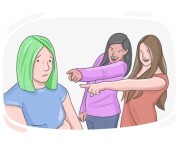
Ex: The old fence was riddled with bullet holes from years of neglect. 
Close
Sign in
to ridicule

to make fun of someone or something

Ex: The comedian often ridicules societal norms in his stand-up routines. 
Close
Sign in
to circulate

to constantly move around a gas, air, or liquid inside a closed area

Ex: The fan helps circulate air throughout the room, keeping it cool and comfortable. 
Close
Sign in
circuitous
circuitous
[Adjective]

(of a route) longer and more indirect than the most direct course

Ex: The river followed a circuitous path, winding through the valley before reaching the sea. 
Close
Sign in
indefatigable
indefatigable
[Adjective]

showing so much energy and persistence and never becoming tired of trying to achieve something
Ex: She remained indefatigable in her efforts to improve the education system, despite constant obstacles. 
Close
Sign in
infrequent
infrequent
[Adjective]

happening at irregular intervals

Ex: He made infrequent visits to his hometown since moving away. 
Close
Sign in
to infringe

to violate someone's rights or property

Ex: The company was warned about potential legal consequences if it continued to infringe environmental regulations. 
Close
Sign in
inimitable
inimitable
[Adjective]

beyond imitation due to being unique and of high quality

Ex: Her inimitable style of singing, with its soulful tone and impeccable technique, set her apart from other artists. 
Close
Sign in
insuperable
insuperable
[Adjective]

(of a difficulty or problem) so severe that it cannot be solved easily

Ex: Without the right resources, the task appeared insuperable from the start. 
Close
Sign in
LanGeek
Download LanGeek app