

pattern

SAT Word Skills 4 - Lesson 28

Review

Flashcards

Forms

Spelling

Quiz

Start learning
SAT Word Skills 4
to comprise

to form or be the parts that create a complete whole

Ex: Five departments comprise the entire organization. 
Close
Sign in
to compromise

to settle a disagreement or conflict by both sides making concessions

Ex: Despite their differing opinions, they knew they needed to compromise in order to maintain a harmonious relationship. 
Close
Sign in
exceptionable
exceptionable
[Adjective]

given to cause objection

Ex: The manager found some exceptionable clauses in the contract and demanded revisions. 
Close
Sign in
to exempt
to exempt
[Verb]

to officially excuse someone from a requirement or obligation

Ex: The government announced a program to exempt low-income families from certain property taxes. 
Close
Sign in
meritocracy

a societal system where success is determined by individual skill and ability rather than factors like wealth or social status

Ex: Meritocracy rewards hard work over family connections. 
Close
Sign in
meritorious
meritorious
[Adjective]

deserving praise or compensation

Ex: The firefighter's actions during the rescue operation were considered meritorious, earning him the highest honor in the department. 
Close
Sign in
prospector

a person who searches for invaluable substance, such as gold, on or under the ground

Ex: He worked as a prospector during the gold rush, moving from one area to another in search of precious metals. 
Close
Sign in
prospectus

a descriptive catalog or booklet providing information about the courses, programs, and other offerings available at a college or university
Ex: She reviewed the prospectus carefully before deciding on her major. 
Close
Sign in
to berate
to berate
[Verb]

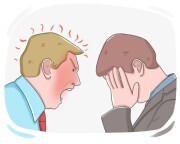
to criticize someone angrily and harshly

Ex: The manager berated the employee for the repeated mistakes in the project report. 
Close
Sign in
beret
beret
[noun]

a round hat, typically made of wool or other soft material, that is flat at the top of the head and has no brim

Ex: She wore a red beret that added a stylish touch to her outfit. 
Close
Sign in
freemason
freemason
[noun]

a member of an international secret society, known for its secret rituals, symbols, and fellowship

Ex: Many historical figures, including some U.S. presidents, were known to be freemasons. 
Close
Sign in
freethinker

someone who has their own opinions, ideas, and beliefs rather than accepting other people's, especially about religion or politics

Ex: In an age of conformity, she proudly identified as a freethinker, always striving to think for herself. 
Close
Sign in
intestate
intestate
[Adjective]

dying without having left a will behind
Ex: To avoid dying intestate, many people choose to draft a will early in life. 
Close
Sign in
intestine
intestine
[noun]

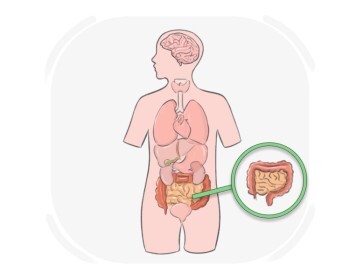
a long, continuous tube in the body through which the food coming from the stomach moves and is passed

Ex: The doctor explained that the intestine is crucial for nutrient absorption and digestion. 
Close
Sign in
to dissolve

(of a solid) to become one with a liquid

Ex: Sugar dissolves quickly in hot tea. 
Close
Sign in
dissolution

the formal ending of a business agreement, marriage, parliament, organization, etc.

Ex: The dissolution of their partnership marked the end of a ten-year business relationship. 
Close
Sign in
dissolute
dissolute
[Adjective]

lacking restraint and morality in the way of life

Ex: The novel portrayed the main character as a dissolute aristocrat who squandered his wealth. 
Close
Sign in
pharmacy
pharmacy
[noun]

a shop where medicines are sold

Ex: She went to the pharmacy to pick up her prescription and consult the pharmacist about dosage. 
Close
Sign in
pharmacopoeia

a supply of drugs and medicines

Ex: The hospital maintained a pharmacopoeia of essential drugs to ensure they were always available for treatment. 
Close
Sign in
pharmaceutic
pharmaceutic
[Adjective]

of or relating to pharmacy or pharmacists

Close
Sign in
LanGeek
Download LanGeek app