

pattern

SAT Word Skills 4 - Lesson 24

Review

Flashcards

Forms

Spelling

Quiz

Start learning
SAT Word Skills 4
sacred
sacred
[Adjective]

connected with God or a god, and considered holy or deeply respected in religious contexts

Ex: The river is considered sacred in many indigenous cultures. 
Close
Sign in
sacrilege
sacrilege
[noun]

the act of disrespectfully treating a sacred item or place
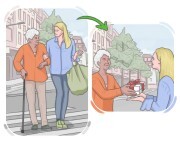
Ex: Vandalizing a place of worship is considered a sacrilege by many religious communities. 
Close
Sign in
to requite

to give something as a reward or compensation for services, favors, or achievements

Ex: The hero was requited with riches and honors for his bravery in battle. 
Close
Sign in
requital
requital
[noun]

an act of giving something in return for an action or something else
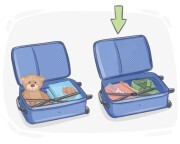
Ex: The generous gift was given as a requital for his years of loyalty. 
Close
Sign in
requisite
requisite
[Adjective]

required for a particular purpose or situation
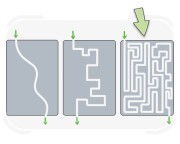
Ex: Fulfilling the requisite qualifications is essential for applying to the job. 
Close
Sign in
prohibitory
prohibitory
[Adjective]

(of a cost or price) so high that discourages purchasing or doing something

Ex: The prohibitory cost of healthcare often discourages people from seeking necessary treatments. 
Close
Sign in
Prohibition

the period from 1920 to 1933 in the United States during which the manufacture, sale, and transport of alcoholic beverages was constitutionally banned
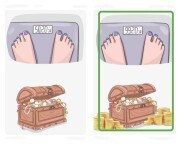
Ex: Prohibition led to the rise of speakeasies across the country. 
Close
Sign in
immense
immense
[Adjective]

extremely large or vast in physical size
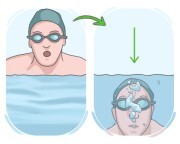
Ex: The Grand Canyon's immense size and breathtaking beauty attract millions of visitors each year. 
Close
Sign in
to immerse

to completely put something into a liquid
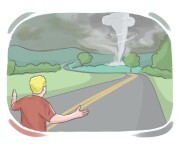
Ex: The cook immersed the vegetables completely in the boiling water. 
Close
Sign in
imminent
imminent
[Adjective]

(particularly of something unpleasant) likely to take place in the near future

Ex: With tensions escalating between the two countries, war seemed imminent. 
Close
Sign in
to immolate

to kill oneself or someone as a sacrifice, especially by fire
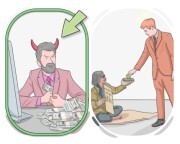
Ex: In ancient rituals, it was believed that some would immolate themselves to appease the gods. 
Close
Sign in
immoral
immoral
[Adjective]

acting in a way that goes against accepted moral standards or principles

Ex: Stealing from others is considered immoral in every society. 
Close
Sign in
to immortalize

to make someone or something so famous that people remember it for a long time
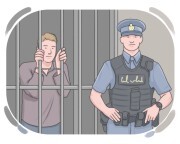
Ex: The playwright immortalized the struggles of the working class through a timeless drama that resonated with audiences worldwide. 
Close
Sign in
to immure
to immure
[Verb]

to take a person or thing to a confined space and trap them there

Ex: The kidnappers decided to immure the hostages in an abandoned warehouse. 
Close
Sign in
immutable
immutable
[Adjective]

unable to be changed or altered, remaining constant and unchanging over time

Ex: The laws of physics are considered immutable, governing the universe without exception. 
Close
Sign in
to despond

to feel extremely discouraged, disheartened, or in low spirits

Ex: He desponded for weeks after the business failure but eventually found the strength to start anew. 
Close
Sign in
despondent
despondent
[Adjective]

feeling hopeless, discouraged, or in low spirits, often due to a sense of failure or loss

Ex: The failure of his business left him feeling despondent and unsure about the future. 
Close
Sign in
to convulse

to make someone experience muscle contractions, especially by making them laugh

Ex: The comedian’s hilarious performance convulsed the audience with uncontrollable laughter. 
Close
Sign in
convulsion

a sudden shaking of the body as a result of an illness

Ex: His body was wracked by violent convulsions, leaving him unconscious and weak. 
Close
Sign in
convulsive
convulsive
[Adjective]

marked by sudden, involuntary, and jerky muscular contractions or spasms

Ex: She suffered from convulsive seizures that required medication. 
Close
Sign in
LanGeek
Download LanGeek app