pattern

Cambridge IELTS 17 - Academic - Test 3 - Reading - Passage 2 (2)

Here you can find the vocabulary from Test 3 - Reading - Passage 2 (2) in the Cambridge IELTS 17 - Academic coursebook, to help you prepare for your IELTS exam.

Review

Flashcards

Forms

Spelling

Quiz
Start learning
Cambridge IELTS 17 - Academic
immensely
immensely
[Adverb]

to a very great degree

Ex: The support from the community was immensely gratifying for the organizers. 
Close
Sign in
yield
yield
[noun]

the total amount of something that is produced, as in agriculture or an industry

Ex: The annual yield of the wheat fields surpassed expectations, resulting in a plentiful harvest. 
Close
Sign in
predominantly

in a manner that consists mostly of a specific kind, quality, etc.
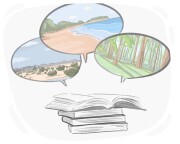
Ex: The region is predominantly agricultural, with vast expanses of farmland. 
Close
Sign in
ecological
ecological
[Adjective]

related to the connection between animals, plants, and humans and their environment
Ex: Ecological conservation efforts aim to protect biodiversity and preserve natural habitats. 
Close
Sign in
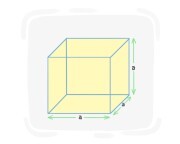
volume
volume
[noun]

the amount of space that a substance or object takes or the amount of space inside an object

Ex: The volume of water in the glass was 250 milliliters. 
Close
Sign in
carbon emission

the release of carbon dioxide into the atmosphere, primarily from burning fossil fuels, industrial processes, and etc.
Ex: Carbon emissions from factories contribute significantly to global warming. 
Close
Sign in
crop
crop
[noun]

a plant that is grown for food over large areas of land

Ex: The farmers planted a new crop of wheat this season. 
Close
Sign in
to sequester

to isolate a substance, typically a metal ion, within a compound to prevent it from reacting with other substances

Ex: Chelating agents can sequester iron ions in the bloodstream, reducing their reactivity and toxicity. 
Close
Sign in
alternative

any of the available possibilities that one can choose from

Ex: We need to find an alternative if this plan doesn't work. 
Close
Sign in
virgin forest

forest or woodland having a mature or overly mature ecosystem more or less uninfluenced by human activity
Close
Sign in
out of hand
out of hand
[phrase]

impossible or very hard to control

Ex: The crowd got out of hand during the concert and the police had to intervene. 
Close
Sign in
to regulate

to control or adjust something in a way that agrees with rules and regulations

Ex: The government agency works to regulate environmental policies to protect natural resources. 
Close
Sign in
sustainable
sustainable
[Adjective]

using natural resources in a way that causes no harm to the environment
Ex: The farm practices sustainable agriculture. 
Close
Sign in
to consist

to be constructed from or made up of certain things or people
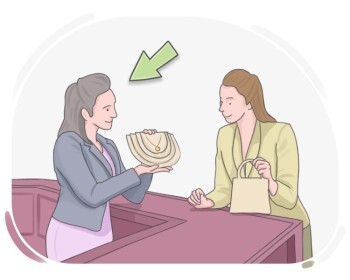
Ex: The salad consists of lettuce, tomatoes, cucumbers, and dressing. 
Close
Sign in
retailer
retailer
[noun]

a store, person, or business that sells goods to the public for their own use, not for resale

Ex: The retailer sells a variety of products, including clothing, electronics, and household goods. 
Close
Sign in
party
party
[noun]

a group of people who are gathered together for a common purpose

Ex: The company hosted a party to celebrate the team's success. 
Close
Sign in
to meet
to meet
[Verb]

to successfully accomplish or fulfill a task, goal, or requirement as expected or necessary
Ex: She worked hard to meet her sales target for the month. 
Close
Sign in
to insist on

to demand something firmly and persistently

Ex: The customer insisted on a replacement for the damaged product. 
Close
Sign in
transparency

the practice of openly sharing information, sources, and processes to maintain trust, credibility, and accountability with the audience

Close
Sign in
assessment

the act of judging or evaluating someone or something carefully based on specific standards or principles

Ex: The teacher conducted an assessment of her students' understanding through a series of quizzes and tests. 
Close
Sign in
stock
stock
[noun]

a supply of something available for future use

Close
Sign in
criteria
criteria
[noun]

the guidelines or principles that help decide whether something meets a specific expectation or requirement

Ex: The criteria for passing the exam include answering at least 70% of the questions correctly. 
Close
Sign in
to satisfy

to meet or fulfill the requirements, conditions, or expectations of something or someone
Ex: The company’s actions satisfied the regulatory requirements for safety. 
Close
Sign in
certified
certified
[Adjective]

endorsed authoritatively as having met certain requirements

Close
Sign in
equivalent
equivalent
[Adjective]

having the same meaning, quality, value, etc. as a different person or thing

Ex: Completing an online or correspondence course would serve as an equivalent requirement to the traditional classroom version. 
Close
Sign in
sterile
sterile
[Adjective]

(of land) unable to support the growth of plants
Ex: The sterile soil in the desert was unable to support any vegetation. 
Close
Sign in
to hint
to hint
[Verb]

to indirectly suggest something

Ex: The teacher hinted at the upcoming exam by discussing the importance of consistent studying. 
Close
Sign in
fashion
fashion
[noun]

a particular way in which something is done or happens
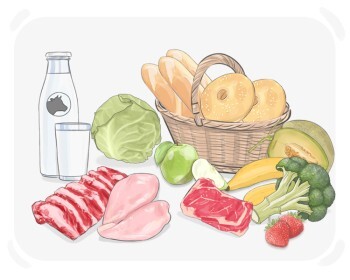
Ex: The committee handled the complaint in a professional fashion. 
Close
Sign in
nutrient
nutrient
[noun]

a substance such as a vitamin, protein, fat, etc. that is essential for good health and growth
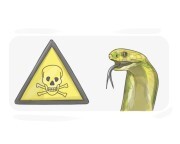
Ex: Fiber is a nutrient that aids in digestion. 
Close
Sign in
potentially
potentially
[Adverb]

in a manner expressing the capability or likelihood of something happening or developing in the future
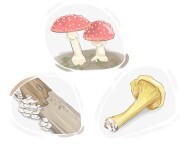
Ex: The new investment could potentially bring significant returns. 
Close
Sign in
fungi
fungi
[noun]

a diverse group of organisms that include mushrooms, yeasts, and molds, characterized by their ability to decompose organic matter

Ex: Fungi, such as mushrooms and truffles, add flavor to many dishes. 
Close
Sign in
bacteria
bacteria
[noun]

(microbiology) single-celled microorganisms that can be found in various environments, including soil, water, and living organisms, and can be beneficial, harmful, or neutral
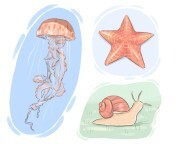
Ex: Bacteria play a crucial role in the decomposition of organic matter in the ecosystem. 
Close
Sign in
invertebrate

species that do not possess or cannot develop a spinal column, such as an arthropod, mollusk, etc.
Ex: Invertebrates like butterflies and ants are vital to garden ecosystems. 
Close
Sign in
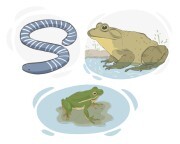
amphibian
amphibian
[noun]

any cold-blooded animal with the ability to live both on land and in water, such as toads, frogs, etc.
Ex: The frog is a well-known amphibian that lays its eggs in water and undergoes metamorphosis from tadpole to adult. 
Close
Sign in
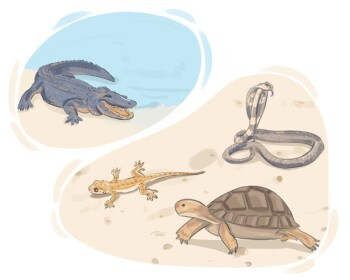
reptile
reptile
[noun]

a class of animals to which crocodiles, lizards, etc. belong, characterized by having cold blood and scaly skin
Ex: A reptile like a snake can survive in a wide range of environments. 
Close
Sign in
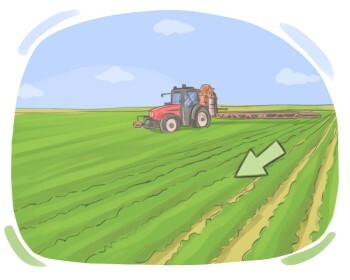
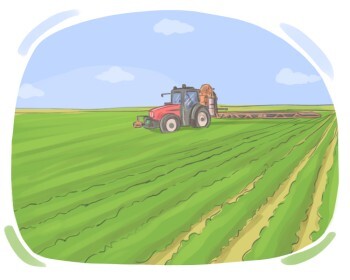
cultivation

the practice of preparing and using land for growing crops, especially on a large scale

Ex: The farmer practiced cultivation of wheat on his vast fields. 
Close
Sign in
ecosystem
ecosystem
[noun]

a community of living organisms together with their physical environment, interacting as a system
Ex: Coral reefs are diverse ecosystems that support a wide range of marine life. 
Close
Sign in
to illustrate

to explain or show the meaning of something using examples, pictures, etc.
Ex: The teacher illustrated the concept with a simple diagram on the board. 
Close
Sign in
expansion
expansion
[noun]

an increase in the amount, size, importance, or degree of something

Ex: The expansion of the business into international markets was successful. 
Close
Sign in
justification

a reason, explanation, or excuse that demonstrates something to be right, reasonable, or necessary
Ex: He provided a detailed justification for the changes he proposed to the project plan. 
Close
Sign in
steadily
steadily
[Adverb]

in a gradual and even way

Ex: Her skills in photography improved steadily over the course of the year. 
Close
Sign in
certification

the process of officially validating or confirming the authenticity, quality, or standards of something or someone

Ex: The certification of diamonds involves verifying their clarity, cut, and carat weight. 
Close
Sign in
regulation

a rule made by the government, an authority, etc. to control or govern something within a particular area

Ex: The new regulations require all vehicles to undergo emissions testing annually. 
Close
Sign in
to govern
to govern
[Verb]

to regulate or control a person, course of action or event or the way something happens

Ex: The new laws will govern how companies can handle customer data to ensure privacy and security. 
Close
Sign in
basis
basis
[noun]

a consistent method, system, or way of doing something

Ex: The staff works on a voluntary basis for charity events. 
Close
Sign in
epiphytic
epiphytic
[Adjective]

(of plants) growing on another plant without taking anything from it, usually just using it for support

Ex: Epiphytic plants like orchids often grow on tree branches. 
Close
Sign in
keystone species

a plant or animal that plays a very important role in keeping the balance of its environment, and if it disappears, many other living things can be affected

Ex: Sea otters are a keystone species because they help control sea urchin numbers. 
Close
Sign in
LanGeek
Download LanGeek app