
250 nejčastějších anglických frázových sloves - Top 226 - 250 Frázová Slovesa
Zde vám je poskytnuta část 10 seznamu nejčastějších frázových sloves v angličtině, jako jsou "oblékat se slavnostně", "předložit" a "spoléhat se na".
Revize
Kartičky
tvary
Pravopis
Kvíz
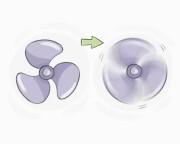
to make something operate, especially by accident

spustit, něco aktivovat zejména omylem
Náhodou spustila zavlažovací systém při práci na zahradě.
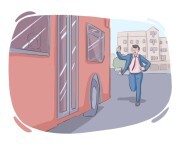
to go faster and reach someone or something that is ahead
dohnat, dohánět
Auto zrychlilo a snažilo se dohnat rychle jedoucí motocykl.
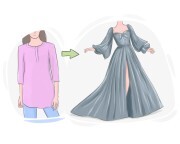
to wear formal clothes for a special occasion or event
obléct se slavnostně, vyparádit se
Na svatbě se od hostů očekávalo, že se obléknou do poloformálního oblečení.
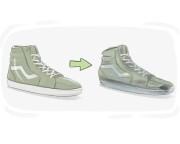
to cause something to lose its functionality or good condition over time or through extensive use
opotřebovat, zničit dlouhým používáním
Neustálé používání počítačové myši ji rychle opotřebovalo.

(of a concept, trend, or idea) to become popular
chytit se, stát se populárním
Jeho hudba se neuchytila až do let po jej vydání.
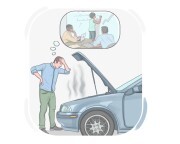
to happen, often unexpectedly
stát se, přihodit se
Jak tato situace vznikla?
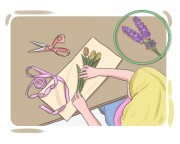
to intentionally exclude someone or something
záměrně vynechat, nezahrnout někoho nebo něco
Vynechám technické termíny, aby bylo vysvětlení jednodušší.
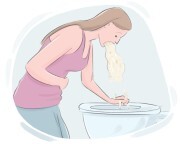
to expel the contents of the stomach through the mouth
zvracet, vyzvracet se
Špatný zápach v místnosti ji udělal nevolno, a musela zvracet.
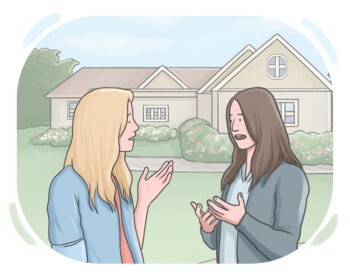
to tell someone about an idea, especially to know their opinion about it
konzultovat s, projednat s
Před dokončením jídelního lístku šéfkuchař představil nová jídla majiteli restaurace.

to go past someone or something
projít kolem, minout
Průvod prošel kolem radnice.
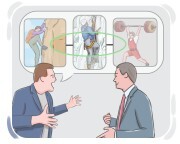
to express thoughts freely and confidently
ozvat se
Je zásadní se ozvat za to, čemu věříte.
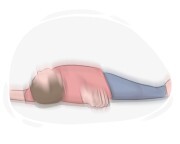
to lose consciousness
omdlít, ztratit vědomí
Cítila se závratě a málem omdlela během prezentace.

to distribute something among a group of individuals
rozdávat, rozdělit mezi skupinu
Místní vláda bude během zdravotní krize distribuovat veřejnosti zdarma masky.
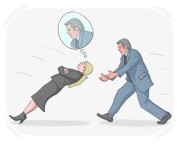
to put trust in something or someone
spoléhat na někoho nebo něco, věřit že se na někoho nebo něco lze spolehnout
Můžeme spoléhat na systém veřejné dopravy, že bude přesný a efektivní.
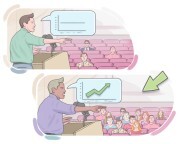
to be the reason for a specific incident or result
způsobit, vyvolat
Nový zákon přinesl pozitivní změny v komunitě.
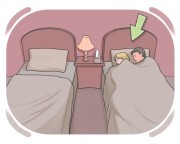
to have a brief sexual relationship with a person
mít s někým krátký nezávazný sexuální vztah
Váhala spát s ním, ale nakonec se rozhodla risknout.
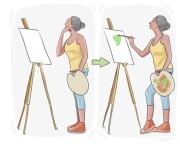
to cause something to begin, particularly initiating an event or process
zahájit, spustit událost nebo proces
Aby odstartovali projekt, uspořádali brainstormingovou sezení s celým týmem.

to spend time doing nothing or nothing productive
sedět a nedělat nic užitečného, trávit čas zahálkou
O víkendech se mi prostě líbí sedět a koukat na televizi.
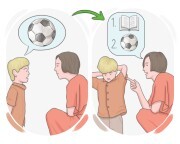
to have a higher priority or importance compared to someone or something else
mít přednost před, být důležitější než
Jako zodpovědný občan je důležité zajistit, aby blahobyt ostatních měl přednost před osobním ziskem.
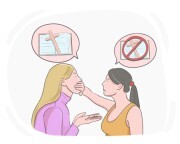
to oppose or resist someone or something
postavit se proti, odporovat
Byl ochoten jít proti všem překážkám a bojovat za své principy.

to be originated from something
pocházet z, odvozovat se z
Jeho teorie vycházejí z let rozsáhlého výzkumu.

to defend or support someone or something
zastat se, podpořit
Kapitán týmu se postavil za své spoluhráče, když čelili nespravedlivé kritice.
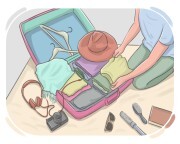
to put things into containers or bags in order to transport or store them
sbalit věci, zabalit věci k přepravě
Dárky pečlivě zabalili, aby se předešlo poškození.
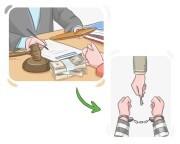
to pay money to the court to release someone from custody until their trial
propustit na kauci, zaplatit kauci za dočasné propuštění
Nečekané zatčení je donutilo zaplatit kauci za svého sourozence, čímž se rodinná večeře proměnila v záchrannou misi.
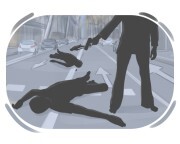
to kill or cause harm to a large number of people, often through violent means
násilně zabít nebo zranit velké množství lidí, hromadně pobít nebo zranit skupinu lidí
Hromadné střelby bohužel kosí oběti během několika minut.
| 250 nejčastějších anglických frázových sloves | |||
|---|---|---|---|
| Top 1 - 25 Frázová Slovesa | Top 26 - 50 Frázová Slovesa | Top 51 - 75 Frázová Slovesa | Top 76 - 100 Frázová Slovesa |
| Top 101 - 125 Frázová Slovesa | Top 126 - 150 Frázová Slovesa | Top 151 - 175 Frázová Slovesa | Top 176 - 200 Frázová Slovesa |
| Top 201 - 225 Frázová Slovesa | Top 226 - 250 Frázová Slovesa | ||
