
pattern

Čtenářská Gramotnost pro Zkoušku ACT - Názory

Naučte se slovní zásobu ACT pro vyjadřování názorů, úsudků, přesvědčení, stanovisek, interpretací a různých způsobů hodnocení myšlenek nebo situací.

Revize

Kartičky

tvary

Pravopis

Kvíz

Začněte se učit
Essential Vocabulary for ACT
standpoint
standpoint
[Podstatné jméno]

an opinion or decision that is formed based on one's belief or circumstances

stanovisko,  postoj

stanovisko, postoj

morale
morale
[Podstatné jméno]

one's personal level of confidence, enthusiasm, and emotional well-being, especially in the context of facing challenges or adversity

morálka

morálka

Ex: The unexpected victory lifted Jane's morale, filling her with a sense of accomplishment and renewed energy for future challenges. 

Neočekávané vítězství pozvedlo Janino morálku, naplnilo ji pocitem úspěchu a obnovenou energií pro budoucí výzvy.

objection
objection
[Podstatné jméno]

a reason, statement, or feeling expressing opposition, disagreement, or disapproval

námitka,  odpor

námitka, odpor

Ex: The proposal was approved despite strong objections from local residents. 
unanimity
unanimity
[Podstatné jméno]

a situation in which all those involved are in complete agreement on something

jednomyslnost, plná shoda

jednomyslnost, plná shoda

Ex: The team showed unanimity in their support for the new strategy. 

Tým projevil jednomyslnost v podpoře nové strategie.

discord
discord
[Podstatné jméno]

lack of agreement between people

nesvár, nesoulad

nesvár, nesoulad

Ex: The business partnership suffered from discord as the co-founders had conflicting visions for the company's future. 

Obchodní partnerství trpělo nesvorností, protože spoluzakladatelé měli protichůdné vize budoucnosti společnosti.

consensus
consensus
[Podstatné jméno]

general agreement among the members of a group

konsensus

konsensus

Ex: The general consensus was that the event should be postponed until spring. 
chastisement
chastisement
[Podstatné jméno]

the act of inflicting physical punishment as a means of discipline or correction

trest, náprava

trest, náprava

Ex: The harsh chastisement he received as a child left lasting emotional scars. 

Přísný trest, který dostal jako dítě, zanechal trvalé emocionální jizvy.

perspective
perspective
[Podstatné jméno]

a specific manner of considering something

úhel pohledu, perspektiva

úhel pohledu, perspektiva

Ex: From a historical perspective, the Renaissance marked a period of great cultural advancement. 
naysayer
naysayer
[Podstatné jméno]

a person who habitually expresses negative or pessimistic views, especially in opposition to new ideas or proposals

kritik, pesimista

kritik, pesimista

Ex: The naysayers' negative comments only fueled her determination to prove them wrong. 

Negativní komentáře odpůrců jen posílily její odhodlání dokázat, že se mýlí.

slant
slant
[Podstatné jméno]

a biased or subjective angle in presenting information, often reflecting personal or ideological viewpoints

sklon, orientace

sklon, orientace

Ex: The news outlet is known for its conservative slant. 

Tato zpravodajská agentura je známá svým konzervativním sklonem.

reception
reception
[Podstatné jméno]

the way in which someone or something is received or reacted to

přijetí, ohlas

přijetí, ohlas

Ex: His latest novel received a much colder reception than his previous one. 
contrarian
contrarian
[Podstatné jméno]

someone who acts against popular opinion, particularly in investment markets

kontrarián, disident

kontrarián, disident

discretion
discretion
[Podstatné jméno]

the freedom or authority to decide what should be done in a particular situation

volnost uvážení,  diskrece

volnost uvážení, diskrece

Ex: The committee has considerable discretion over how the funds are spent. 
preconception
preconception
[Podstatné jméno]

a pre-established opinion that is formed before obtaining proper knowledge or experience

předsudek, předpojatý názor

předsudek, předpojatý názor

viewpoint
viewpoint
[Podstatné jméno]

a certain way of thinking about a subject

úhel pohledu, pohled

úhel pohledu, pohled

Ex: From her viewpoint, the new policy would greatly benefit small businesses by providing much-needed tax relief. 
conviction
conviction
[Podstatné jméno]

a firmly held belief or opinion

přesvědčení,  víra

přesvědčení, víra

Ex: She refused to abandon her deeply held convictions. 
distaste
distaste
[Podstatné jméno]

a feeling of dislike toward something or someone

odpor, nechuť

odpor, nechuť

Ex: He looked at the messy room with obvious distaste, not wanting to clean it up. 

Podíval se na nepořádný pokoj s očividným odporem, nechtěl ho uklízet.
impression
impression
[Podstatné jméno]

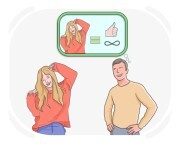
an opinion or feeling that one has about someone or something, particularly one formed unconsciously

dojem

dojem

Ex: Her cheerful demeanor gave me the impression that she was always happy. 
detractor
detractor
[Podstatné jméno]

a person who criticizes or belittles the value or importance of someone or something

kritik, pomlouvač

kritik, pomlouvač

Ex: Even the most successful companies have their detractors, who often highlight any missteps. 

I ty nejúspěšnější společnosti mají své kritiky, kteří často zdůrazňují každý přešlap.

dissenter
dissenter
[Podstatné jméno]

someone who disagrees with a common belief or an official decision

disident, odpůrce

disident, odpůrce

antagonistic
antagonistic
[Přídavné jméno]

showing that one actively dislikes or disagrees with something or someone

antagonistický, nepřátelský

antagonistický, nepřátelský

Ex: The customer left an antagonistic review, expressing their strong dissatisfaction with the product and the company. 

Zákazník zanechal antagonistickou recenzi, ve které vyjádřil své silné nespokojenosti s produktem a společností.

preferential
preferential
[Přídavné jméno]

showing or giving advantage, favor, or priority to someone or something over others

preferenční, privilegovaný

preferenční, privilegovaný

Ex: Preferential rates are available to members who book their stays in advance. 

Pro členy, kteří si předem rezervují pobyt, jsou k dispozici preferenční sazby.

unexceptionable
unexceptionable
[Přídavné jméno]

entirely satisfactory and acceptable, without any fault

neposkvrněný, bezchybný

neposkvrněný, bezchybný

Ex: The judge's ruling was based on unexceptionable logic and fairness. 

Rozsudek soudce byl založen na neposkvrněné logice a spravedlnosti.

impartial
impartial
[Přídavné jméno]

not favoring a particular party in a way that enables one to act or decide fairly

nestranný, neutrální

nestranný, neutrální

Ex: The organization’s impartial stance on political matters ensured that all opinions were respected. 

Nestranné stanovisko organizace k politickým otázkám zajistilo, že všechny názory byly respektovány.
unbiased
unbiased
[Přídavné jméno]

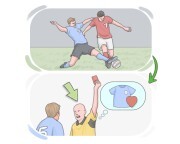
fair and not influenced by prejudice, favoritism, or personal opinions

nestranný,  nezaujatý

nestranný, nezaujatý

Ex: Judges must remain unbiased throughout the competition. 
averse
averse
[Přídavné jméno]

strongly opposed to something

neochotný, protichůdný

neochotný, protichůdný

Ex: I’m not averse to trying new activities, but I prefer something low-key. 

Nejsem proti vyzkoušení nových aktivit, ale dávám přednost něčemu klidnějšímu.

disfavor
disfavor
[Podstatné jméno]

a feeling of not liking or rejecting someone or something

nelibost, nesouhlas

nelibost, nesouhlas

Ex: Taking credit for others' work may lead to disfavor among team members. 

Přivlastňování si zásluh za práci ostatních může vést k nemilosti mezi členy týmu.
to opt
to opt
[sloveso]

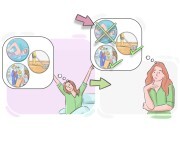
to choose one option or course of action from among alternatives

optovat, zvolit

optovat, zvolit

Ex: After comparing the two plans, we opted for the one with better coverage. 
to despise
to despise
[sloveso]

to hate and have no respect for something or someone

opovrhovat, nenávidět

opovrhovat, nenávidět

Ex: We despise cruelty to animals and support organizations that work to protect them. 

Opovrhujeme krutostí vůči zvířatům a podporujeme organizace, které pracují na jejich ochraně.

to fault
to fault
[sloveso]

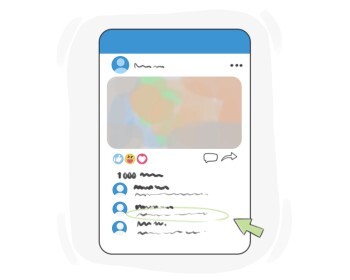
to put blame on someone or something for a mistake or problem

obviňovat, vinit
obviňovat, vinit

Ex: She tends to fault others without considering her own mistakes. 
to remark
to remark
[sloveso]

to express one's opinion through a statement

poznamenat, komentovat

poznamenat, komentovat

Ex: After tasting the dish, she couldn't help but remark on the chef's exceptional culinary skills. 
to contend
to contend
[sloveso]

to argue the truth of something

tvrdit, obhajovat

tvrdit, obhajovat

Ex: The politician contended that economic reforms would lead to greater prosperity for all citizens. 

Politik tvrdil, že ekonomické reformy povedou k větší prosperitě pro všechny občany.
to critique
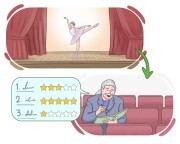
to critique
[sloveso]

to carefully examine something in a detailed manner

kritizovat,  analyzovat

kritizovat, analyzovat

Ex: As part of the workshop, participants were encouraged to critique their peers' presentations, offering constructive feedback for refinement. 

V rámci workshopu byli účastníci povzbuzováni, aby kritizovali prezentace svých kolegů, a poskytovali konstruktivní zpětnou vazbu pro zlepšení.

to acclaim
to acclaim
[sloveso]

to praise someone or something enthusiastically and often publicly

oslavovat, chválit

oslavovat, chválit

Ex: The scientist was acclaimed for her groundbreaking research. 

Vědkyně byla oceněna za svůj převratný výzkum.

to laud
to laud
[sloveso]

to praise or express admiration for someone or something

chválit, velebit

chválit, velebit

Ex: The community lauded the firefighters for their bravery during the wildfire. 

Komunita ocenila hasiče za jejich statečnost během lesního požáru.

to exalt
to exalt
[sloveso]

to highly praise or honor someone or something

velebit, oslavovat

velebit, oslavovat

Ex: The artist has been exalting the beauty of nature through a series of captivating paintings. 

Umělec oslavuje krásu přírody prostřednictvím série okouzlujících maleb.

to repudiate
to repudiate
[sloveso]

to dismiss or reject something as false

odmítnout, popřít

odmítnout, popřít

Ex: The government repudiated the claims made by the opposition party, asserting that they were politically motivated. 

Vláda odmítla tvrzení opoziční strany a tvrdila, že jsou politicky motivovaná.
to concur
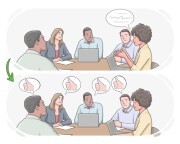
to concur
[sloveso]

to express agreement with a particular opinion, statement, action, etc.

souhlasit, shodovat se

souhlasit, shodovat se

Ex: As the negotiations progressed, the two parties found common ground and began to concur on key terms for the partnership. 

Jak jednání postupovalo, obě strany našly společnou řeč a začaly souhlasit s klíčovými podmínkami partnerství.

to conclude
to conclude
[sloveso]

to draw a logical inference or outcome based on established premises or evidence

uzavřít,  vyvodit

uzavřít, vyvodit

Ex: From the patterns observed in the data, researchers concluded that more training would enhance employee performance. 
to acquiesce
to acquiesce
[sloveso]

to reluctantly accept something without protest

souhlasit neochotně, podrobit se

souhlasit neochotně, podrobit se

Ex: The board of directors reluctantly acquiesced to the CEO's decision, even though some members disagreed. 

Představenstvo neochotně souhlasilo s rozhodnutím generálního ředitele, ačkoli někteří členové nesouhlasili.

to idolize
to idolize
[sloveso]

to admire someone excessively, often regarding it as an ideal or perfect figure

uctívat, zbožňovat

uctívat, zbožňovat

Ex: She idolizes her favorite pop star and has posters of him all over her bedroom walls. 

Ona uctívá svou oblíbenou popovou hvězdu a má jeho plakáty na všech stěnách své ložnice.

LanGeek
Stáhnout aplikaci LanGeek
