pattern

ACT Exam Literacy - Opinions

Here you will learn some English words related to opinions, such as "exalt", "unbiased", "consensus", etc. that will help you ace your ACTs.

Review

Flashcards

Forms

Spelling

Quiz

Start learning
Essential Vocabulary for ACT
standpoint

an opinion or decision that is formed based on one's belief or circumstances

Close
Sign in
morale
morale
[noun]

one's personal level of confidence, enthusiasm, and emotional well-being, especially in the context of facing challenges or adversity

Ex: Despite facing setbacks, Sarah's high morale propelled her to persist in her endeavors with determination and optimism. 
Close
Sign in
objection
objection
[noun]

the act of expressing disapproval or opposition to something

Ex: He raised an objection during the meeting when he disagreed with the proposed budget cuts. 
Close
Sign in
unanimity
unanimity
[noun]

a situation in which all those involved are in complete agreement on something

Ex: The unanimity of the jury surprised many, given the complexity of the case. 
Close
Sign in
discord
discord
[noun]

lack of agreement between people

Ex: The business partnership suffered from discord as the co-founders had conflicting visions for the company's future. 
Close
Sign in
consensus
consensus
[noun]

an agreement reached by all members of a group

Ex: The team reached a consensus on the new project timeline after extensive discussions. 
Close
Sign in
chastisement

the act of inflicting physical punishment as a means of discipline or correction

Ex: The harsh chastisement he received as a child left lasting emotional scars. 
Close
Sign in
perspective

a specific manner of considering something

Ex: From a historical perspective, the Renaissance marked a period of great cultural advancement. 
Close
Sign in
naysayer
naysayer
[noun]

a person who habitually expresses negative or pessimistic views, especially in opposition to new ideas or proposals

Ex: Despite the naysayers, she pursued her dream of becoming an entrepreneur and eventually succeeded. 
Close
Sign in
slant
slant
[noun]

a biased or subjective angle in presenting information, often reflecting personal or ideological viewpoints

Ex: The article had a clear political slant. 
Close
Sign in
reception
reception
[noun]

the way in which something is perceived or received by others, often referring to the response or reaction to an idea, message, or product

Ex: The movie had a mixed reception, with some critics praising it and others disappointed. 
Close
Sign in
contrarian

someone who acts against popular opinion, particularly in investment markets

Close
Sign in
discretion

the power or freedom of making decisions in a particular situation

Ex: The judge used her discretion to grant the defendant a more lenient sentence. 
Close
Sign in
preconception

a pre-established opinion that is formed before obtaining proper knowledge or experience

Close
Sign in
viewpoint
viewpoint
[noun]

a certain way of thinking about a subject

Ex: From her viewpoint, the new policy would greatly benefit small businesses by providing much-needed tax relief. 
Close
Sign in
conviction

a belief or opinion that is very strong

Ex: Despite criticism, she held onto her conviction that renewable energy is the key to a sustainable future. 
Close
Sign in
distaste
distaste
[noun]

a feeling of dislike toward something or someone
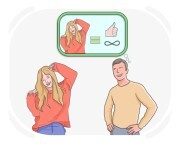
Ex: His distaste for spicy food was evident in his grimace after tasting the dish. 
Close
Sign in
impression

an opinion or feeling that one has about someone or something, particularly one formed unconsciously

Ex: Her cheerful demeanor gave me the impression that she was always happy. 
Close
Sign in
detractor
detractor
[noun]

a person who criticizes or belittles the value or importance of someone or something

Ex: Despite the many detractors, the artist's work has been celebrated for its originality. 
Close
Sign in
dissenter
dissenter
[noun]

someone who disagrees with a common belief or an official decision

Close
Sign in
antagonistic
antagonistic
[Adjective]

showing that one actively dislikes or disagrees with something or someone

Ex: The customer left an antagonistic review, expressing their strong dissatisfaction with the product and the company. 
Close
Sign in
preferential
preferential
[Adjective]

showing or giving advantage, favor, or priority to someone or something over others

Ex: Employees with longer service records received preferential treatment during the promotion process. 
Close
Sign in
unexceptionable
unexceptionable
[Adjective]

entirely satisfactory and acceptable, without any fault

Ex: The candidate's unexceptionable qualifications made her the ideal choice for the job. 
Close
Sign in
impartial
impartial
[Adjective]

not favoring a particular party in a way that enables one to act or decide fairly
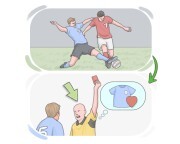
Ex: The mediator remained impartial throughout the negotiations to ensure a fair outcome. 
Close
Sign in
unbiased
unbiased
[Adjective]

not having favoritism or prejudice toward any particular side or viewpoint

Ex: The journalist presented the news story in an unbiased manner, reporting all sides of the story objectively. 
Close
Sign in
averse
averse
[Adjective]

strongly opposed to something

Ex: He is averse to eating spicy foods and prefers mild dishes. 
Close
Sign in
disfavor
disfavor
[noun]

a feeling of not liking or rejecting someone or something
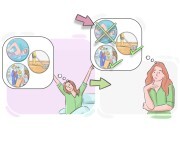
Ex: The new policy received widespread disfavor from employees. 
Close
Sign in
to opt
to opt
[Verb]

to choose something over something else

Ex: Given the tight schedule, she decided to opt for the quicker route to the airport. 
Close
Sign in
to despise

to hate and have no respect for something or someone
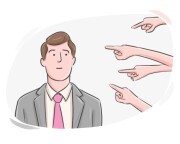
Ex: She despises bullies and stands up for those who are being mistreated. 
Close
Sign in
to fault
to fault
[Verb]

to put blame on someone or something for a mistake or problem
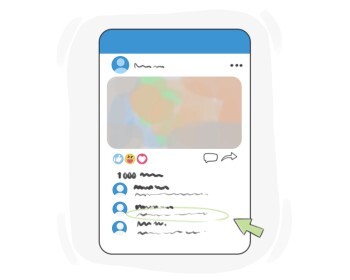
Ex: She tends to fault others without considering her own mistakes. 
Close
Sign in
to remark
to remark
[Verb]

to express one's opinion through a statement

Ex: After tasting the dish, she couldn't help but remark on the chef's exceptional culinary skills. 
Close
Sign in
to contend

to argue the truth of something

Ex: The lawyer contended that her client was innocent based on new evidence presented in court. 
Close
Sign in
to critique

to carefully examine something in a detailed manner

Ex: As part of the workshop, participants were encouraged to critique their peers' presentations, offering constructive feedback for refinement. 
Close
Sign in
to acclaim

to praise someone or something enthusiastically and often publicly

Ex: Critics acclaim her novel as a masterpiece. 
Close
Sign in
to laud
to laud
[Verb]

to praise or express admiration for someone or something

Ex: Teachers should laud students for their achievements to boost their confidence. 
Close
Sign in
to exalt
to exalt
[Verb]

to highly praise or honor someone or something

Ex: The teacher consistently exalted the achievements of her students. 
Close
Sign in
to repudiate

to dismiss or reject something as false
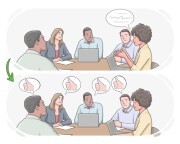
Ex: The company repudiated the claims that their products were unsafe, presenting evidence to the contrary. 
Close
Sign in
to concur
to concur
[Verb]

to express agreement with a particular opinion, statement, action, etc.

Ex: It's reassuring when experts from various fields concur on such critical matters, providing a unified recommendation. 
Close
Sign in
to conclude

to draw a logical inference or outcome based on established premises or evidence

Ex: From the patterns observed in the data, researchers concluded that more training would enhance employee performance. 
Close
Sign in
to acquiesce

to reluctantly accept something without protest

Ex: The student, unable to convince the teacher otherwise, acquiesced and accepted the lower grade on the assignment. 
Close
Sign in
to idolize

to admire someone excessively, often regarding it as an ideal or perfect figure

Ex: She idolizes her favorite pop star and has posters of him all over her bedroom walls. 
Close
Sign in
LanGeek
Download LanGeek app