pattern

Verbos de Acción Verbal - Verbos para Implicar y Mencionar

Aquí aprenderás algunos verbos en inglés que se refieren a implicar y mencionar, como "insinuar", "señalar" y "referirse a".

Revisión

Tarjetas de memoria

formas

Ortografía

Cuestionario

Empezar a aprender
Categorized English Verbs of Verbal Action
to suggest
to suggest
[Verbo]

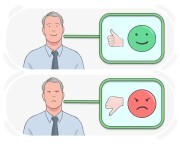
to convey something without explicitly stating it

insinuar, dar a entender
insinuar, dar a entender

Ex: The professor's choice of words suggested a deeper meaning beyond the surface level of the text. 

La elección de palabras del profesor sugirió un significado más profundo más allá del nivel superficial del texto.

to imply
to imply
[Verbo]

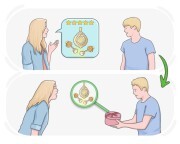
to suggest without explicitly stating

insinuar
insinuar

Ex: The politician's vague statement implied support for the controversial policy. 

La declaración vaga del político implicaba apoyo a la política controvertida.

to hint
to hint
[Verbo]

to indirectly suggest something

insinuar, dar a entender

insinuar, dar a entender

Ex: The author skillfully hinted at the plot twist throughout the novel, keeping readers engaged until the surprising conclusion. 

El autor hábilmente insinuó el giro argumental a lo largo de la novela, manteniendo a los lectores comprometidos hasta la sorprendente conclusión.

to insinuate

to suggest something in an indirect manner

insinuar

insinuar

Ex: Instead of openly expressing dissatisfaction, he insinuated his disappointment by making sarcastic comments about the team's performance. 

En lugar de expresar abiertamente su descontento, insinuó su decepción haciendo comentarios sarcásticos sobre el rendimiento del equipo.

to connote
to connote
[Verbo]

to implicitly convey something such as an idea, feeling, etc. in addition to something's basic meaning

connotar

connotar

Ex: His choice of formal language in the email connotes professionalism and seriousness. 

Su elección de lenguaje formal en el correo electrónico connota profesionalismo y seriedad.

to intimate

to indirectly state something

sugerir

sugerir

Ex: The speaker intimated his intentions for the future without explicitly stating them. 

El orador insinuó sus intenciones para el futuro sin declararlas explícitamente.

to signal
to signal
[Verbo]

to give someone a message, instruction, etc. by making a sound or movement

hacer señas a, hacer una seña a

hacer señas a, hacer una seña a

Ex: The traffic officer signaled drivers to stop or proceed using hand signals. 

El agente de tráfico señaló a los conductores que se detuvieran o procedieran usando señales manuales.

to implicate

to convey something indirectly

implicar, insinuar

implicar, insinuar

Ex: His silence during the meeting implicated his disagreement with the proposed changes. 

Su silencio durante la reunión implicaba su desacuerdo con los cambios propuestos.

to get at
to get at
[Verbo]

to reach an understanding of something through questioning, investigation, or analysis

entender, captar

entender, captar

Ex: To solve the puzzle, you need to get at the hidden clues. 

Para resolver el rompecabezas, necesitas entender las pistas ocultas.
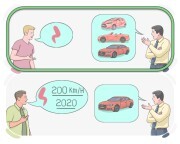
to allude to

to mention something without directly talking about it in detail

aludir a

aludir a

Ex: In his speech, the professor alluded to a famous quote to emphasize the importance of education. 

En su discurso, el profesor aludió a una cita famosa para enfatizar la importancia de la educación.

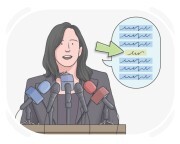
to mention
to mention
[Verbo]

to say something about someone or something, without giving much detail

mencionar
mencionar

Ex: Can you mention where you found that interesting article? 

¿Puedes mencionar dónde encontraste ese artículo interesante?

to touch on

to briefly mention a subject in written or spoken discussion

mencionar

mencionar

Ex: The news report touched on the recent developments in technology. 

El informe de noticias mencionó los recientes avances en tecnología.
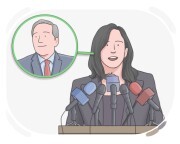
to refer to

to mention or discuss someone or something

referirse a, hacer referencia a

referirse a, hacer referencia a

Ex: In the book, the author frequently refers to the protagonist's inner struggles. 

En el libro, el autor se refiere frecuentemente a las luchas internas del protagonista.
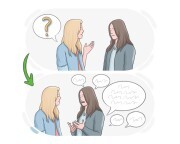
to bring up

to mention a particular subject

sacar el tema

sacar el tema

Ex: Try not to bring past grievances up during negotiations. 

Intenta no mencionar agravios pasados durante las negociaciones.
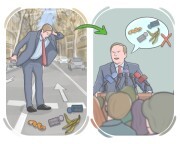
to broach
to broach
[Verbo]

to introduce a subject for discussion, especially a sensitive or challenging matter

mencionar

mencionar

Ex: The teacher skillfully broached the subject of diversity to encourage open dialogue in the classroom. 

El profesor hábilmente abordó el tema de la diversidad para fomentar un diálogo abierto en el aula.
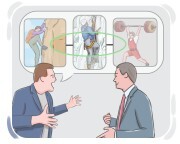
to moot
to moot
[Verbo]

to bring up a topic or question for discussion

proponer, sugerir

proponer, sugerir

Ex: The committee mooted the possibility of introducing new policies to address environmental concerns in the company. 

El comité planteó la posibilidad de introducir nuevas políticas para abordar las preocupaciones ambientales en la empresa.
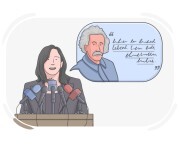
to quote
to quote
[Verbo]

to use a specific statement, source, etc. as evidence or an example

citar, mencionar
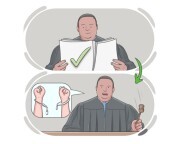
citar, mencionar

Ex: The student quoted a historical document to support his argument about the cultural significance of a particular event. 

El estudiante citó un documento histórico para respaldar su argumento sobre el significado cultural de un evento en particular.

to cite
to cite
[Verbo]

to refer to something as an example or proof

citar

citar

Ex: The author cited literary works to demonstrate the evolution of the genre. 

El autor citó obras literarias para demostrar la evolución del género.

to posit
to posit
[Verbo]

to propose or assume something as true or factual, serving as the foundation for further reasoning or argumentation

postular, plantear

postular, plantear

Ex: The physicist posited the existence of parallel universes to explain certain phenomena observed in quantum mechanics. 

El físico postuló la existencia de universos paralelos para explicar ciertos fenómenos observados en la mecánica cuántica.
to advance
to advance
[Verbo]

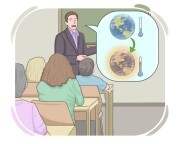
to propose an idea or theory for discussion

presentar

presentar

Ex: In the academic conference, the researcher advanced a groundbreaking theory that challenged existing notions in the field. 

En la conferencia académica, el investigador avanzó una teoría innovadora que desafiaba las nociones existentes en el campo.

LanGeek
Descargar la aplicación LanGeek