
Czasowniki Akcji Werbalnej - Czasowniki do Implikowania i Wspominania
Tutaj nauczysz się niektórych angielskich czasowników odnoszących się do sugerowania i wspominania, takich jak "napomykać", "sygnalizować" i "odnosić się do".
Przegląd
Fiszki
formy
Pisownia
Test


to convey something without explicitly stating it

sugerować, dawać do zrozumienia
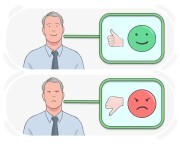
to suggest without explicitly stating
sugerować, implikować
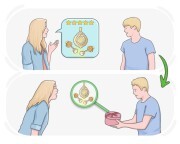
to suggest or communicate something indirectly rather than state it clearly
sugerować, dawać do zrozumienia
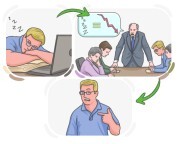
to suggest something in an indirect manner
insynuować, sugerować
Felietonista plotkarski zasugerował romantyczny związek między dwoma aktorami, wywołując plotki bez konkretnych dowodów.

to implicitly convey something such as an idea, feeling, etc. in addition to something's basic meaning
konotować, sugerować
Noszenie białej sukienki na weselu tradycyjnie oznacza czystość i niewinność.
to communicate or suggest something indirectly
sugerować, dawać do zrozumienia

to give someone a message, instruction, etc. by making a sound or movement
sygnalizować, dawać znak
to convey something indirectly
implikować, sugerować
Szczególna gra aktora implikowała niewypowiedziany podtekst w motywacjach postaci wykraczający poza scenariusz.

to reach an understanding of something through questioning, investigation, or analysis
zrozumieć, pojąć
Aby rozwiązać zagadkę, musisz zrozumieć ukryte wskazówki.
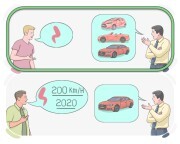
to mention something without directly talking about it in detail
nawiązywać do, wspominać mimochodem
Powieść subtelnie nawiązała do troubled przeszłości protagonisty, nie wdając się w szczegóły konkretnych incydentów.

to say something about someone or something, without giving much detail
wspomnieć, wymienić
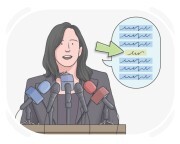
to briefly mention a subject in written or spoken discussion
krótko wspomnieć o temacie, poruszyć punkt bez szczegółowego wyjaśnienia
Reportaż poruszył ostatnie osiągnięcia w technologii.
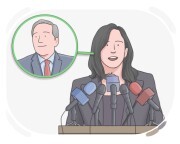
to mention or discuss someone or something
odnosić się do, wspominać
Nie chciała bezpośrednio odnosić się do drażliwego tematu, więc starannie dobierała słowa.

to mention a particular subject
wspomnieć, poruszyć
Ona zawsze porusza temat swojego rodzinnego miasta w rozmowach.
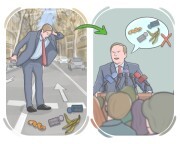
to introduce a subject for discussion, especially a sensitive or challenging matter
poruszać, zabierać głos
Podczas rodzinnej kolacji ostrożnie poruszył pomysł zorganizowania spotkania na nadchodzące lato.

to bring up a topic or question for discussion
wysuwać, proponować
Profesor zachęcał studentów do przedstawiania alternatywnych rozwiązań problemu, wspierając kreatywne myślenie.
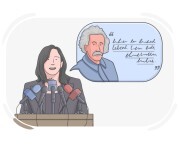
to use a specific statement, source, etc. as evidence or an example
cytować, wspominać
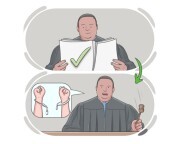
to mention something as an example, reason, or evidence in support of a statement or argument
cytować, powoływać się
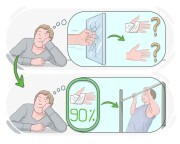
to propose or assume something as true or factual, serving as the foundation for further reasoning or argumentation
postulować, zakładać
Fizyk założył istnienie równoległych wszechświatów, aby wyjaśnić pewne zjawiska obserwowane w mechanice kwantowej.

to propose an idea or theory for discussion
wysuwać, proponować
